
Blooming
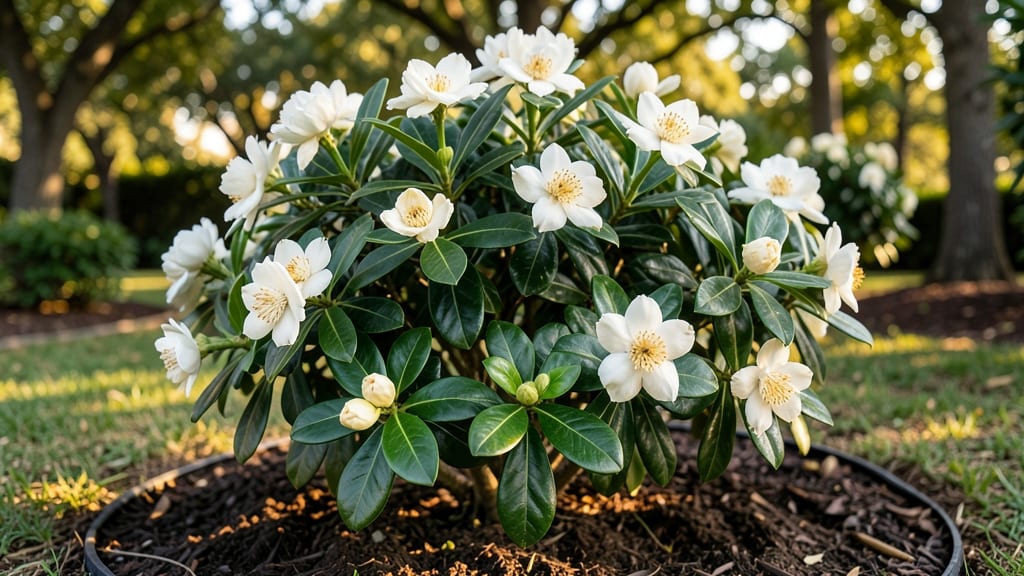
Gardenia blooms in Zone 9 typically arrive between late winter and early spring, with the sweetest fragrance peaking around February or March—though coastal areas like San Diego may see earlier blooms.
If you’ve ever caught the intoxicating scent of gardenias drifting through your Zone 9 garden, you know their blooms are a seasonal highlight—but pinpointing exactly when they’ll peak can be tricky.
The timing depends on your microclimate: inland areas like Phoenix often bloom later, while humid coastal spots may flower as early as January. Pruning in late winter and acidic soil (pH 5.0-6.5) can also shift the schedule.
Below, I’ll break down the exact months for your region, plus 5 care tips to extend your gardenia’s fragrant season—because nothing beats a shrub heavy with 🌸 blooms when the air is still cool.
Gardenia bloom timeline in Zone 9: month-by-month breakdown
Gardenias in Zone 9 are winter bloomers, but their exact timeline varies by region—whether you're in humid Florida, coastal Southern California, or dry Texas. Unlike tropical climates, Zone 9’s cooler winters trigger blooming, while summer heat forces dormancy.
Understanding these patterns helps you time pruning, fertilizing, and watering for longer fragrance seasons.
Most gardenias in Zone 9 follow a December–March bloom cycle, but early varieties like 'Kleim’s Hardy' may start as early as November, while late bloomers like 'Radicans' can extend into April. Coastal areas bloom 2–3 weeks earlier than inland zones due to milder temperatures.
For example, San Diego gardenias often peak in January, while Austin plants may not hit their prime until February.
Here’s your month-by-month breakdown, tailored to Zone 9’s microclimates:
In Florida, gardenias often bloom earlier (November–February) due to warmer winters, while Southern California plants peak in January–February thanks to cooler coastal breezes. Texas gardenias, especially in drier inland areas, may delay blooming until February–March unless given extra care during winter dry spells.
To extend your gardenia’s bloom season, prune lightly in late summer (August–September) to encourage new growth. Avoid heavy pruning, as it can reduce next year’s flowers. Also, mulch heavily in winter to protect roots from temperature swings, which can stress plants and delay blooming.
For container gardenias, move pots to shadier spots in summer to prevent leaf scorch.
Watch for bud drop—a common issue in Zone 9 when buds form but fail to open. This often happens due to sudden heat spikes or low humidity. To prevent it, mist leaves lightly during dry winter months and avoid hot afternoon sun.
If you’re in desert climates like Phoenix, consider drip irrigation to keep roots consistently moist without wetting foliage.
Pro tip: Deadhead spent blooms every 2–3 days during peak season to encourage longer flowering. Use sterilized pruners to avoid spreading disease, and compost the petals—they’re high in potassium, perfect for feeding your gardenias next season.
For extra fragrance, plant gardenias near porches or windows where you’ll enjoy their scent most.
If your gardenias aren’t blooming on schedule, check their soil pH. Gardenias thrive in acidic soil (5.0–6.5). Test your soil and amend with peat moss or sulfur if needed. Over-fertilizing with high nitrogen can also delay blooms—stick to a balanced 10-10-10 fertilizer in winter only.
🌸
5 Factors that shift gardenia blooming times in Zone 9
In Zone 9, your gardenias typically bloom between December and March, but these timelines can shift dramatically based on care habits. The right conditions can extend your fragrance season by months—while poor practices might delay blooms until late spring.
Understanding these five key factors will help you control when your gardenias shine.
First, sunlight exposure plays a crucial role. Gardenias need 4-6 hours of morning sun but will scorch in harsh afternoon rays. Coastal areas like San Diego often see earlier blooms (November-December) because of milder temperatures, while inland cities like Phoenix may delay blooms until February due to heat stress.
🌸
-
1. Sunlight Exposure
4-6 hrs morning sun → Earlier blooms (Nov-Dec). Afternoon shade prevents leaf scorch. -
2. Watering Habits
Deep weekly soaks → Promotes buds. Overwatering in summer delays blooms until cooler months. -
3. Soil pH
pH 5.0-6.5 → Optimal blooming. Test soil annually; amend with sulfur if too alkaline. -
4. Pruning Cycles
Light pruning after blooms → Encourages new growth. Heavy pruning in summer can delay next year’s flowers. -
5. Temperature Fluctuations
Cooler winters (50-60°F) → Longer bloom season. Heatwaves above 90°F can halt bud formation.
Your watering habits directly impact bloom timing. Gardenias need consistent moisture—deep watering once a week—but avoid soggy soil, especially in summer. Overwatering during heatwaves can stress plants, delaying blooms until temperatures drop. In contrast, drought-tolerant varieties like 'Radicans' may bloom later but produce fewer flowers.
Soil pH levels are another game-changer. Gardenias thrive in acidic soil (pH 5.0-6.5). If your soil tests higher, amend it with sulfur or peat moss—this adjustment alone can trigger earlier and more abundant blooms.
I once had a gardenia that refused to bloom until I lowered its soil pH from 7.2 to 5.8, and it transformed into a fragrant winter star!
Don’t underestimate the power of pruning cycles. Prune lightly after blooms to encourage new growth, but avoid heavy cuts in summer. Over-pruning can reduce next year’s flower production. Instead, focus on shaping and deadheading spent blooms to redirect energy into new buds.
Finally, temperature fluctuations dictate bloom windows. Coastal Zone 9 gardens (like Santa Barbara) often enjoy winter blooms from November to February, while inland areas (like Austin) may see delayed blooms until March.
If your gardenias struggle in heat, consider shade cloth during peak summer months to protect bud formation.
By mastering these five factors, you can extend your gardenia’s bloom season by up to two months. Start with soil pH and sunlight—these two alone will make the biggest difference in your fragrant garden’s timing! 🌿