
How To
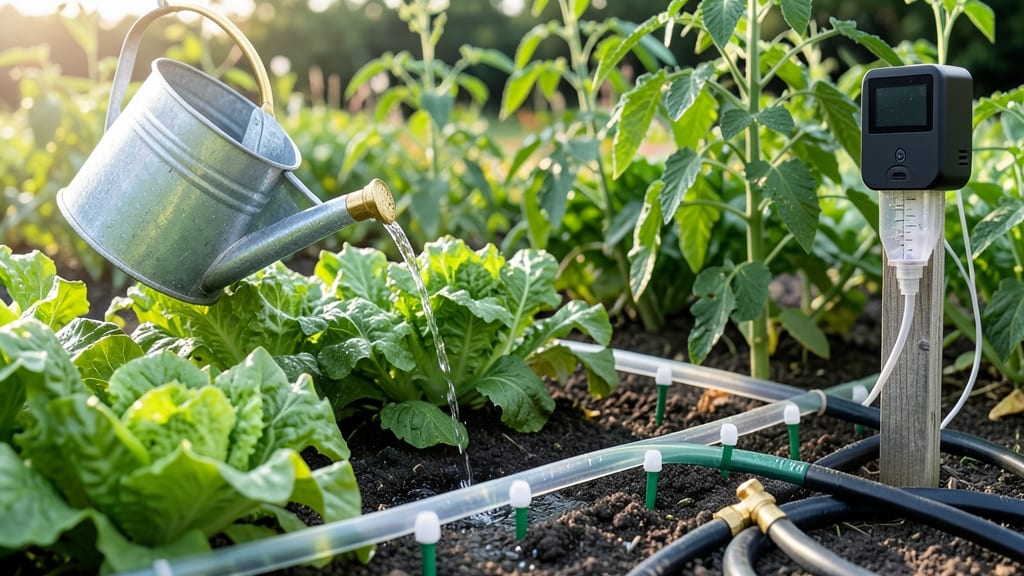
Watering your vegetable garden for the right amount of time is the secret to lush, productive plants — and most gardeners either drown their roots or leave them parched.
That 30-second sprinkle you’ve been using? It might as well be a rain dance. Some crops need deep soaks of 20 minutes to reach their roots, while others wilt from even a few extra minutes too long.
Below, I’ll break down the exact watering times for each plant type — from leafy greens that hate soggy soil to tomatoes that demand a consistent deep drink — plus how to tell when your garden is thirsty or drowning.
You’ll learn how to adjust for sandy vs. clay soil, seasonal shifts, and even the best time of day to water so nothing goes to waste.


Deep-watering rules by plant type: how long to water vegetables for maximum growth
Mastering the art of deep watering transforms your vegetable garden from struggling to thriving. Unlike quick sprinkles, deep watering encourages root expansion and drought resistance—key for heavy producers like tomatoes and peppers.
But timing varies wildly: leafy greens need frequent shallow drinks, while carrots demand slow, deep soaks to prevent forking. Soil type throws another wrench: sandy soil drains fast (water every 1-2 days), while clay holds moisture longer (every 3-4 days). Let’s break down the science-backed durations for each plant category.
First, understand the golden rule of deep watering: aim to moisten soil 6-12 inches deep, depending on the plant’s root system. A soaker hose or drip irrigation delivers water slowly, mimicking natural rain.
For root vegetables like beets or potatoes, this means watering until the soil feels damp at 10-12 inches down. For herbs like basil, 4-6 inches suffices. The trick? Water until you see moisture at the base of mature plants—this ensures roots access what they need without wasteful runoff.
| Plant Type | Watering Duration (Per Session) | Frequency (Sandy Soil) | Frequency (Clay Soil) | Key Tip |
|---|---|---|---|---|
| Root Vegetables (carrots, beets, potatoes) | 15-20 minutes (until 10-12" deep) | Every 1-2 days | Every 3-4 days | Water slowly to avoid cracking soil |
| Leafy Greens (lettuce, spinach, kale) | 10-15 minutes (until 4-6" deep) | Daily (shallow watering) | Every 2 days | Keep soil consistently moist, not soggy |
| Fruiting Plants (tomatoes, peppers, cucumbers) | 20-30 minutes (until 8-12" deep) | Every 1-2 days | Every 3 days | Focus on root zone during flowering |
| Herbs (basil, parsley, cilantro) | 10-15 minutes (until 4-6" deep) | Every 1-2 days | Every 2-3 days | Avoid overhead watering to prevent mildew |
Your soil type dictates absorption speed more than you’d think. In sandy soil, water races through like a sieve, so you’ll need to water more frequently but briefly.
Test it: dig 6 inches down 30 minutes after watering—if it’s dry, you’re not hitting depth. Clay soil, on the other hand, acts like a sponge, holding moisture for days. Here, the risk is root rot from overwatering, so let the top 2 inches dry between sessions.
Pro tip: Mulch with straw to slow evaporation and keep roots cool.
Shallow watering—like a 5-minute sprinkle—tricks plants into growing weak, shallow roots that can’t access deep moisture. These roots wilts faster in dry spells and struggle to support heavy fruits. To fix this, switch to deep cycles early in the season.
For example, water tomato seedlings for 20 minutes every other day for the first 2 weeks. As they mature, increase to 30 minutes every 1-2 days. The payoff? Plants with strong taproots produce 20-30% more yield and handle drought better.
Seasonal shifts demand watering adjustments. During summer heat, most vegetables need daily deep watering (30-45 minutes) to replace lost moisture. In spring or fall, cut back to every 2-3 days, even for fruiting plants. Watch for wilting by noon—a red flag for thirsty plants.
Morning watering is non-negotiable: it reduces evaporation and fungal risks (like powdery mildew) by letting foliage dry quickly. If you must water in the evening, finish by 7 PM to avoid overnight dampness.
Herbs often get overlooked in watering guides, but they’re just as picky as veggies. Basil, for instance, hates soggy feet but wilts fast if dry.
Water it for 10-15 minutes every 1-2 days, focusing on the soil surface, not the leaves. Dill and parsley are more drought-tolerant, needing water every 2-3 days. A telltale sign of underwatering? Yellowing leaves that crisp at the edges. Overwatering? Mushy stems or leaves turning black.
Adjust by checking soil moisture with your finger—if the top inch is dry, it’s time to water.
For container-grown vegetables, the rules change. Pots dry out 3-5x faster than ground soil, so water until water runs from drainage holes (a sign roots are hydrated). Cherry tomatoes in 5-gallon pots may need daily watering in summer, while lettuce in 1-gallon containers needs water every 1-2 days.
Use self-watering pots or a moisture meter to avoid guesswork. Pro move: Group containers by water needs to streamline care.
Don’t let weather fool you. A light rain might feel sufficient, but it often only wets the top inch. After rainfall, stick your finger 2 inches deep—if it’s bone-dry, water as usual.
Humidity also plays a role: in high-humidity zones, plants need less frequent but deeper watering to prevent fungal issues. In arid climates, water early morning and mulch heavily to retain moisture. The goal? Consistent soil moisture
Signs your vegetable garden needs water (and how to adjust timing)
Most gardeners know their vegetables need water—but figuring out when to water can feel like guessing. Your tomatoes might droop by noon, while your lettuce stays crisp until late afternoon.
These differences aren’t random; they’re clues your plants are sending. Learning to read these signals means you’ll water just enough to keep roots happy without wasting a drop.
Start by checking the soil moisture with your finger. Stick it 1-2 inches deep—if it feels dry, it’s time to water. For sandy soil, moisture evaporates faster, so you’ll need to water more frequently than in clay soil, which holds water longer.
Even the time of day matters: morning watering reduces evaporation and fungal risks, while evening water can leave leaves damp overnight, inviting disease.
💧 Key Watering Cues & Fixes
Don’t ignore plant-specific signals. Leafy greens like spinach and kale often wilt dramatically when thirsty, but they bounce back quickly after a drink. Root vegetables, however, show stress more subtly—yellowing leaves or stunted growth might mean their roots aren’t getting enough moisture.
Pay attention to these differences to avoid over- or under-watering.
Adjust your watering schedule based on weather. During heatwaves, you might need to water twice a day, while cooler days can stretch watering to every 3 days. Use a rain gauge to track natural precipitation—if you’ve had 1 inch of rain, skip watering that day.
Mulch also plays a role: a 2-3 inch layer of straw or wood chips can reduce evaporation by up to 30%, cutting your watering needs.
Evening watering might seem convenient, but it’s a common mistake. Wet leaves at night create the perfect conditions for fungal diseases like powdery mildew. Instead, water in the early morning so foliage has all day to dry.
If you must water in the evening, aim for the soil base and avoid wetting leaves. This small adjustment can save your garden from costly plant losses.
Pro tip: Group plants with similar water needs together. Drought-tolerant herbs like rosemary and thyme can live with less water, while fruiting plants like cucumbers and eggplants need consistent moisture. By organizing your garden this way, you’ll streamline your watering routine and keep every plant thriving without guesswork.