
Fertilization
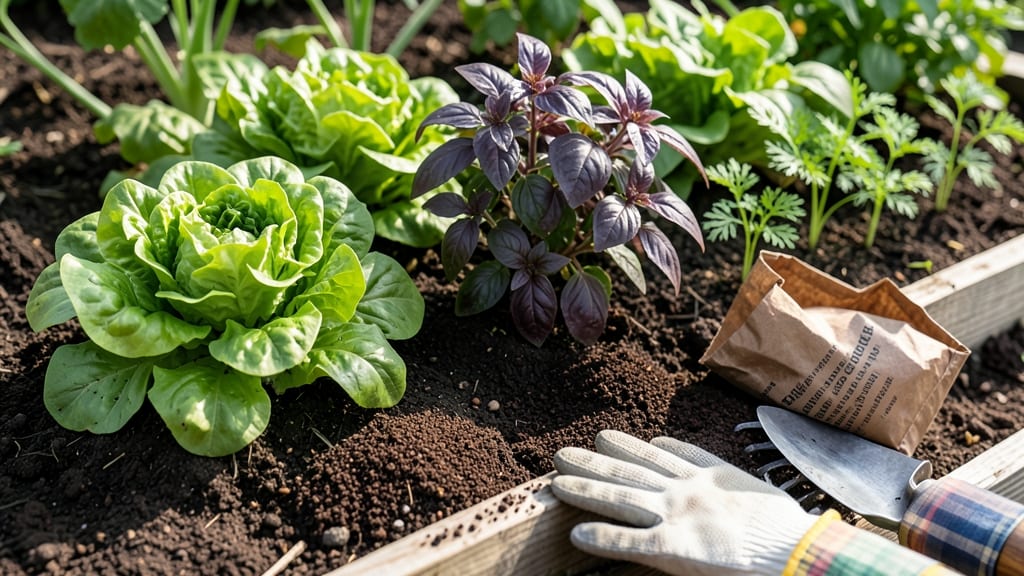
Using coffee grounds in the vegetable garden provides a nitrogen-rich fertilizer that improves soil structure and deters pests, but overapplication can acidify soil or attract mold. Balance with compost and monitor pH levels for best results.
Coffee grounds work as a natural fertilizer because they're packed with nitrogen, which plants crave for leafy growth.
When mixed into soil, they break down slowly, releasing nutrients while also repelling slugs and fungi. 🌱 The key is moderation—too much can make soil too acidic, harming sensitive plants like tomatoes or blueberries.
I like to sprinkle a thin layer around plants like lettuce or spinach, where the extra nitrogen helps them thrive.
For best results, combine coffee grounds with compost to balance their acidity and add other essential nutrients.
A good rule of thumb is to use no more than 1/4 inch of grounds per square foot of garden bed, and always mix them into the top layer of soil rather than piling them directly. This method keeps the soil healthy without overwhelming your plants.
💡 In This Article
- How Coffee Grounds Benefit Vegetable Garden Soil
- Best Practices for Applying Coffee Grounds Safely
How coffee grounds benefit vegetable garden soil
Coffee grounds act like a slow-release nitrogen fertilizer because they contain about 2% nitrogen by weight—roughly 1.5 pounds of nitrogen per 100 pounds of dry grounds.
When mixed into soil, these grounds decompose thanks to microbial activity, releasing nitrogen in a form called ammonium (NH₄⁺), which plants absorb through their roots.
This process also stimulates beneficial bacteria and fungi, creating a thriving soil ecosystem that breaks down organic matter more efficiently. 🌱 The porous texture of coffee grounds also improves soil aeration, allowing roots to breathe better while retaining moisture like a natural sponge.
The caffeine in coffee grounds (about 0.05-2% of dry weight) acts as a natural pesticide, repelling slugs, snails, and even some fungal diseases like powdery mildew. Studies show that caffeine disrupts the nervous systems of slugs, making them avoid treated areas.
Meanwhile, the acidic nature (pH ~6.2-6.8 when fresh) creates an environment where harmful pathogens struggle to grow. This dual benefit makes coffee grounds a smart choice for gardens plagued by pests or fungal issues, especially for leafy greens like lettuce or kale that benefit from nitrogen.
What makes coffee grounds unique is their ability to enhance soil structure over time. As they decompose, they form humus-like compounds that bind soil particles together, creating a looser, more workable texture. This is particularly helpful in clay-heavy soils where drainage is poor.
For example, adding 1 cup of used coffee grounds per square yard every few months can improve moisture retention by up to 20% while reducing compaction. The dark color also helps soil absorb more sunlight, warming the root zone slightly in cooler climates.
However, the benefits depend on proper decomposition. Fresh coffee grounds can attract mold if piled too thickly, while overapplication can create a "hot spot" where nitrogen burns tender roots.
The ideal ratio is 1 part coffee grounds to 30 parts soil by volume, mixed into the top 2-3 inches of soil. For heavy feeders like tomatoes or peppers, combine with phosphorus-rich amendments like bone meal to balance the nitrogen boost.
One often-overlooked advantage is the aroma coffee grounds release as they break down. The earthy, slightly sweet scent attracts earthworms, which further aerate the soil and process organic matter.
In my own garden, I’ve noticed that beds amended with coffee grounds develop a richer, darker hue over time—a visual cue that the soil is becoming more fertile. This transformation happens gradually, making coffee grounds a low-maintenance way to build soil health over seasons.
For best results, use a mix of fresh and composted grounds.
Fresh grounds decompose in 2-4 weeks, while composted grounds (aged 3-6 months) release nutrients more slowly and have a milder impact on soil acidity. 🌿 This balance ensures your vegetables get a steady supply of nutrients without the risk of over-acidification, which can stunt growth in sensitive plants like beans or carrots.