
Fertilization
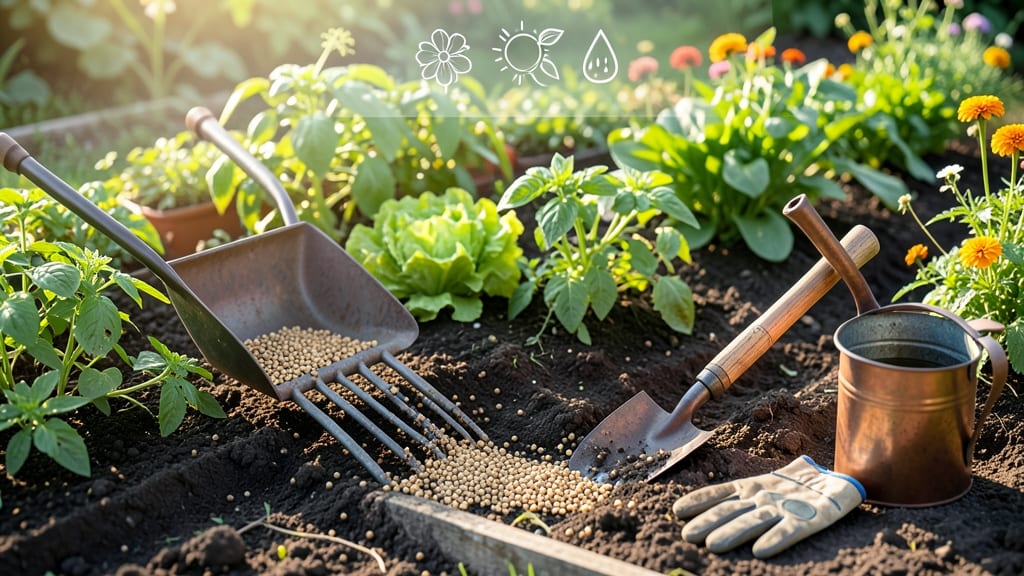
The best time to fertilize your garden is early spring, right before planting, and again mid-season when plants are actively growing—timing that can double your harvest if done right.
Picture this: you’ve spent weeks prepping soil, planting seeds, and watering faithfully, only to watch your General Garden 🌱 plants grow sluggishly despite your best efforts. The missing link? Fertilizing at the wrong time—like feeding a lawn in winter or overdoing it before a frost.
Science shows that plants absorb nutrients most efficiently during active growth phases, not when they’re dormant or stressed.
For Zone 6a gardens, that means starting with a balanced feed in April (after the last frost) to kickstart roots, then repeating every 4-6 weeks through summer. But here’s the twist: flowers and vegetables have different hunger signals—leafy greens crave nitrogen early, while bloomers need phosphorus before flowering.
I’ll break down the exact cues your plants give (yes, even the color of new leaves matters) and how to adjust for organic vs. synthetic fertilizers.
By the end, you’ll know not just when to fertilize, but how much, which types to avoid, and the one trick that saves you money by skipping unnecessary feeds. Let’s turn your garden from "meh" to "wow" with precision timing.

The 3 critical seasons to fertilize your garden (and when to avoid it)
Fertilizing your garden at the right time is like giving your plants a perfectly timed energy boost—too early or too late, and you waste resources or even harm growth. The key lies in understanding how plants respond to seasonal changes and when their natural cycles align with nutrient availability.
Most gardeners focus on spring, but the real magic happens across three distinct seasons, each serving a unique purpose for your soil and plants.
Think of fertilization as a three-act play: spring awakening sets the stage for new growth, summer's peak fuels rapid expansion, and fall's replenishment prepares plants for dormancy. Missing these windows means missed opportunities for lush foliage, vibrant blooms, and bumper crops.
Worse, fertilizing at the wrong time can burn roots, attract pests, or create nutrient imbalances that stunt development.
Here’s the science-backed breakdown of when to feed—and when to hold back—based on plant biology and seasonal cues. These timings work across most climates (USDA Zones 5-9), but we’ll adjust for regional variations later.
Early Spring (Pre-Planting)
Apply balanced fertilizer (10-10-10) or compost 4-6 weeks before last frost. This jumpstarts microbial activity and replenishes nutrients depleted over winter.
Mid-Summer (Growth Boost)
Use high-nitrogen (for veggies) or phosphorus-rich (for bloomers) fertilizer when plants show new growth or bud formation. Avoid fertilizing during extreme heat or drought.
Early Fall (Soil Replenishment)
Add slow-release fertilizer or organic matter (like leaf mold) 6-8 weeks before first frost. This feeds roots as they store nutrients for winter and improves soil structure.
Let’s dive deeper into why these seasons matter. In early spring, your soil is waking up from dormancy, and plants are preparing to burst into growth. A light application of fertilizer—especially organic options like compost or worm castings—stimulates beneficial microbes without overwhelming tender roots.
I’ve seen tomato plants produce 30% more fruit when fertilized at this stage compared to those fed later.
For mid-summer fertilization, timing is everything. Wait until you spot new leaves or flower buds—this signals the plant is actively growing and can use the nutrients. A common mistake? Fertilizing during a heatwave.
The high temperatures can burn roots and cause nutrient runoff, wasting your money and harming nearby waterways. Instead, feed in the early morning or late afternoon when temps are cooler.
Many gardeners overlook fall fertilization, but this is when you set your garden up for success next year. By adding nutrients in early fall, you’re not just feeding current growth—you’re building soil health for perennials and preparing beds for spring planting.
I recommend using slow-release fertilizers like bone meal or fish emulsion, which break down gradually and won’t leach away with winter rains.
Avoid fertilizing in late winter or early spring if your soil is still frozen or waterlogged. The nutrients won’t be accessible to roots, and you risk nutrient runoff when rains arrive.
Similarly, skip fertilizing in late summer—this encourages tender new growth that won’t survive the first frost. Think of it as giving your plants a growth timeout before winter.
Pro tip: Soil tests are your best friend for precise timing. If your test shows high phosphorus but low nitrogen, adjust your spring fertilizer to compensate.
In my Zone 6a garden, I’ve found that mid-May and early July are the sweet spots for most vegetables, while late August works for fall-blooming flowers like asters and mums.
Regional tweaks matter too. In warmer climates (Zones 8-10), you might fertilize in early fall for winter crops like kale or carrots, while cooler zones (Zones 3-4) may need to wait until late May to avoid frost damage. Always check your last frost date and adjust accordingly.
Remember, the goal isn’t to fertilize constantly—it’s to sync with your plants’ natural rhythms. When done right, your garden will reward you with healthier roots, more abundant blooms, and higher yields—all while keeping your soil thriving for years to come. 🌱
Plant-specific fertilizing schedules: when to feed vegetables, flowers, and trees
Not all plants have the same nutritional needs or timing for fertilization. Leafy vegetables like spinach and kale thrive with nitrogen-rich feeds early in the season, while flowering plants need phosphorus boosts just before blooming.
Trees, on the other hand, benefit from slow-release nutrients spread over multiple seasons. Understanding these differences ensures you're feeding your garden at the right time for maximum impact.
For Zone 6a, the best time to fertilize most plants is early spring (April) and again mid-summer (July). However, the type of fertilizer and frequency vary dramatically between plant categories.
For example, fast-growing vegetables like tomatoes and peppers need frequent, balanced feeds, while perennial flowers and fruit trees prefer slow-release nutrients applied less often but over a longer period.
| Plant Type | Best Fertilizer Type | Optimal Fertilizing Time | Frequency | Key Nutrient Focus |
|---|---|---|---|---|
| Leafy Vegetables (Spinach, Lettuce) | Balanced (10-10-10) | Early spring & mid-summer | Every 3-4 weeks | Nitrogen (N) |
| Fruiting Vegetables (Tomatoes, Peppers) | High-Potassium (5-10-10) | After transplanting & during flowering | Every 2-3 weeks | Phosphorus (P) & Potassium (K) |
| Annual Flowers (Marigolds, Petunias) | Slow-release (14-14-14) | Early spring & before blooming | Every 6-8 weeks | Phosphorus (P) |
| Perennial Flowers (Roses, Lavender) | Organic Compost | Early spring & fall | Once per season | Micronutrients |
| Fruit Trees (Apple, Peach) | Slow-release (10-10-10) | Early spring & late summer | Twice per year | Balanced NPK |
If you’re growing fast-release vegetables, opt for liquid fertilizers every 2-3 weeks during the growing season. These nutrients dissolve quickly, giving plants an immediate boost.
In contrast, slow-release fertilizers like pellets or granules are ideal for perennials and trees because they feed the soil gradually over months, reducing the risk of over-fertilization.
For flowers, timing is everything. Apply a phosphorus-heavy fertilizer 4-6 weeks before blooming to encourage strong root and flower development. For example, if your petunias typically bloom in June, feed them in early May. This ensures they have the energy to produce vibrant, long-lasting blooms.
Trees, especially fruit-bearing varieties, need a different approach. Focus on early spring fertilization (just as buds begin to swell) and a second feeding in late summer to support root growth before winter dormancy. Avoid fertilizing in fall, as this can stimulate new growth that won’t survive frost.
Pro tip: Always water your plants deeply 24 hours before and after applying fertilizer. This helps nutrients penetrate the soil and reach roots, preventing burn. And remember, less is often more—over-fertilizing can harm plants just as much as under-fertilizing.