
Fertilization
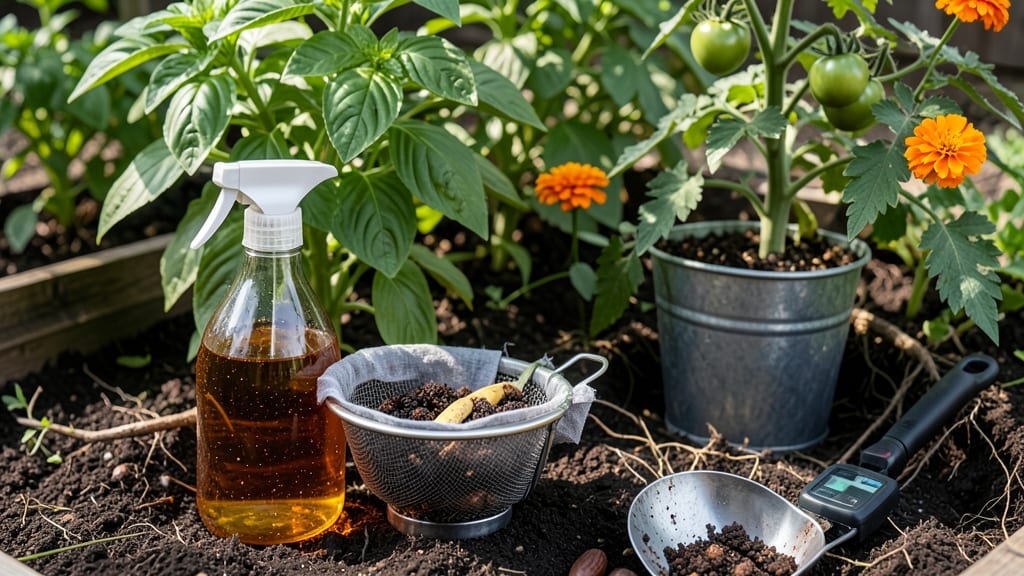
Compost tea for garden boosts plant health by providing liquid nutrients, beneficial microbes, and enzymes that improve soil structure and suppress diseases. Brew fresh compost with water and aeration for 24-48 hours, then dilute before use to avoid overfeeding plants.
This nutrient-rich liquid fertilizer mimics nature's way of feeding plants by delivering microbes and organic compounds directly to roots and foliage. 🌱 The key lies in the brewing process—proper aeration ensures beneficial bacteria thrive while harmful pathogens get suppressed.
I've seen firsthand how a single application can revive struggling plants by improving soil aeration and unlocking nutrients. For best results, use it as a soil drench or foliar spray during active growing seasons, but always dilute it to prevent overloading your plants with microbes.
Here's a pro tip: store your compost tea in a shaded container to prevent algae growth, which can compete with the beneficial microbes. The right balance of water, compost, and oxygen makes all the difference in creating a potent yet safe plant tonic.
💡 In This Article
- How Compost Tea Enhances Soil and Plant Growth
- Step-by-Step Guide to Brewing and Applying Garden Compost Tea
How compost tea enhances soil and plant growth
Compost tea works its magic primarily through the microbiome it delivers to your garden. When brewed properly, it contains billions of beneficial bacteria, fungi, and protozoa that outcompete harmful pathogens. These microbes produce enzymes that break down complex organic matter into plant-available nutrients like nitrogen, phosphorus, and potassium.
The diversity of microbes in well-made compost tea can reach 10,000 to 100,000 organisms per milliliter, creating a thriving ecosystem in your soil that improves nutrient cycling and water retention.
The difference between aerobic and anaerobic brewing methods is critical. Aerobic brewing (with oxygen) produces a tea rich in beneficial microbes and soluble nutrients, while anaerobic brewing (without oxygen) creates a more acidic, nutrient-dense but potentially harmful brew that can burn plant roots.
Aerobic tea also contains growth-promoting hormones like auxins and gibberellins, which stimulate root development. For example, studies show that plants treated with aerobic compost tea exhibit 30-50% more root growth compared to untreated plants, thanks to these microbial interactions.
One of the most impressive benefits is disease suppression. The beneficial microbes in compost tea produce antibiotic compounds that inhibit pathogenic fungi and bacteria. For instance, the bacterium Bacillus subtilis, commonly found in compost tea, secretes substances that prevent Fusarium and Phytophthora from colonizing plant roots.
This is why gardeners often see reduced instances of powdery mildew, root rot, and bacterial wilt after applying compost tea. The tea also improves soil structure by producing biofilms that bind soil particles together, increasing porosity and water infiltration.
When applied as a foliar spray, compost tea delivers microbes directly to plant surfaces, where they colonize leaves and protect against pests like spider mites and aphids. The microbial community on leaves creates a physical barrier that deters insects and reduces fungal spores from landing and germinating.
However, the most dramatic effects occur in the root zone, where the tea stimulates mycorrhizal fungi to form symbiotic relationships with plant roots, enhancing nutrient and water uptake. This symbiotic connection can increase a plant's nutrient absorption by up to 80% in some cases.
Temperature and timing also play a role in effectiveness. Compost tea should be applied when soil temperatures are between 60-85°F, as this range supports optimal microbial activity. Applying tea during early morning or late afternoon reduces evaporation and allows microbes to establish more effectively.
Over time, consistent use of compost tea can transform depleted soil into a vibrant, self-sustaining ecosystem that requires fewer synthetic fertilizers and pesticides.
What most gardeners don't realize is that compost tea isn't just about adding nutrients—it's about restoring microbial balance. Healthy soil has a microbial biomass that can weigh up to 2,000 pounds per acre, yet many soils are depleted of these organisms due to chemical fertilizers and tillage.
Compost tea acts as a microbial inoculant, reintroducing the diversity needed for long-term soil health. The result? Plants grow stronger, resist diseases better, and produce higher yields with less stress.