
Container Gardens
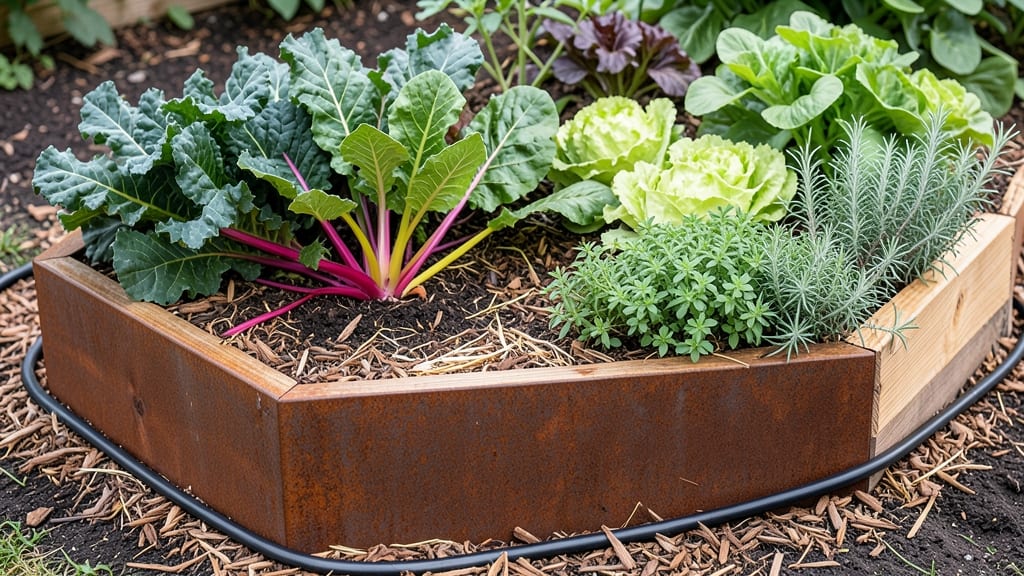
Corten steel raised garden beds combine a distinctive industrial charm with exceptional longevity for outdoor growing spaces. Their patented weathering steel composition creates a natural rust patina that protects against further corrosion, making them perfect for tough environments, but require careful soil management to prevent acid buildup.
These beds stand out because their signature rust-red finish isn't just decorative—it's a chemical reaction that forms a protective layer over time. 🌿 Unlike regular steel, corten steel develops this stable oxide coating when exposed to air and moisture, which actually shields the metal beneath from further deterioration.
That means they can handle heavy rainfall and extreme temperatures far better than traditional galvanized options, though their performance peaks in moderate climates where they can develop that protective layer naturally. The trade-off?
You'll need to monitor soil pH regularly since the metal can leach trace minerals that may affect plant growth over time.
For best results, I recommend pairing them with well-draining soil mixes that include compost and perlite, while avoiding overly acidic amendments. The heavyweight construction also means you can grow root crops like potatoes or tomatoes without worrying about the bed collapsing under their weight.
Just be prepared to give them a good cleaning every few years to maintain that signature weathered look while keeping your garden looking its best.
💡 In This Article
- Why Corten Steel Resists Rust and Lasts Decades
- Planting and Maintenance Tips for Corten Steel Garden Beds
Why corten steel resists rust and lasts decades
Corten steel's remarkable durability comes from its carefully balanced chemical composition, specifically the addition of copper, chromium, and phosphorus to its carbon steel base. These elements accelerate the formation of a tight, stable oxide layer when exposed to oxygen and moisture—a process called patination.
Unlike regular steel that corrodes uniformly, corten steel develops this protective layer within 6-12 months, transforming its surface from bare metal to a dark reddish-brown finish that actually prevents further corrosion.
This is why corten steel structures like bridges and garden beds can last 50+ years with minimal maintenance.
The science behind this involves controlled oxidation: when corten steel first weathers, it forms a porous rust layer that gradually tightens as it reacts with atmospheric conditions. This layer is 10-20 times thicker than regular rust but remains firmly attached to the metal, shielding it from moisture penetration.
For comparison, galvanized steel relies on a zinc coating that eventually wears away, while standard steel rusts continuously.
In coastal areas or high humidity, corten steel's patina forms even faster, though in extremely dry climates, you may need to accelerate the process with light sandblasting or acid washing every few years.
What makes corten steel particularly well-suited for garden beds is its ability to handle soil acidity and moisture fluctuations better than other metals. The patina creates a self-healing barrier—any scratches or damage will quickly re-form when exposed to air.
However, this protective layer does require oxygen circulation, which is why garden beds should never be buried or covered with impermeable materials. The ideal climate for corten steel is moderate to humid, where temperatures range between 40-80°F and rainfall is consistent but not excessive.
One common misconception is that corten steel's rust is the same as regular rust—it's not. The patina contains iron oxides and hydroxides that form a dense, adherent layer, while regular rust is iron oxide only and flakes away.
This difference is why corten steel can handle heavy soils and root crops without degrading, whereas galvanized steel might show white rust (zinc corrosion) in similar conditions. The trade-off?
The patina does leach trace minerals like iron and copper into the soil, which can benefit some plants but may require pH testing for acid-loving species like blueberries.
For gardeners in arid climates, the patina formation slows significantly, which is why some manufacturers recommend pre-weathering corten steel beds before installation. This involves exposing the metal to outdoor conditions for 3-6 months before use, allowing the protective layer to develop fully.
The result? A bed that not only looks stunning with its textured, weathered surface but also provides a stable, long-term growing environment for your plants. 💫
Consider this comparison: a 1/4-inch thick corten steel bed can support up to 500 lbs of soil and plants without warping, while a similar galvanized steel bed might show signs of rust within 5-10 years in harsh conditions.
The key to maximizing corten steel's lifespan is ensuring proper air circulation around the metal and avoiding prolonged contact with de-icing salts or acidic fertilizers, which can compromise the patina's integrity.