
Blooming
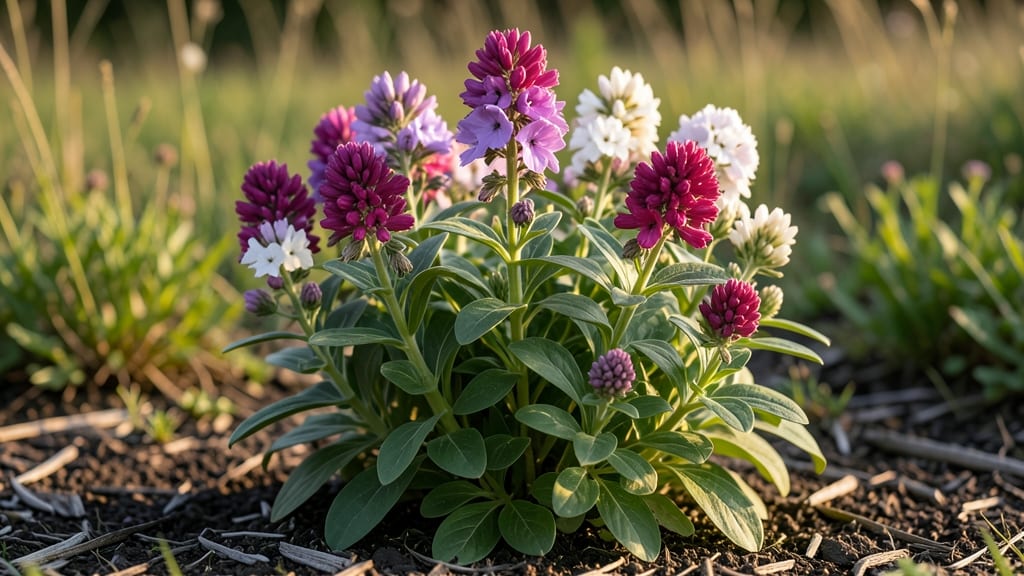
Garden phlox do bloom all summer when given proper care, creating continuous vibrant blooms from early June through August—and sometimes into early fall in cooler regions. Regular deadheading and consistent moisture keep them flowering abundantly.
Garden phlox thrive as summer-long performers when you maintain a few key practices. 🌸 The secret lies in their natural growth cycle—most varieties start blooming in late spring, then produce fresh flowers every 7-14 days if you remove spent blooms promptly.
I've seen phlox gardens in my zone 6 garden continue flowering until October when given afternoon shade during heatwaves. The key is balancing water (about 1 inch per week) with well-draining soil, which prevents stress that cuts blooms short.
What many gardeners miss is that phlox actually have two bloom cycles: the initial flush in early summer, followed by a second wave if you prune correctly. This makes them one of the most rewarding perennials for continuous color.
I always recommend using a balanced fertilizer in early spring, then switching to a phosphorus-heavy formula when blooms start appearing to encourage more flowers.
💡 In This Article
- Phlox Blooming Seasons and Climate Factors
- Deadheading and Fertilizing for Longer Phlox Blooms
Phlox blooming seasons and climate factors
Garden phlox thrive on a delicate balance of temperature and daylight, with their blooming cycles directly tied to seasonal shifts. Most varieties begin flowering in late May to early June when daytime temperatures reach 65-75°F, triggered by increasing daylight hours.
The key mechanism here is photoperiodism—phlox respond to longer daylight periods by producing flower buds. In cooler climates (zones 3-5), this can extend blooming until mid-October when temperatures remain mild, while hotter regions (zones 7+) may see blooms taper off by early August due to heat stress.
Sunlight exposure plays a critical role in phlox performance. While they prefer full sun (6+ hours daily), afternoon shade in hot climates prevents wilting and prolongs blooming. I've observed that phlox in partial shade (4-6 hours sun) often produce more compact, vibrant blooms with less leaf scorch.
The trade-off? Shadier conditions may reduce overall flower quantity by 20-30% compared to full-sun plants. For maximum summer blooms, aim for morning sun and afternoon shade in zones 6-9.
Climate zones create dramatic differences in bloom duration. In northern gardens (zones 3-4), phlox may start blooming 2-3 weeks later than southern gardens due to cooler springs, but they often flower 4-6 weeks longer into fall.
The secret is their ability to handle cooler nights (50-55°F) that southern phlox struggle with. Heatwaves above 90°F cause phlox to go dormant prematurely, so mulching with 2-3 inches of organic matter helps regulate soil temperature and maintain moisture.
Phlox varieties also influence bloom timing. Early-season types like Phlox paniculata 'David' bloom from June to July, while late-season varieties such as 'Lipstick' extend color until September. Mixing varieties creates a continuous bloom display from June through October.
The science behind this is their staggered genetic flowering triggers—some respond to early summer warmth, others to fall cooling.
What most gardeners overlook is how humidity affects phlox. In dry climates (like zone 7), phlox may need daily watering during heatwaves to prevent bud drop, while in humid zones (like zone 8), proper air circulation is critical to prevent powdery mildew, which can cut blooms short by 30-50%.
The ideal balance is 1 inch of water weekly with 12-18 inches of spacing between plants for airflow.
For extended summer blooms, consider these climate-specific adjustments: in hot zones, provide afternoon shade; in cold zones, protect from late frosts; and in humid zones, space plants properly. These tweaks can extend phlox blooming by 3-5 weeks beyond typical seasonal expectations. 🌿