
Vegetables
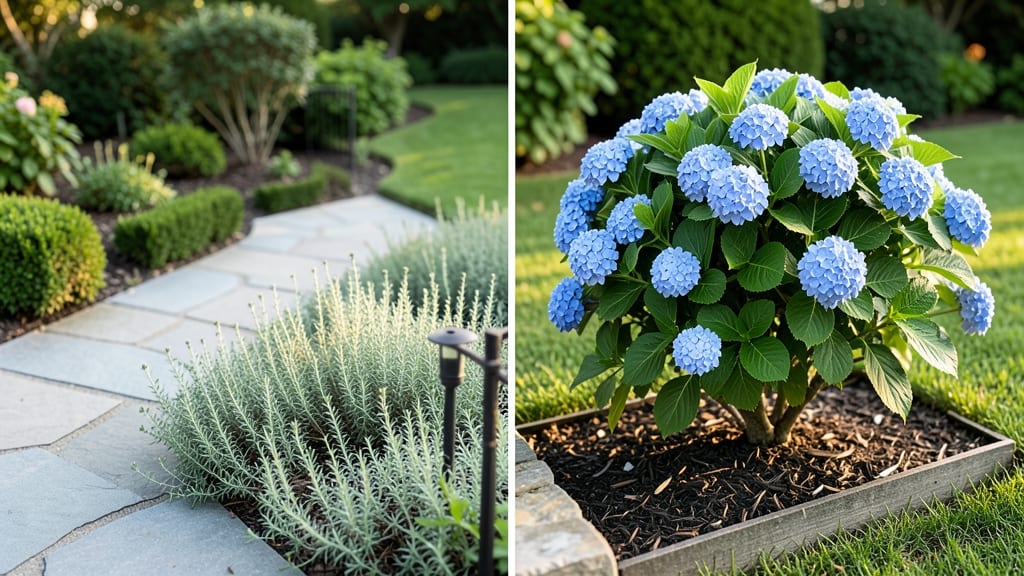
Gardens do increase property value by 5% to 15% on average, creating curb appeal and functional outdoor space that buyers actively seek in today's real estate market. High-end landscaping can push this value even higher, particularly in desirable neighborhoods.
This boost happens because outdoor spaces directly enhance a home's appeal, offering both aesthetic charm and practical living areas. 🌿 Studies show that well-designed gardens can reduce listing times by up to 30% in competitive markets, making them a smart investment for sellers.
The key lies in balancing beauty with functionality—think outdoor kitchens, fire pits, or native plants that require minimal upkeep while maximizing visual impact.
What makes this particularly valuable is how regional factors play into the equation. For example, drought-resistant gardens add significant appeal in arid climates, while lush, green landscapes might dominate preferences in rainier areas.
The right design choices can transform an ordinary backyard into a standout feature that justifies higher price points.
💡 In This Article
- How Landscaping ROI Varies by Region and Garden Type
- Maximizing Garden Value: Design and Maintenance Tips for Sellers
How landscaping ROI varies by region and garden type
Landscaping returns on investment (ROI) aren't one-size-fits-all—they vary dramatically based on location and garden style. In suburban markets, studies from the National Association of Realtors show that professional landscaping can add 10-15% to a home's value, while urban properties often see 5-10% appreciation due to limited space.
The difference? Suburban buyers prioritize expansive green spaces, while urban buyers value functional outdoor areas like rooftop gardens or small patios that maximize limited square footage.
Climate plays a surprisingly large role. In drought-prone regions like Arizona or California, xeriscaping (water-efficient landscaping) can boost value by up to 20% because it reduces maintenance costs and appeals to eco-conscious buyers.
Meanwhile, in humid climates like Florida or the Southeast, lush, tropical gardens with palm trees and ferns add 12-18% value by creating a resort-like atmosphere. The key is aligning garden design with local buyer preferences—what sells in a desert town won't necessarily work in a rainforest region.
Garden style also impacts ROI significantly. Formal gardens with manicured lawns and geometric designs tend to add 8-12% value in traditional neighborhoods, while native plant gardens (which require less water and upkeep) can increase value by 10-15% in eco-friendly communities.
Edible gardens, like vegetable plots or fruit trees, are gaining traction, with some studies showing a 15-25% premium in health-conscious or suburban areas where homeowners want to grow their own food.
Cost-to-value ratios further highlight the smartest investments. A simple $5,000 upgrade—like adding a walkway, lighting, or a small deck—often recoups 100-150% at resale, while high-end features (like a pool or elaborate water feature) may only recover 60-70% of their cost.
The sweet spot? Mid-range improvements that enhance curb appeal without overcapitalizing. For example, a $3,000 landscaping project might add $15,000 to a home's value in the right market.
Buyer psychology also shifts by region. In competitive urban markets, outdoor living spaces—like fire pits or outdoor kitchens—are highly desirable, often reducing listing times by up to 30%. In suburban areas, families prioritize play areas, gardens, or low-maintenance lawns.
Understanding these regional nuances can help sellers make targeted upgrades that yield the highest ROI. 🌿 For instance, a backyard oasis in a family-oriented suburb might sell faster than a minimalist garden in a downtown condo complex.
One often-overlooked factor is how landscaping interacts with property size. On smaller lots (5,000 sq ft or less), every inch of outdoor space matters—well-designed gardens can make a property feel larger and more inviting.
In contrast, sprawling estates benefit from mature trees, hedges, and strategic plantings that create privacy and grandeur. The ROI isn't just about adding square footage; it's about enhancing the perceived value of what already exists.
For sellers looking to maximize returns, the data suggests focusing on curb appeal, functionality, and local trends. A garden that looks inviting from the street, offers usable space, and aligns with regional tastes will always deliver the best bang for the buck.
Whether it's a drought-resistant garden in the Southwest or a lush, green retreat in the Pacific Northwest, the right design choices can turn an ordinary backyard into a selling point that justifies a higher price tag. ✨