
Landscaping
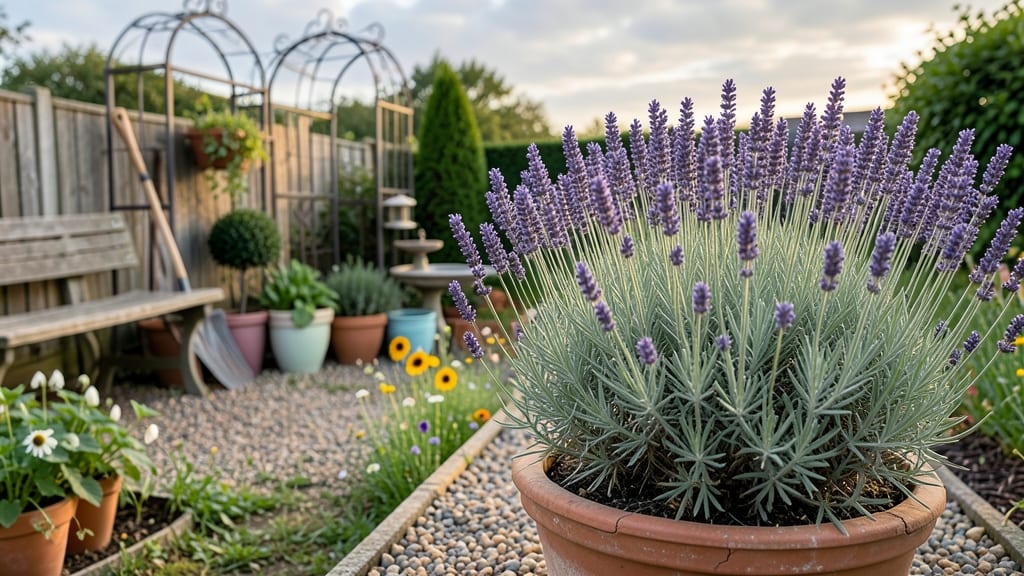
Creating English garden ideas for front yards combines rustic charm with structured beauty using fragrant perennials like lavender and roses, framed by gravel pathways and stone borders. Layering native shrubs creates depth while keeping maintenance simple.
English front gardens thrive on their romantic, slightly wild appeal—think soft borders that spill over with blooms rather than rigid lines. 🌸 The secret lies in mixing evergreen shrubs (like boxwood) with seasonal highlights (peonies in spring, hydrangeas in summer) to ensure year-round interest.
I’ve found that adding a central focal point, such as a small arbor or a classic stone bench, anchors the design while inviting exploration. The key is balance: let nature guide the layout while keeping pathways wide enough for easy strolling.
For low-maintenance success, prioritize plants that tolerate your climate and soil. Native species like sedum or heather need minimal watering and still deliver texture and color. Curved gravel paths not only add visual interest but also reduce mowing needs—just sweep occasionally to keep them looking crisp.
The magic of English gardens is in their timelessness: a well-planned front yard should feel welcoming year-round, whether it’s blooming with roses or resting under a blanket of snow.
💡 In This Article
- Key Plants for Low-Maintenance English Front Gardens
- Designing a Classic English Garden Layout
Key plants for low-maintenance English front gardens
The heart of any English-style front garden lies in its plant selection—where hardy perennials and native shrubs create a lush, romantic look with minimal effort. Peonies are a cornerstone, offering 3-5 inches of fragrant blooms in late spring to early summer, followed by seed heads that add winter interest.
Their deep roots make them drought-tolerant once established, and they thrive in partial shade, perfect for underplanting roses or boxwood. 🌸 For year-round structure, boxwood (Buxus sempervirens) provides dense, evergreen foliage that can be clipped into neat hedges or informal topiary shapes, while hydrangeas deliver bold summer color in shades of blue, pink, or white—ideal for creating layered borders.
Ground covers like sedum (especially Sedum 'Dragon's Blood') bring vibrant color and texture while suppressing weeds. These succulent plants require only 1-2 inches of rain per week once established and tolerate poor soil, making them perfect for sunny borders.
Another workhorse is lavender, which not only repels pests but also emits a calming fragrance that enhances the garden's sensory appeal. Its silvery foliage contrasts beautifully with darker-leaved plants like heuchera (coral bells), adding visual depth without demanding attention.
The key is to group plants with similar water needs together—this "hydrozoning" technique reduces irrigation time by up to 40%.
Seasonal transitions are where English gardens truly shine. Plant spring bulbs like daffodils or tulips beneath deciduous shrubs (such as deutzia or spirea) so they emerge early before the foliage blocks sunlight.
In summer, clematis vines trained on arbors provide vertical interest, while aster flowers extend the season into fall. For winter, ornamental grasses like Miscanthus sinensis add movement and texture, their seed heads catching light even when bare branches dominate.
This layered approach ensures your garden remains visually engaging year-round with minimal seasonal overhauls.
Native plants are the unsung heroes of low-maintenance English gardens. Species like Russian sage (Perovskia atriplicifolia) thrive in poor soil and drought conditions while attracting pollinators, while bee balm (Monarda) provides nectar for hummingbirds. These plants have evolved alongside local ecosystems, meaning they require 30-50% less water than non-native alternatives.
The scent alone—from roses in summer to wintergreen (Gaultheria procumbens) in colder months—creates an immersive experience that feels like stepping into a storybook. The best part? Their resilience means you spend more time enjoying the garden and less time fighting it.
Color coordination is subtle but intentional in English gardens. Pair soft pinks (like peony) with deep purples (lavender) and creamy whites (hydrangeas) to create a harmonious palette that feels timeless.
Add golden foliage (from golden rod or variegated hostas) to brighten shaded areas, and deep greens (like hostas) to ground the design. This color theory isn't about matching hues perfectly—it's about creating a soothing, natural progression that feels organic rather than forced.
The result is a garden that looks effortlessly curated, even when it's thriving on autopilot.
For maximum impact with minimal work, focus on three layers: tall shrubs (3-6 feet), mid-height perennials (1-3 feet), and low-growing ground covers (under 1 foot). This vertical structure draws the eye upward while creating pockets of shade for delicate flowers.
For example, place hydrangeas at the back, peonies in the middle, and lavender at the front. The contrast between textured foliage (like heuchera) and bold blooms adds depth without requiring constant pruning.
With this approach, your front garden will feel like a living tapestry—rich in detail yet simple to maintain. ✨