
Landscaping
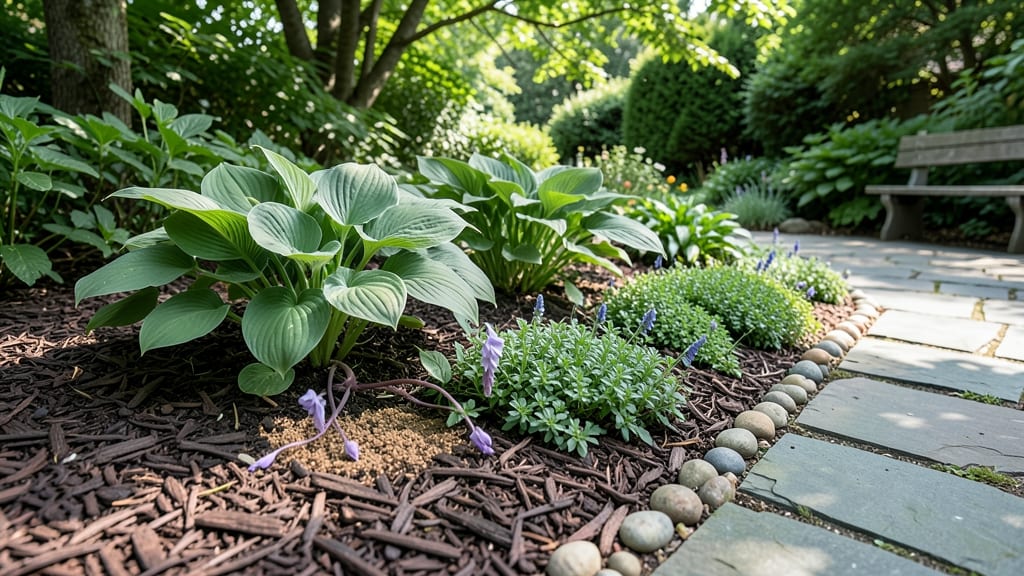
Zone 6 shade garden ideas can be just as vibrant and full of life as sun-drenched plots—you just need the right plants and a smart design strategy.
Picture this: a quiet corner of your yard that’s been nothing but a patch of moss and weeds, no matter how hard you try to coax life from it.
The truth is, shade gardens in Zone 6 thrive when you focus on layered textures, evergreens, and perennials that love the dappled light. With the right mix, you can create a year-round sanctuary that feels lush and intentional, even in deep shade.
In this guide, I’ll walk you through the best shade-tolerant plants for your climate, from tall shrubs like boxwood to delicate ground covers like ajuga, plus how to layer them for maximum impact.
You’ll also discover color schemes that pop in low light, seasonal blooms that keep the garden lively, and hardscaping tricks to tie it all together without the upkeep.
Ready to turn that shady spot into a low-maintenance highlight of your landscape? Let’s get started with plants that don’t just survive in shade—they thrive.
 Best Window Placement
Best layered plant combinations for Zone 6 shade gardens
Creating a shade garden in Zone 6 doesn’t mean sacrificing beauty or texture. The key lies in layered plant combinations that thrive under dappled, partial, or deep shade.
By mixing evergreens, perennials, and ground covers, you can achieve year-round interest while maximizing vertical space. These pairings ensure your garden stays lush even when sunlight is scarce.
Start with tall structural plants like boxwood (Buxus) or pieris (Andromeda) for the back layer. These evergreens provide winter interest and anchor your design. Pair them with mid-height perennials such as hostas (Hosta) or heucheras (Coral Bells) for foliage contrast.
Finally, fill gaps with low-growing ground covers like sweet woodruff (Galium odoratum) or ajuga (Bugleweed) to suppress weeds and add texture.
Here’s how to combine plants for three common shade levels—deep, partial, and dappled—while ensuring seasonal color and low-maintenance care. The right mix will turn your shady spots into a vibrant, functional oasis that thrives year-round.
For deep shade, focus on foliage plants like hostas and sweet woodruff, which thrive with minimal light. Add spring-blooming hellebores for early color before the canopy fills in.
In partial shade, introduce pieris or dwarf Japanese maples for height, then layer with heucheras and ajuga for bold foliage contrasts. These combinations create depth and movement while requiring minimal upkeep.
In dappled shade, where sunlight filters through trees, ferns and astilbes shine. Their feathery textures and plume-like blooms add airy elegance to your garden. Pair them with lungwort for early spring blooms and creeping jenny to tie everything together. This mix ensures year-round visual appeal without overwhelming your space.
Don’t forget to mix heights and textures for a dynamic look. For example, pair tall boxwood with mounded hostas and spreading sweet woodruff. This creates a natural, layered effect that mimics a forest understory.
Add ornamental grasses like Hakonechloa for soft movement and winter structure. These grasses tolerate shade and add seasonal interest when other plants go dormant.
When designing, group plants by water needs to simplify care. Most shade-loving plants prefer moist, well-draining soil, but ajuga and sweet woodruff are drought-tolerant once established. Mulch with shredded bark to retain moisture and suppress weeds. This low-maintenance strategy keeps your garden looking neat and healthy with minimal effort.
For extra impact, incorporate seasonal blooms like bleeding heart (Dicentra) in spring or toad lily (Tricyrtis) in fall. These short-lived but striking plants add pops of color without requiring full sun. Plant them near evergreen shrubs to extend their visual appeal throughout the year.
Finally, test your soil before planting. Shade gardens often have compacted or acidic soil, so amend with compost and organic matter to improve drainage. If your soil is too acidic, add lime to create a balanced pH for plants like heucheras and hostas.
A simple soil test ($15 at garden centers) saves time and ensures your plants thrive.
With these layered combinations, your Zone 6 shade garden will become a **lush, low-maintenance retreat
How to design a low-maintenance shade garden in Zone 6
A low-maintenance shade garden starts with the right soil foundation. Zone 6’s shady areas often have compacted, nutrient-poor soil, so I always begin by amending it with 3-4 inches of compost and a 2-inch layer of organic mulch.
This improves drainage while suppressing weeds naturally—a game-changer for busy gardeners. Test your soil’s pH too; most shade plants prefer 5.5–6.5. If yours is off, a sulfur-based amendment or crushed limestone can adjust it in just a few months.
Next, focus on mulching strategies that lock in moisture and block weeds. I swear by wood chips or shredded bark because they break down slowly, enriching the soil over time. Apply a 3-inch layer around plants, keeping it 2 inches away from stems to prevent rot.
For extra resilience, top-dress with pine needles or leaf mold—they’re acidic, perfect for rhododendrons or azaleas, and last longer than straw.
- Test pH and amend with lime or sulfur if needed
- Mix in compost or aged manure (avoid fresh manure)
- Add perlite or sand for heavy clay soils
- Place tall plants (e.g., ferns, hostas) at the back
- Use ground covers (e.g., ajuga, sweet woodruff) in front
- Group similar water needs together for efficiency
- Water deeply 2x/week instead of daily shallow watering
- Use drip irrigation to target roots directly
- Avoid overhead watering (promotes fungus)
When selecting plants, prioritize native species and drought-tolerant varieties like Virginia bluebells, foamflower, or wild ginger. These thrive with minimal intervention and support local ecosystems. For structure, add evergreen shrubs such as inkberry or Japanese holly—they provide year-round interest while requiring almost no upkeep.
Pair them with perennials like hellebores or lungwort, which bloom early and attract pollinators without demanding extra care.
To minimize weeds long-term, I recommend sheet mulching with cardboard or newspaper topped with mulch. This smothers weeds while improving soil as it decomposes. For pathways, use gravel or stepping stones to reduce compaction and make weeding easier.
If you love containers, opt for self-watering pots filled with moisture-retentive mixes—they cut watering time in half while keeping roots happy.
Finally, embrace seasonal layers to keep your garden vibrant with minimal effort. Plant spring bulbs like snowdrops or bleeding heart, summer bloomers like astilbe, and fall foliage like Japanese anemone.
This ensures color and texture year-round, so you’re never stuck with a dull patch. With these strategies, your Zone 6 shade garden will flourish with less work and more beauty.
Remember, the key to low maintenance is preparation and smart choices. Once your soil is prepped, plants are placed thoughtfully, and mulch is in place, you’ll spend hours less weeding and watering each season. Happy gardening! 🌿