
Light Requirements
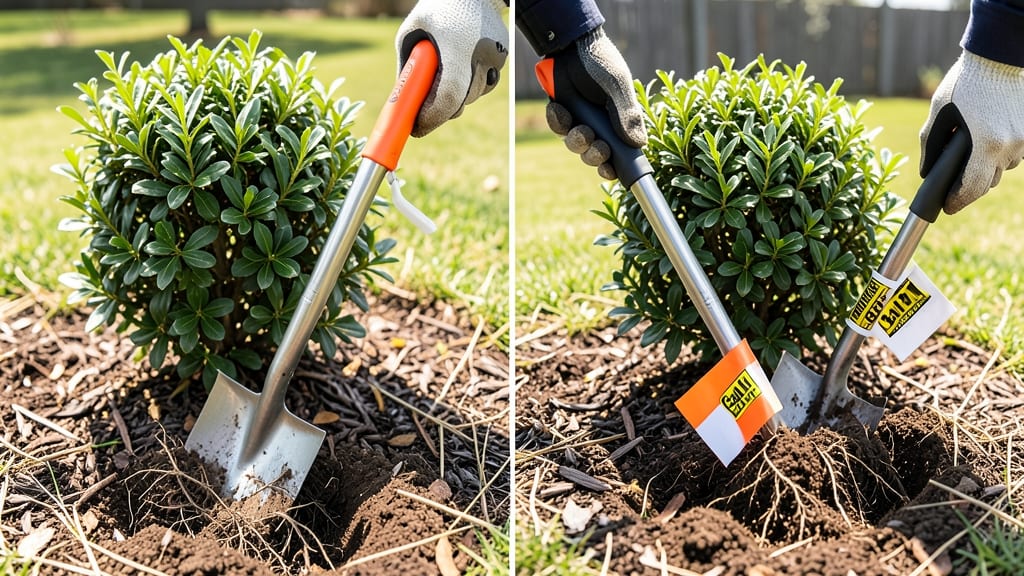
Do I need to call 811 for a garden? Yes, before digging when planting trees, shrubs, or installing irrigation deeper than 12 inches, since underground utility lines may be present in any yard. Always check local laws, as some states mandate notification even for shallow landscaping.
This safety measure prevents striking gas lines, electrical cables, or water pipes that could cause fires, explosions, or costly repairs. 🌱 The 811 system connects you to local utility companies, which will send trained crews to mark buried lines for free—often within a few days.
Many homeowners overlook this step, assuming their yard is safe, but buried utilities can be anywhere, even in well-established gardens.
State laws vary significantly: some require notification only for deep work, while others mandate it for any digging over 6 inches. For example, California and New York have strict rules, while other states may only require it for commercial projects.
Always verify with your state's 811 center or a local utility locator service before starting any garden project that involves digging.
💡 In This Article
- When and Why 811 Calls Are Required for Gardening Projects
- Step-by-Step Guide to Digging Safely in a Garden Without Accidents
When and why 811 calls are required for gardening projects
Every year, thousands of underground utility lines are damaged during digging projects, often in residential gardens. The 811 system exists because even a small shovel can strike gas lines, electrical cables, or water pipes buried just 12 inches below the surface.
Natural gas lines, for example, are pressurized and can explode if punctured, while electrical cables pose electrocution risks. The 811 hotline coordinates with local utilities to mark these lines for free, using fluorescent paint or flags to indicate their exact locations.
The depth threshold isn't universal—some states mandate notification for any digging over 6 inches, while others only require it for work exceeding 18 inches. For instance, California requires 811 calls for any digging over 12 inches, but Texas may only require it for commercial projects.
This variation stems from state laws balancing safety with practicality—some areas have older infrastructure with utilities buried shallower than modern standards. Always check your state's 811 center website for specific rules before starting any garden project.
What most people don't realize is that utility lines aren't always where they seem. Gas lines, for example, can shift over time due to ground settling or erosion, while electrical cables might be rerouted during construction.
Even "safe" areas like vegetable gardens can hide 1-inch diameter water pipes or 2-inch diameter gas lines. The 811 process involves utility companies using ground-penetrating radar and historical records to create accurate maps—something DIY digging can't replicate. 💡
State laws also differ on timing. Some require notification 48 hours before digging, while others allow 2-3 business days. This delay gives utility companies time to respond, especially during peak seasons when crews are busier.
For example, Florida's 811 center recommends calling at least 3 days before spring planting to avoid delays. The process is free and legally required in most states—failing to notify can result in fines or liability for damages, even if the accident was unintentional.
Consider the risks: a struck gas line can cost $5,000-$10,000 to repair, while electrical cable damage may require 24-48 hours of service outages. Water pipe breaks can flood gardens and foundations, causing additional damage.
The 811 system isn't just a formality—it's a critical safety net that prevents these costly and dangerous scenarios. Even if you're planting shallow-rooted flowers, buried utilities might still be present, especially in older neighborhoods where records are incomplete.
The marking process itself is precise. Utility companies use bright red paint for electrical lines, yellow for gas, and blue for water, with flags placed every 5 feet along the line. These markings remain visible for 2 weeks or until the ground is disturbed, giving you clear guidance.
If you're unsure about marked lines, utility companies offer 24/7 emergency numbers for immediate assistance. This system has prevented countless accidents—making it one of the simplest yet most effective safety measures for any garden project. 🌿