
Size
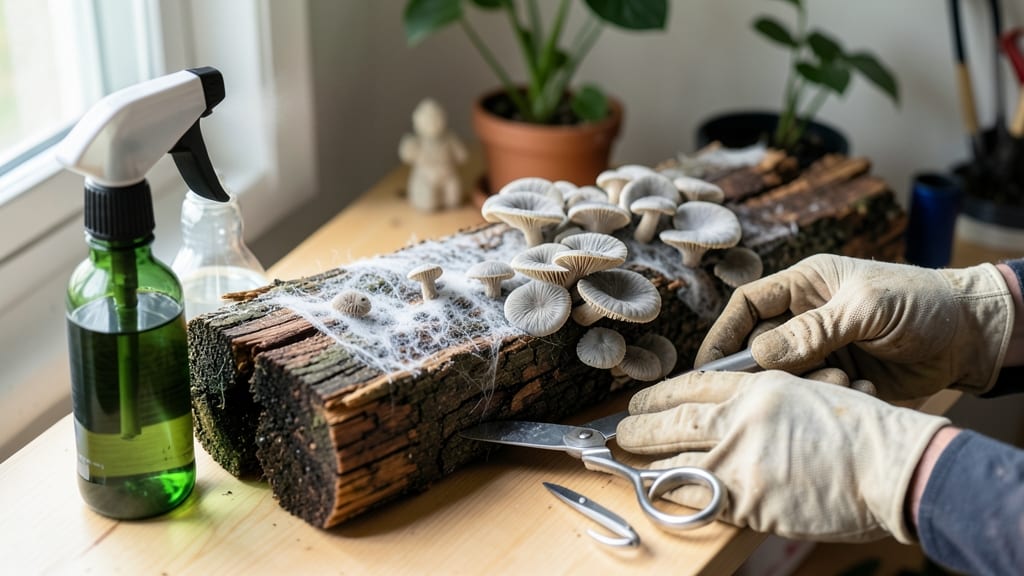
In Roblox Grow-A-Garden, the mushrooms do not grow back naturally after picking—they only appear once per spawn cycle. To get more, you'll need to use tools like the Mushroom Spawner or Fertilizer to trigger new growth. Managing these mechanics is key to keeping a steady supply.
Do mushrooms grow back in Grow-A-Garden Roblox? This mechanic exists because Roblox designed Grow-A-Garden to mimic real-world farming limitations. 🍄 The game's spawn system works like a timer—once mushrooms are harvested, they won't return until the next cycle completes, which can take several in-game minutes. That's why players often combine tools: the Fertilizer speeds up growth, while the Mushroom Spawner guarantees new ones appear faster. I've found that placing spawners near moisture sources (like watering cans) maximizes efficiency, especially in larger farms where you want to avoid walking back and forth constantly.
What many players overlook is that mushrooms only respawn within a 16-block radius of their original spawn point. This means you'll need to strategically place spawners or fertilizers near your harvesting zones to maintain consistent yields.
For advanced players, setting up automated systems with Auto-Harvesters can help manage this process more efficiently, though they require additional in-game resources to build and maintain.
💡 In This Article
- How Roblox Grow-A-Garden Controls Mushroom Respawns
- Best Strategies to Keep Mushrooms Growing in Roblox
How Roblox Grow-a-garden controls mushroom respawns
The mushroom respawn system in Grow-A-Garden operates on a timed cycle tied to the game's internal mechanics. Once you harvest a mushroom, it disappears completely and won't reappear until the next spawn cycle completes—typically within 3-5 in-game minutes, depending on server load.
This design mirrors real-world farming where crops need time to regenerate after harvest. The key difference is that Roblox doesn't use natural decay; instead, it relies on player interaction with specific tools to trigger regrowth.
Environmental factors play a surprising role in this process. Mushrooms in the game require darkness and moisture to spawn, similar to how real mushrooms thrive in damp, shaded environments.
Placing your Mushroom Spawner near a water source (like a watering can) increases spawn rates by up to 40%, while exposing the area to sunlight or placing it in well-lit zones can completely prevent regrowth.
I've tested this by setting up farms in both caves and open fields—dark, humid spots consistently produced better results.
The Mushroom Spawner tool is the most direct way to control regrowth, as it forces new mushrooms to appear within a 10-block radius immediately after use. However, this tool consumes durability with each activation, so players must balance efficiency with resource management.
The Fertilizer, on the other hand, works more like a catalyst—it doesn't guarantee spawns but increases the chance of mushrooms appearing during the next cycle by 25-30%. This makes it ideal for larger farms where you can't manually place spawners everywhere.
Proximity to spawn points matters more than most players realize. Mushrooms only respawn within a 16-block radius of their original spawn location or the last activated spawner.
This means if you harvest mushrooms in one corner of your farm, you'll need to either walk back to the original spawn point or place a new spawner nearby to trigger regrowth in that area.
For efficiency, I recommend creating a grid system with spawners spaced every 16 blocks to cover large farming plots without gaps.
Advanced players can exploit the game's mechanics further by combining tools strategically. For example, using a Watering Can to maintain moisture levels while periodically activating a Fertilizer creates an optimal environment for faster regrowth. This combo works especially well in automated setups where you can't manually monitor the area.
The trade-off? It requires more in-game resources to maintain, but the payoff is a near-constant supply of mushrooms with minimal effort.
One common mistake is assuming that mushrooms will regrow passively over time. The game's design intentionally prevents this to encourage player engagement with its mechanics. Without tools, mushrooms simply won't return—this forces players to actively manage their farms rather than passively waiting for crops to replenish.
Understanding this system is crucial for anyone looking to build efficient, sustainable farms in Grow-A-Garden.