
Size
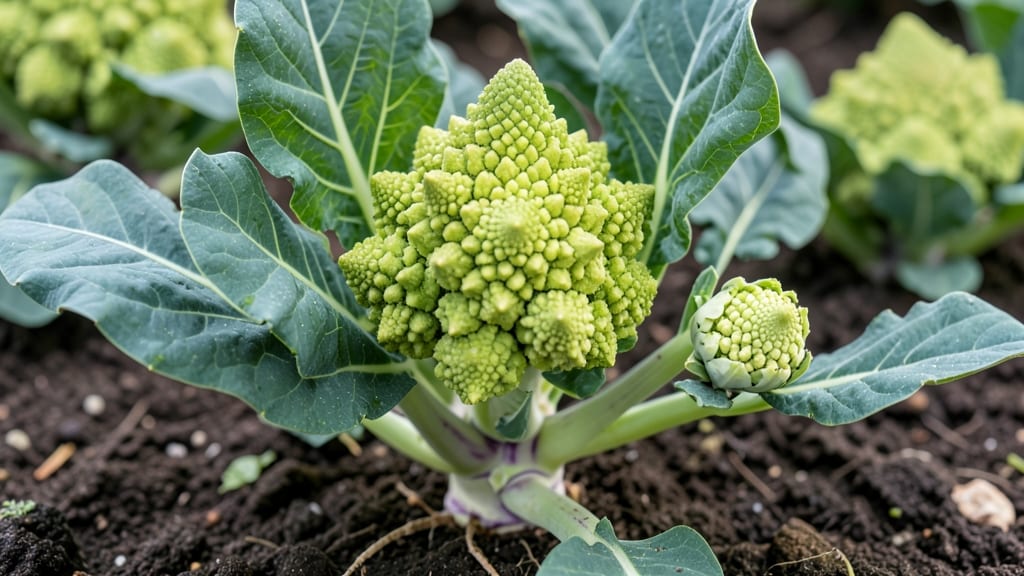
Yes, romanesco can grow back in your garden if harvested properly by preserving the main stem—cutting too low severs its regrowth potential. This two-year plant thrives through its second season, then completes its life cycle unless you replant from seed. With the right care, you can enjoy multiple harvests from the same plant.
This fascinating biennial vegetable stores energy in its stem during its first year, which is why preserving that stem is critical for regrowth. 🌱 The plant's unique fractal pattern develops in its second season, making proper harvesting techniques essential.
If you cut too aggressively, you'll miss the hidden growth nodes that allow it to produce new buds. Many gardeners successfully coax a second harvest by providing consistent moisture and balanced fertilizer after the initial cutting.
What's interesting is how romanesco responds to environmental cues—longer daylight hours trigger its flowering stage, which is why timing matters. If your plant bolts too early, you can still collect seeds for future planting.
The key is patience and observation, as this vegetable rewards careful gardeners with both beauty and harvest potential.
💡 In This Article
- Romanesco Regrowth Science: How Its Growth Cycle Works
- Step-by-Step Guide to Harvesting Romanesco for Regrowth
Romanesco regrowth science: how its growth cycle works
The romanesco's ability to regrow stems from its biennial life cycle—a two-year journey that sets it apart from most annual vegetables. During its first year, the plant focuses on building a sturdy stem and root system while storing carbohydrates in its thick, woody base.
This stored energy acts like a natural battery, fueling the fractal bud formation in its second year. When you harvest the edible florets, you're essentially tapping into this stored energy reserve—but only if you leave the stem intact to continue photosynthesis.
Temperature and daylight play critical roles in triggering the plant's flowering stage. Romanesco needs 10-12 hours of daylight to initiate bud formation, which typically occurs in its second spring. If days remain short (like in northern climates), the plant may delay flowering until the following year.
The stem's ability to regenerate new growth nodes—located about 6 inches below the harvest point—depends on maintaining these environmental conditions. Unlike annuals that die after producing seed, romanesco's biennial nature gives it a second chance at harvest.
What most gardeners overlook is the plant's response to stress. When you cut the florets, the remaining stem experiences a form of pruning shock that can either stimulate new growth or trigger premature bolting (flowering).
The key is to make clean cuts just above a growth node while leaving at least 6 inches of stem to support regrowth. This preserved stem continues producing energy through photosynthesis, which is why partial shade can actually help—it reduces stress while maintaining energy production.
The fractal pattern of romanesco isn't just visually stunning; it's a biological adaptation that maximizes surface area for photosynthesis. Each bud contains tiny leaves that continue working even after harvest, contributing to the plant's recovery.
In contrast, annual vegetables like broccoli would bolt and die after their first harvest, but romanesco's built-in resilience allows it to produce secondary shoots under ideal conditions. This makes it a rewarding plant for patient gardeners willing to invest in its care.
Here's what happens if you cut too low: you sever the growth nodes, leaving the plant without the energy reserves needed for regrowth. The stem may still photosynthesize, but without access to the stored carbohydrates in the lower stem, new buds won't form.
This is why precision matters—even a 1-inch difference in your cutting height can determine whether you get a second harvest or a failed attempt.
Consider this comparison: while annual vegetables like lettuce or spinach regrow only from their base leaves, romanesco's entire stem system works together. The root system continues supplying water and nutrients, while the stem stores energy and produces hormones that stimulate new growth.
This dual-system approach is what gives romanesco its unique regrowth potential—something most garden vegetables can't match.
The science behind this involves a delicate balance of hormones, particularly auxins and cytokinins. Auxins, produced at the tips of growing shoots, help regulate cell elongation, while cytokinins promote cell division.
When you harvest the florets, these hormones shift focus to the remaining stem, where they stimulate the formation of new lateral buds. Maintaining proper moisture levels (keeping soil consistently damp but not waterlogged) helps transport these hormones efficiently throughout the plant.