
Vegetables
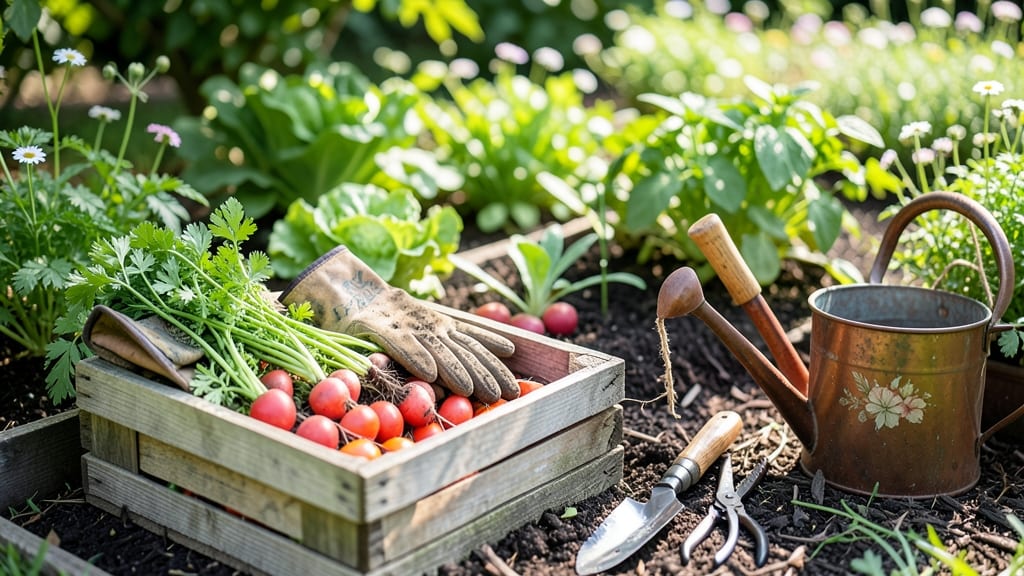
Fenway Victory Gardens in Boston were WWII-era community gardens that transformed urban spaces into productive green areas, boosting morale and food security. Today, they serve as a historic reminder of resilience and sustainable gardening in the city.
These gardens began as a wartime effort when the federal government encouraged Americans to grow their own food to support the war effort. 🌱 In Boston, they became a symbol of community spirit, with over 40,000 gardens producing millions of pounds of vegetables annually.
The initiative not only reduced grocery demand but also fostered neighborly connections that lasted long after the war ended.
What makes the Fenway Victory Gardens particularly notable is their location near Fenway Park, where they still thrive today as a living museum of urban agriculture. Visitors can explore the original plots, learn about wartime gardening techniques, and even participate in seasonal workshops that teach sustainable practices.
The gardens' legacy continues to inspire modern urban farming movements, proving that community-driven projects can create lasting change. Whether you're a history buff or a gardening enthusiast, this site offers a unique blend of education and hands-on experience.
💡 In This Article
- How Victory Gardens Revolutionized Boston’s Food Culture
- Visiting Fenway Victory Gardens Today: Tips and Seasonal Highlights
How victory gardens revolutionized Boston’s food culture
The Fenway Victory Gardens weren’t just temporary plots—they were a full-scale transformation of Boston’s food landscape. During WWII, the U.S. government launched the "Victory Garden" program in 1943, encouraging cities to convert vacant lots, parks, and even rooftops into vegetable gardens.
In Boston alone, over 40,000 gardens were established, producing an estimated 10 million pounds of produce annually—equivalent to feeding 1 million people for a year. 🌱 This effort wasn’t just about food security; it was a cultural shift that proved urban spaces could be repurposed for sustenance.
What made these gardens revolutionary was their scale and community-driven approach. The federal government provided seeds, tools, and educational materials, but the real work happened at the neighborhood level.
In Boston, groups like the Boston Garden Club and local schools organized gardening workshops, teaching residents how to grow vegetables like cabbage, carrots, and potatoes in small urban plots.
The gardens also served as social hubs, where families shared harvests and gardening tips—something that fostered resilience during a time of scarcity.
The impact extended beyond the war years. After WWII, many Victory Gardens evolved into permanent community green spaces, laying the foundation for modern urban farming initiatives. For example, the Fenway Victory Gardens near Fenway Park still operate today, using the same plots where wartime gardeners once grew food.
This continuity shows how wartime necessity birthed lasting change in how cities think about food production and sustainability.
One lesser-known detail is how these gardens affected Boston’s food distribution system. Before Victory Gardens, much of the city’s produce came from rural areas, which were already strained by wartime demand.
By growing food locally, Boston reduced its reliance on external supplies and created a more resilient food network. This principle is now a cornerstone of urban agriculture movements worldwide.
Visitors to the gardens today can see firsthand how these plots were designed for efficiency. Many original beds were raised to prevent soil compaction—a common issue in urban areas—and were organized in long, narrow rows to maximize space.
The gardens also incorporated composting systems, a practice that’s now standard in sustainable farming. 💫 This blend of practicality and innovation is what makes the Fenway Victory Gardens a living lesson in adaptive urban planning.
Beyond food, the gardens played a psychological role. During the war, fresh produce was scarce, and rationing left many families struggling. Victory Gardens gave people a sense of control and accomplishment, boosting morale in a time of uncertainty.
This emotional impact is why the gardens remain a powerful symbol of community strength.