
Vegetables
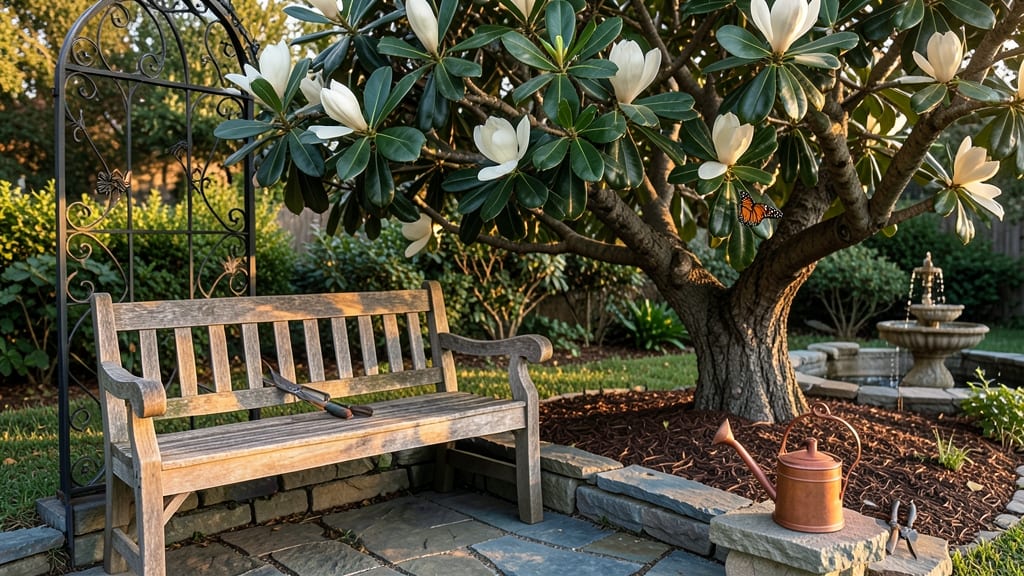
Filoli Gardens in San Francisco creates stunning, year-round botanical displays through its historic estate design, blending formal garden layouts with naturalistic plantings that showcase seasonal color transitions and rare Bay Area species.
What sets Filoli apart is its ability to merge 1915 estate elegance with modern horticultural science. 🌿 The gardens use strategic plant layering—tall shrubs framing pathways, mid-height perennials creating texture, and ground covers preventing erosion—to maintain their signature lushness even during dry summers.
I've noticed how their winter displays often feature hellebores and camellias, which thrive in the coastal climate while providing striking contrast against the historic stone walls.
The secret to replicating this at home lies in understanding the Bay Area's microclimates. Filoli's gardeners prioritize drought-tolerant natives like toyons and manzanitas alongside Mediterranean imports, creating a resilient palette that requires less watering.
Their seasonal color wheels—like the spring's purple lupines paired with yellow California poppies—serve as inspiration for home gardeners looking to create similar visual impact with minimal maintenance.
💡 In This Article
- Filoli’s Historic Garden Design and Plant Selection
- Seasonal Planting Strategies for Filoli-Inspired Gardens
Filoli’s historic garden design and plant selection
Filoli’s garden layout was designed in 1915 by architect Willis Polk, who blended European formal garden traditions with California’s natural beauty. The estate’s 17-acre gardens feature geometric parterres, winding paths, and open meadows—all strategically positioned to maximize sunlight exposure and seasonal interest.
The formal gardens near the mansion use symmetrical designs with boxwood hedges and lavender borders, while the naturalistic areas incorporate native grasses and wildflowers to create a seamless transition between structured and organic spaces. This dual approach ensures visual harmony while supporting biodiversity.
The plant selection reflects both historic aesthetics and modern horticultural science. Filoli’s gardeners prioritize species that thrive in the coastal Bay Area climate, where summers are dry and winters are mild with occasional fog.
Rare plants like California native manzanitas and toyons are drought-resistant and provide year-round structure, while seasonal bloomers such as spring camellias and winter hellebores deliver vibrant color transitions.
The color palette shifts with each season—purples and blues in spring, warm oranges in fall, and evergreens in winter—creating a dynamic visual experience that aligns with the estate’s historic charm.
One of the most fascinating aspects is how Filoli’s design incorporates plant layering techniques to maximize impact. Tall shrubs like arbutus trees frame pathways, mid-height perennials such as sage and salvias add texture, and ground covers like creeping thyme prevent erosion while filling gaps.
This multi-level approach not only enhances aesthetics but also reduces water usage—a critical consideration in California’s dry climate. The result is a garden that feels both timeless and sustainable, proving that historic design principles can coexist with modern ecological practices.
Filoli’s plant selection also tells a story of adaptation. Many species were chosen for their ability to thrive in the coastal fog belt, where temperatures can fluctuate dramatically between day and night.
For example, coastal woodfern and California lilac tolerate the salty air and occasional wind, while rosemary and lavender add fragrance and texture without requiring excessive water.
The garden’s seasonal color wheels—like the spring combination of purple lupines and yellow California poppies—are carefully curated to reflect the natural blooming cycles of the region, ensuring that every visit offers something new.
What makes Filoli’s design particularly inspiring is its balance of structure and spontaneity. The formal gardens provide a sense of order and elegance, while the naturalistic areas invite exploration and connection with nature.
This duality is achieved through thoughtful plant placement, where structured hedges contrast with wildflower meadows, and manicured lawns meet native grasses. The result is a garden that feels both refined and alive, offering a sanctuary that evolves with the seasons. 🌿
For home gardeners, Filoli’s approach offers valuable lessons in plant pairing and seasonal planning. By studying how the estate’s gardeners combine textures, colors, and heights, you can create a similar effect in your own space—whether it’s a small urban garden or a larger backyard.
The key is to start with a foundation of drought-tolerant plants, then layer in seasonal bloomers to keep the garden vibrant year-round. Filoli’s success lies in its ability to honor tradition while embracing innovation, a principle that can be applied to any garden design.