
Vegetables
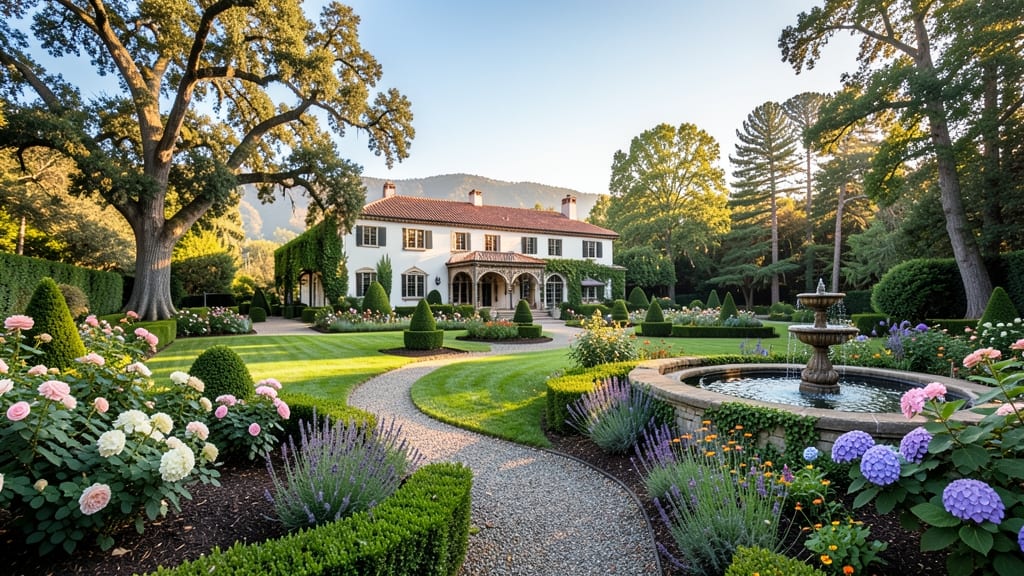
Filoli Gardens in Redwood City, CA, offers a breathtaking 555-acre estate blending historic architecture with lush gardens showcasing rare plants, seasonal blooms, and meticulously designed landscapes. Open year-round, it features themed gardens, walking trails, and educational programs for plant enthusiasts and nature lovers alike.
This stunning estate transforms with each season, making it a year-round destination for nature lovers. 🌸 In spring, the Japanese Garden bursts with vibrant tulips and cherry blossoms, while summer showcases the Rose Garden's 1,500 varieties at peak bloom.
The estate's meticulous landscaping highlights rare camellias in winter and fiery fall foliage in autumn, all while preserving the original 1915 mansion's historic charm. Beyond the gardens, visitors can explore educational workshops on sustainable gardening practices inspired by Filoli's own organic methods.
The estate's design philosophy extends beyond aesthetics—each garden section tells a story through plant selection and layout. For example, the Woodland Garden features native California species, while the Italian Garden showcases Mediterranean herbs and perennials.
This thoughtful curation creates a living museum where every visit reveals new botanical treasures, making it a must-visit for both casual strollers and serious plant enthusiasts.
💡 In This Article
- Exploring Filoli’s Seasonal Garden Themes and Plant Collections
- Visiting Filoli Gardens: Tips for Plant Lovers and Photographers
Exploring Filoli’s seasonal garden themes and plant collections
Filoli’s seasonal transformations create a dynamic experience where each visit feels like discovering a new botanical masterpiece.
In spring, the Japanese Garden becomes a sea of 10,000 tulips in vibrant hues like 'Queen of Night' (deep purple) and 'Apricot Parfait' (soft peach), carefully cultivated to bloom synchronously over 4-6 weeks.
The garden’s design incorporates traditional Japanese techniques like gravel raking patterns and strategically placed maple trees to frame seasonal views. 🌸
Summer turns the spotlight to the Rose Garden, home to 1,500+ roses across 200 varieties, including heirloom climbers like 'Souvenir de la Malmaison' and modern hybrids such as 'Double Delight'.
The garden’s arbor-covered walkways create a fragrant canopy, while the perennial borders feature drought-tolerant plants like lavender and salvia that thrive in the 60-75°F summer temperatures. The irrigation system uses drip technology to conserve water, a principle inspired by Filoli’s commitment to sustainable landscaping.
Autumn brings fiery displays in the Woodland Garden, where native California buckeye and toyon berries provide dramatic color contrasts against the evergreen oaks. The garden’s layered planting technique—using low shrubs, mid-height perennials, and tall grasses) creates depth that photographers love.
Meanwhile, winter reveals the camellia collection, with 150+ bushes blooming from November to March, their waxy petals resistant to the 40-50°F winter chill.
The estate’s Italian Garden offers a Mediterranean escape year-round, featuring rosemary hedges and lavender swaths that release their signature scents when brushed. This garden’s terracing system prevents erosion while maximizing plant diversity, a technique borrowed from Renaissance Italian gardens.
The 1915 mansion’s greenhouse also plays a role—it propagates rare orchids and bromeliads using hydroponic methods, some of which are later displayed in the Conservatory.
What makes Filoli’s collections special is their historical context. The Rose Garden, for example, was planted in the 1930s using varieties from the World’s Columbian Exposition of 1893, while the Japanese Garden was designed in 1929 by landscape architect Takeo Shiota.
This blend of old-world charm and modern horticulture creates a living timeline of gardening evolution. 🌿
For plant lovers, the estate’s seasonal plant sales (held in spring and fall) offer rare specimens like Japanese maples and unusual bulbs, often at discounted prices for members.
The gardening workshops delve into techniques like layering perennials or composting methods used on-site, making Filoli not just a destination but a classroom for green thumbs.