
Planting
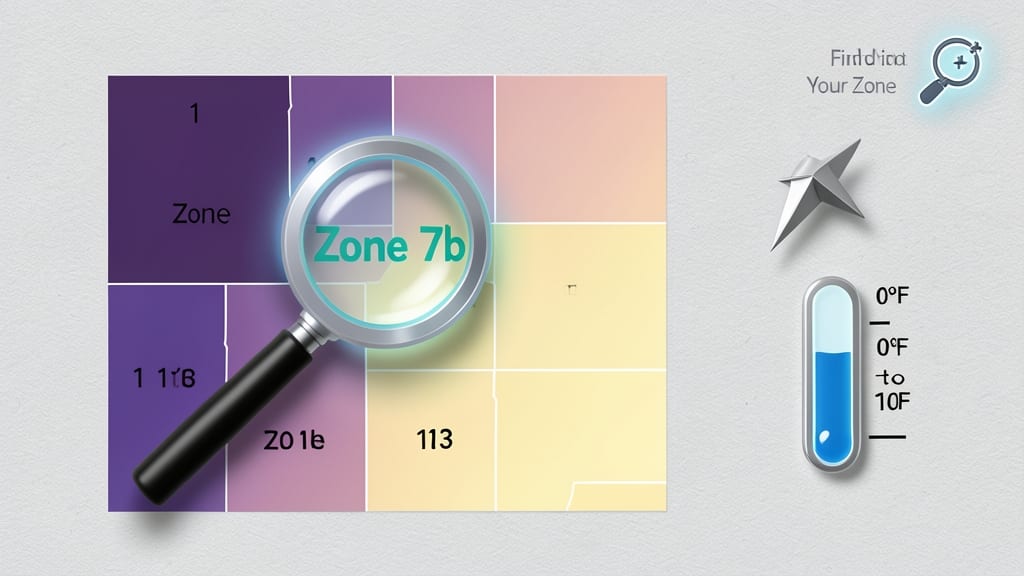
To find your gardening zone, use the USDA Plant Hardiness Zone Map, which divides North America into 13 zones based on average annual minimum temperatures to help you select the right plants for your area.
This system helps gardeners match plants to their local climate, ensuring better survival rates.
The zones range from Zone 1 (the coldest, like northern Canada) to Zone 13 (the warmest, like southern Florida), with each zone representing a 10°F difference in average winter lows. 🌱 For example, if you're in Zone 7, you'll know which perennials thrive in temperatures that dip to -5°F to 0°F—critical info for planning your spring and fall planting schedules.
While the USDA map provides a great starting point, remember that local conditions like elevation, proximity to water, and urban heat can create microclimates that shift your effective zone.
Many gardeners refine their approach by testing plants in their yard or using a zip code lookup tool for more precise results. This extra step can make the difference between a thriving garden and one that struggles with frost-sensitive plants.
💡 In This Article
- How USDA Plant Hardiness Zones Determine Your Garden Success
- Step-by-Step Guide to Locate Your Gardening Zone Online
How USDA plant hardiness zones determine your garden success
The USDA Plant Hardiness Zone Map is built on 30 years of temperature data collected from weather stations across North America. Each zone represents a 10°F difference in average annual minimum temperatures, which is the coldest temperature plants can typically survive.
For example, Zone 5 (common in the Midwest) has average winter lows of -20°F to -10°F, while Zone 9 (like Southern California) rarely drops below 20°F to 30°F. This temperature range directly impacts which plants will thrive or perish in your area.
Plants have specific temperature thresholds for survival, often tied to their natural habitats. A cold-hardy perennial like peonies can handle -30°F winters, while tropical plants like hibiscus need protection from anything below 40°F.
The zone system helps you avoid costly mistakes—like planting frost-sensitive citrus in Zone 6—by matching plants to climates where they've proven successful. 🌡️ What most gardeners don't realize is that these zones also correlate with last frost dates, which determine when to plant cool-season crops like lettuce versus warm-season plants like tomatoes.
Microclimates—small areas with unique conditions—can shift your effective zone by 1-3 zones. A south-facing wall might be 5-10°F warmer than the surrounding area, allowing you to grow plants one zone warmer than the map suggests. Conversely, low-lying areas or shaded spots can be colder.
Elevation plays a huge role too: For every 1,000 feet up, temperatures drop about 3.5°F. That's why a mountain garden in Zone 7 might feel more like Zone 5 in terms of plant hardiness.
Understanding these zones also helps with seasonal planning. The USDA map includes half-zones (a, b) to account for finer temperature gradations. For instance, Zone 7a has lows of -10°F to -5°F, while 7b ranges from -5°F to 0°F.
This distinction matters when choosing between plants that tolerate -5°F (like boxwoods) versus those that need 0°F protection (like camellias).
For container gardening, zones become even more critical because pots can freeze more easily than in-ground soil. The roots have less insulation, so you might need to bring containers indoors or use protective wraps when temperatures drop below the plant's tolerance level.
This is why many urban gardeners in Zone 6 successfully grow Zone 7-8 plants in containers—they can move them to sheltered spots during cold snaps.
Pro tip: Use the USDA Interactive Map to zoom in on your exact location. You'll see a color-coded zone with your precise half-zone designation. This tool also includes state-specific climate data, which can reveal regional variations within the same zone.
For example, coastal areas in Zone 8 might experience milder winters than inland deserts in the same zone due to ocean influences.