
Tools
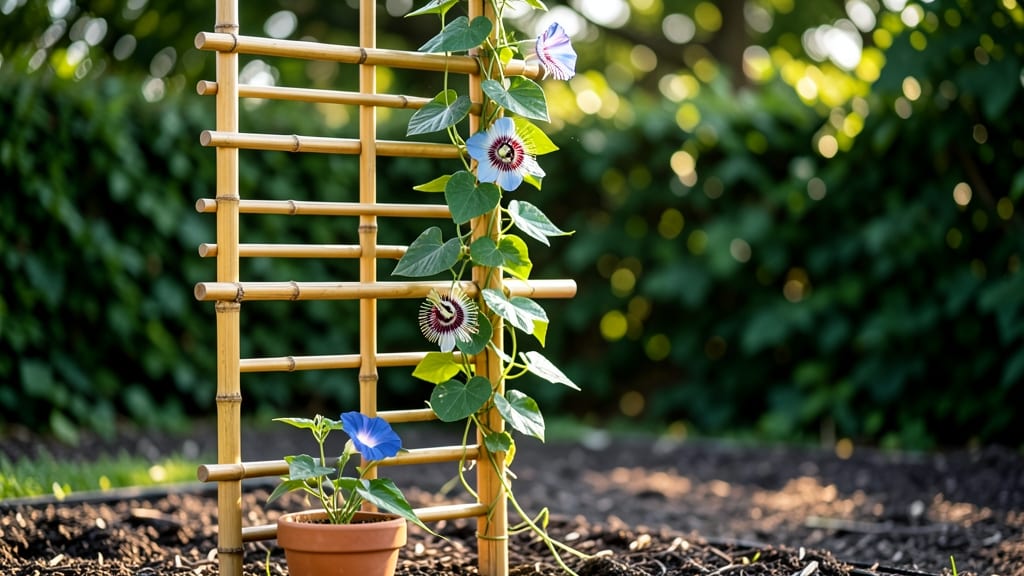
A foldable garden trellis is a space-saving solution for vertical gardening, made from lightweight yet durable materials like aluminum, bamboo, or recycled plastic. Your plant type and climate will determine which material lasts longest.
A foldable garden trellis transforms small spaces into productive growing areas by letting you train vines upward instead of sprawling. 🌿 The material choice matters more than you might think—aluminum resists rust but may bend under heavy fruits, while bamboo offers natural beauty but needs occasional sealing.
For windy areas, recycled plastic trellises often hold up better than wood. I’ve found that pairing the right trellis with your garden’s layout can double your harvestable space without sacrificing stability.
When selecting one, consider both the weight of your plants and how often you’ll need to move it. Trellises for light climbers like peas or beans can be thinner, while heavier loads like tomatoes or melons require wider, sturdier designs.
Most foldable models collapse into compact shapes, making them perfect for renters or small yards where storage is tight.
💡 In This Article
- How Lightweight Materials Affect Trellis Strength and Longevity
- Selecting the Best Foldable Trellis for Your Garden Layout
How lightweight materials affect trellis strength and longevity
The strength of a foldable garden trellis depends entirely on its material composition, where each option presents distinct trade-offs. Aluminum trellises, for instance, offer corrosion resistance and can support up to 20-30 pounds per section—ideal for heavy climbers like pole beans or small melons.
Their lightweight nature (typically 1-2 pounds per trellis) makes them easy to maneuver, but they can bend under extreme wind loads (over 30 mph) if not properly anchored. 🔥
Bamboo, on the other hand, provides a natural aesthetic and flexible strength—its hollow tubes distribute weight evenly, making it perfect for vining plants like cucumbers or grapes.
However, untreated bamboo absorbs moisture, which can weaken it over time (especially in humid climates) unless sealed with a waterproof finish every 6-12 months. A single bamboo trellis section typically holds 15-25 pounds but may warp if exposed to prolonged rain without protection.
Recycled plastic trellises strike a balance between durability and affordability, often weighing less than 1 pound while supporting 10-20 pounds of plant weight. Their UV-resistant formulations prevent degradation from sunlight, and they won’t rust like metal.
The downside? Plastic can become brittle over 3-5 years of outdoor use, particularly in freezing temperatures where it may crack under stress. For coastal gardens, salt-resistant plastic blends are the best choice.
Material selection also affects plant growth patterns. Aluminum’s rigid structure encourages straight upward growth in plants like peas, while bamboo’s slight flexibility helps guide sprawling vines like morning glories without restricting their natural movement.
Plastic’s smooth surface reduces friction, making it easier for tendrils to latch on—critical for fast-growing varieties like squash. ✨
Consider your garden’s microclimate when choosing. In high-humidity zones, bamboo or sealed wood may degrade faster unless treated annually, while aluminum or plastic will last longer. For wind-prone areas, trellises with wider bases (12+ inches) or built-in guy wires (like some aluminum models) provide better stability.
The key is matching the material’s natural strengths to your specific growing conditions.
Pro tip: If you’re growing heavy fruit-bearing plants (like tomatoes or pumpkins), opt for trellises with reinforced joints or multiple support points. For light climbers (e.g., nasturtiums or beans), even the thinnest plastic or bamboo will suffice.
The right material isn’t just about durability—it’s about creating the ideal growing environment for your plants. 💫