
Tools
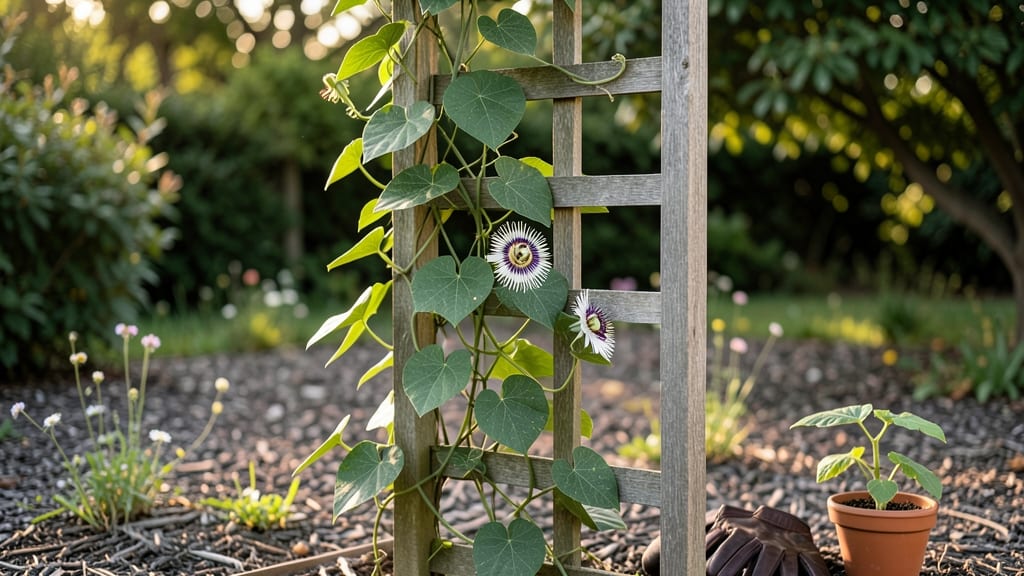
Finding garden trellises for sale gives you options in metal, wood, or PVC designs that support climbing plants beautifully while extending your garden's vertical space. Your choice should balance plant weight, weather resistance, and how easy they are to install for lasting garden structure.
When you're shopping for climbing plant supports, the material makes all the difference in performance and maintenance.
Metal trellises are the workhorses of the garden—rust-resistant and sturdy enough to handle heavy vines like wisteria or grapevines, though they can get hot in direct sun. 🌿 Wood trellises offer a classic aesthetic and blend seamlessly into natural landscapes, but they require sealing to prevent rot, especially in humid climates.
PVC trellises strike a balance with lightweight durability and low maintenance, making them ideal for beginners or temporary setups.
Beyond material, consider your garden's specific needs. For example, a metal trellis might be perfect for a sun-drenched patio where you're growing passionflowers, while a cedar wood trellis would add rustic charm to a shaded garden bed.
The key is matching the trellis's weight capacity to your plants—nothing ruins a garden faster than a trellis that sags under the weight of mature vines.
Most garden centers and online retailers carry these options, but quality varies widely. I always recommend checking customer reviews for real-world durability reports and looking for warranties on metal or treated wood options. A well-chosen trellis can transform your garden from flat to fabulous in just one growing season!
💡 In This Article
- Best Materials for Long-Lasting Garden Trellises
- Where to Buy Quality Garden Trellises Online and In-Store
Best materials for long-lasting garden trellises
Metal trellises dominate for heavy-duty support thanks to their 150-300+ pound weight capacity per section, making them ideal for vigorous climbers like wisteria (30+ pounds per vine) or grapevines. The most common options are galvanized steel or aluminum, both engineered to resist rust and corrosion.
Galvanized steel develops a protective zinc layer that lasts 10-15 years in normal conditions, while aluminum won't rust at all but may dent under extreme pressure. What makes metal truly exceptional is its thermal stability—unlike wood, it won't warp when exposed to 100°F+ temperatures or freeze-thaw cycles.
Wood trellises offer the most natural aesthetic but require careful material selection to avoid rot. Cedar and redwood contain natural oils that resist decay for 5-7 years without treatment, while pressure-treated pine lasts 7-10 years when properly sealed.
The key difference lies in their moisture absorption rates: untreated wood swells 10-15% when wet, potentially loosening screws and warping the structure. For coastal gardens with high humidity, I recommend cedar—its 0.5% annual shrinkage rate is far superior to pine's 2-3% annual shrinkage. The trade-off?
Wood trellises typically support only 50-100 pounds unless reinforced with metal brackets.
PVC trellises strike the perfect balance for most gardeners, combining lightweight durability (supporting 50-80 pounds) with zero maintenance. Their UV-resistant coatings prevent yellowing over 5-7 years of sun exposure, and they won't splinter or crack like wood.
What's particularly clever about PVC is its modular design—many systems use interlocking 1-inch diameter tubes that can be configured into arches, grids, or spirals without tools.
However, they're not ideal for perennial vines that grow heavier over time, as their plastic joints can loosen under 20+ pounds of sustained weight.
Consider your climate's extremes when choosing. In high-humidity zones (like Florida), metal or treated wood with copper-based preservatives prevents mold growth better than standard sealants.
For freeze-thaw regions (like Minnesota), aluminum trellises won't crack when temperatures drop below -20°F, while wood may develop 1/8-inch cracks per year from seasonal expansion. The material's thermal expansion coefficient matters too—PVC expands 0.05% per 10°F rise, which can loosen connections if not properly anchored.
Here's how each material performs under real-world conditions:
- Metal: Best for heavy climbers in any climate—just watch for hot surfaces that can burn plant leaves at 120°F+
- Wood: Ideal for organic gardens with moderate humidity—requires annual sealing to maintain 5-year lifespan
- PVC: Perfect for beginner gardens or rental properties where low maintenance is priority
Pro tip: For mixed-climate gardens, combine materials—use a metal base for stability and wooden lattice panels for aesthetic appeal. The metal handles the structural load while the wood adds visual interest without compromising strength. 🌿