
Planting
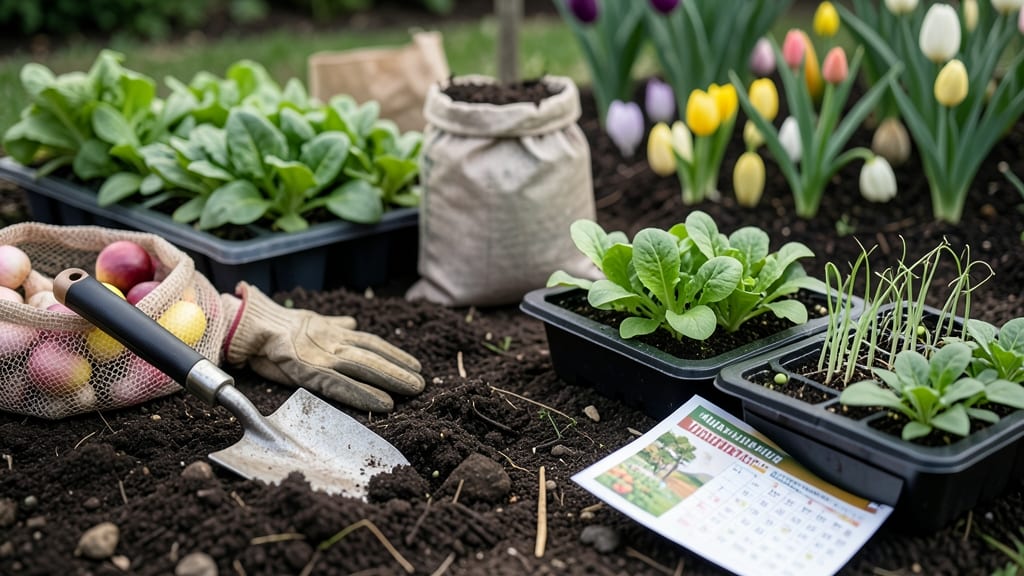
Planting a garden in Missouri means getting the timing right—spring’s last frost can hit as late as April 15, while fall’s first frost arrives by October 15, leaving just 165 frost-free days to work with.
Missouri’s unpredictable frost dates and diverse microclimates can turn gardening into a guessing game—but timing your plantings right means the difference between a bountiful harvest and a sad, wilted disappointment.
Whether you’re sowing cold-hardy peas in early March or waiting for soil to warm to 50°F (10°C) before planting tomatoes, knowing your USDA zone (5b-6a) and local frost patterns is the key to success.
Below, I break down the best planting windows by region, the cold-hardy crops that thrive in Missouri’s early spring, and how to adjust your schedule when Mother Nature throws a curveball.
Missouri’s frost dates & best planting months by region
Missouri spans USDA hardiness zones 5b through 7a, meaning frost dates vary dramatically from north to south. In northern Missouri (Zone 5b), gardeners face earlier last frosts (April 10-15), while southern Missouri (Zone 7a) enjoys later last frosts (April 20-25).
These differences can shift planting windows by 2-3 weeks, so knowing your region’s averages is key to avoiding frost damage.
For most Missourians, the ideal planting window stretches from mid-April to mid-May, but this varies by crop. Cold-hardy vegetables like peas and spinach can go in as early as late March in southern zones, while heat-loving tomatoes and peppers need to wait until after May 1 to avoid late frosts.
Let’s break down the specifics for Missouri’s three major gardening regions.
In St. Louis (Zone 6b), gardeners can start cold-hardy crops like lettuce and radishes as early as late February under row covers, but most warm-season plants like beans and squash should wait until after April 30.
The city’s urban heat island effect can push last frost dates 3-5 days later than rural areas, so always check local microclimates.
For Kansas City (Zone 5b), the shortest frost-free season means prioritizing fast-maturing varieties of vegetables. Plant cool-season crops like broccoli and cabbage in early April, then transition to tomatoes and peppers only after May 15.
Use frost cloths for extra protection if late frosts linger into mid-May.
Southern Missouri’s longer growing season allows for two full harvests in some years. In Springfield (Zone 7a), you can plant warm-season crops like okra and sweet potatoes as early as mid-April and still enjoy harvests into October.
This region also supports fall planting of garlic and onions in October for next year’s harvest.
To adjust your planting schedule, use the 10-day rule: if your region’s average last frost is April 15 but you’re in a warmer microclimate, shift your planting window 10 days earlier.
Conversely, if you’re in a cold pocket, delay by 10 days. Always monitor the Missouri Climate Center’s frost forecasts for real-time adjustments.
For early-season crops, aim to plant 4-6 weeks before your last frost date. Mid-season crops like zucchini and cucumbers need 2-3 weeks after last frost, while late-season crops such as kale and spinach can handle light frosts and should go in 6-8 weeks before first frost.
This staggered approach maximizes your harvest potential.
Pro tip: Mark your calendar with three key dates—your average last frost, first frost, and historical late frost (usually 10 days after average). This helps you plan for succession planting and emergency frost protection.
For example, if your last frost is April 15, plant your first tomatoes on April 25 and have backup seedlings ready for May 10.
Missouri’s diverse microclimates mean
Cold-hardy vegetables that thrive in Missouri’s early spring
Missouri’s early spring can be tricky—chilly mornings and lingering frost often leave gardeners hesitating. But don’t wait too long! Planting cold-hardy vegetables now gives you a head start on the growing season and ensures fresh produce before summer heat arrives.
These resilient crops not only survive frost but often taste sweeter after a cold snap. The key is knowing which varieties to choose and how to protect them from late frosts.
For Missouri’s USDA Zones 5b-6a, early spring planting typically begins in late February to early March, depending on your region. Southern Missouri (like St. Louis) can start slightly earlier, while northern areas (like Kansas City) may need to wait until mid-March.
Always check your local last frost date—usually around April 15—but don’t let it stop you from planting frost-tolerant crops weeks before.
🌱 Top 5 Cold-Hardy Vegetables for Missouri’s Early Spring
- 1. Kale – Plant 4-6 weeks before last frost (Feb-March). Tolerates 25°F and thrives in cool weather. Harvest outer leaves for continuous yield.
- 2. Peas – Sow as soon as soil is workable (Feb-March). Prefers 50-60°F soil temps and benefits from trellising to save space.
- 3. Spinach – Direct-seed 2-3 weeks before last frost (March). Prefers 50-65°F and bolts in heat—harvest before summer arrives.
- 4. Radishes – Fast-growing (25-30 days to harvest). Plant every 2 weeks from March to May for continuous harvests.
- 5. Potatoes – Plant 2-4 weeks before last frost (March). Choose early-maturing varieties like ‘Yukon Gold’ for faster harvests.
💡 Pro Tip: Use row covers or cold frames to extend the season by 2-4 weeks.
Preparing your soil is just as critical as choosing the right plants. Missouri’s clay-heavy soil can compact easily, so amend it with compost or aged manure before planting. Aim for a pH of 6.0-7.0, and mix in organic matter to improve drainage.
For heavy clay soils, consider raised beds or adding sand or peat moss to loosen the texture. Well-drained soil prevents root rot and ensures healthy growth, especially for root crops like radishes and potatoes.
Extending the growing season with row covers or cold frames is a game-changer for Missouri gardeners. A simple frost blanket can protect tender seedlings from 28°F temperatures, while a cold frame (a clear plastic or glass box) can warm soil by 10-15°F.
For peas and spinach, row covers also deter pests like cabbage moths and aphids. Just remember to remove covers during the day in warm weather to prevent overheating.
Don’t overlook succession planting—this technique ensures a steady harvest. For example, sow radishes every 2 weeks from March to May, and plant spinach in two batches: one in early spring and another in late summer for a fall crop.
This approach maximizes your garden space and reduces waste. Pair fast growers like radishes and lettuce with slower crops like kale or cabbage to make the most of your plot.
Missouri’s early spring is your chance to beat the summer rush and enjoy fresh, homegrown vegetables. By planting cold-hardy crops like kale, peas, and radishes at the right time and using simple protective measures, you’ll be feasting on garden-fresh greens long before your neighbors’ tomatoes ripen.
Start small, experiment with varieties, and don’t be afraid to push your planting dates—your future self (and taste buds) will thank you! 🌿