
Planting
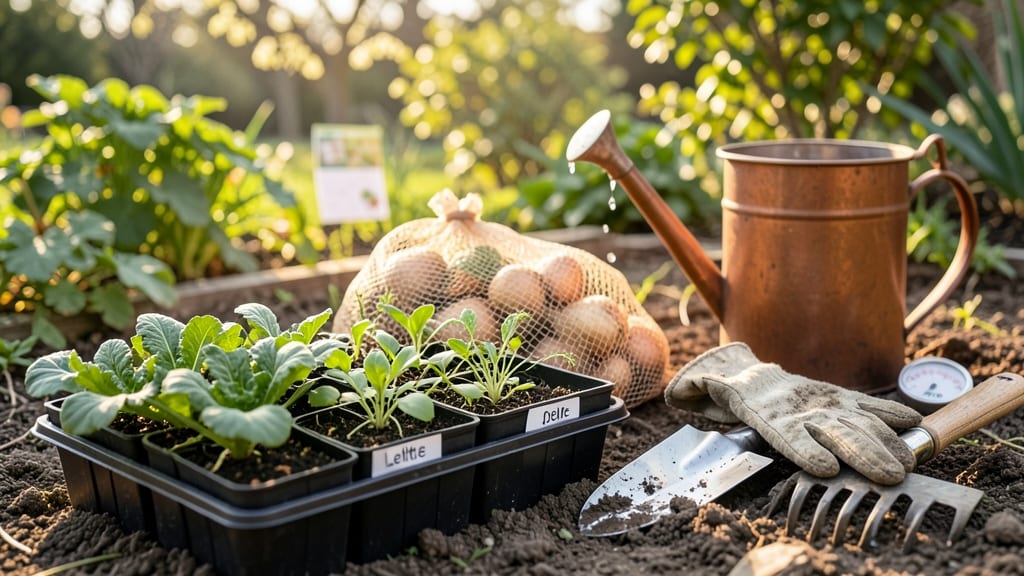
Planting your garden in Missouri at the right time means the difference between a bumper crop and a sad, frost-nipped mess.
Missouri gardeners know timing is everything—plant too early and risk frost damage, too late and miss peak harvests. With Missouri’s unique climate zones and varying frost dates, knowing exactly when to plant each crop can mean the difference between a thriving garden and a disappointing one.
Cool-season crops like spinach and peas need to go in the ground as soon as the soil is workable, often as early as March in southern Missouri. But warm-season favorites like tomatoes and peppers?
They’ll bolt if planted too soon, so wait until after the last frost—usually mid-April in the north and late March in the south.
Below, I break down Missouri’s frost-free dates by region, a month-by-month planting calendar for your top crops, and pro tips to stretch your growing season—because even a few extra weeks can mean more harvests before winter sets in.
Missouri frost dates by region: when to plant cool vs warm-season crops
Missouri's diverse climate creates distinct planting windows across its three main regions—Northern, Central, and Southern. These differences affect cool-season crops like spinach and peas versus warm-season crops such as tomatoes and peppers.
Understanding your USDA Zone (5a-6b) and local frost dates is key to maximizing your harvest.
Northern Missouri (Zones 5a-5b) typically experiences its last spring frost between April 15-30, while the first fall frost arrives as early as October 15. Central Missouri (Zones 6a) averages April 1-15 for last frost and October 20-30 for first frost.
Southern Missouri (Zones 6a-6b) enjoys the longest growing season, with last frosts around March 20-April 5 and first frosts near November 1-15.
Here's how these frost dates translate into planting windows for your garden. Cool-season crops thrive when soil temperatures are below 70°F, while warm-season crops need consistent warmth above 60°F. The difference between regions can mean 2-4 weeks in planting timing.
Missouri's frost-free season varies dramatically by region. Northern areas have only 150-180 frost-free days, while Southern Missouri enjoys 200-220 days.
This variation means gardeners in Southeast Missouri can grow two full crops of warm-season vegetables, while Northern gardeners may only manage one main crop plus a quick succession planting.
The USDA Plant Hardiness Map divides Missouri into five zones, but for planting purposes, we focus on three key regions. Northern Missouri's shorter season requires early-maturing varieties of tomatoes and peppers, while Southern Missouri gardeners can experiment with longer-season varieties like heirloom tomatoes.
For cool-season crops like lettuce, spinach, and peas, Northern Missouri gardeners should start seeds indoors by February 15 and transplant outdoors after the last frost date. In Southern Missouri, you can sow directly in late February for an early spring harvest.
These crops tolerate light frosts (down to 25°F for peas), so don't wait too long to plant.
Warm-season crops like tomatoes, peppers, and cucumbers require soil temperatures above 60°F to germinate properly. In Northern Missouri, wait until May 1 to plant these crops outdoors, while Southern Missouri gardeners can start as early as April 1. For maximum yield, use row covers to protect young plants from unexpected late frosts.
Missouri's microclimates can create significant variations even within regions. Urban areas like St. Louis tend to be 2-3°F warmer than rural areas, extending the growing season by 1-2 weeks. If you're in a warmer microclimate
Best planting schedule for Missouri’s most popular vegetables and herbs
Missouri’s diverse climate zones mean your tomatoes and basil can thrive if planted at the right time. Raised beds warm up faster than in-ground soil, giving you a 2-week head start on spring planting.
For continuous harvests, succession planting is key—especially for lettuce and green beans, which bolt in summer’s heat.
Start by marking your last frost date (typically mid-April in southern Missouri to late April in northern regions). Warm-season crops like zucchini and peppers need soil temperatures above 60°F to germinate. Cool-season crops, such as spinach and kale, can handle cooler temps and even light frosts.
- 🌱 March-April: Plant cool-season crops like lettuce, peas, and spinach 4-6 weeks before last frost.
- 🌿 April-May: Start warm-season crops (tomatoes, peppers) indoors 6-8 weeks before transplanting after last frost.
- ☀️ May-June: Direct-sow beans, corn, and cucumbers after soil reaches 60°F.
- 🌻 June-July: Succession plant basil, bush beans, and carrots for fall harvests.
- 🌱 August-September: Sow cool-season crops again for fall/winter harvests (kale, radishes).
For raised beds, you can plant warm-season crops like tomatoes 2 weeks earlier than in-ground planting. Warm the soil with black plastic mulch or a cold frame to extend the season. Succession planting every 2-3 weeks ensures a steady supply of lettuce or green beans all season.
Missouri’s humidity and heatwaves can stress plants, so mulch heavily to retain moisture. Basil and cucumbers thrive in afternoon shade during summer’s peak heat. Always check your local frost-free date—Kansas City’s last frost is often 1-2 weeks earlier than St. Louis.
Don’t forget herbs like oregano and thyme, which are perennial and can be planted in early spring or fall. They prefer well-draining soil and 6 hours of sun. For continuous harvests, plant lettuce every 3 weeks from spring to early fall.
Adjust your schedule based on microclimates—south-facing beds warm faster, while shady spots may need cool-season crops planted later. With this month-by-month guide, you’ll maximize your Missouri garden’s potential! 🌱