
Planting
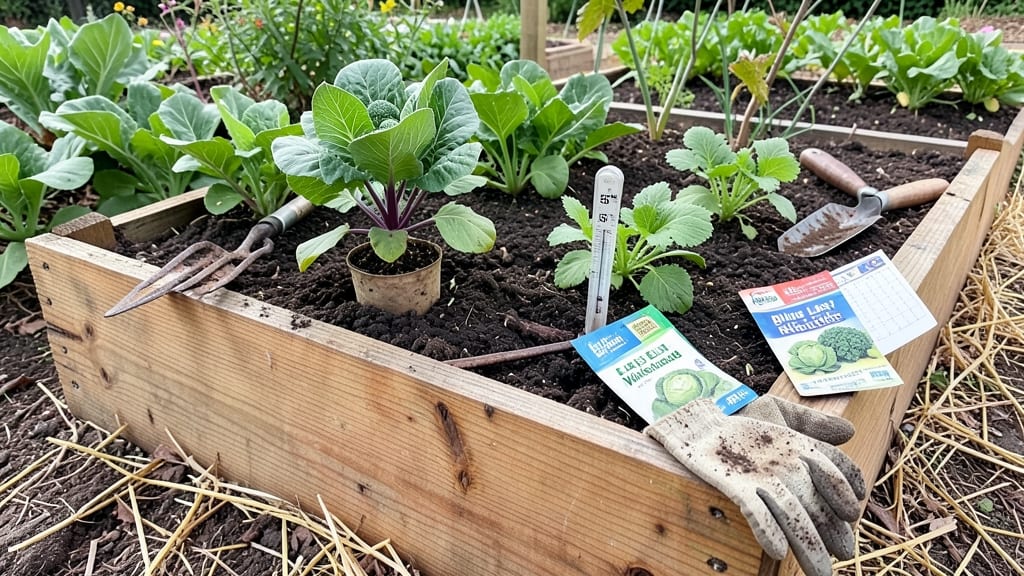
Planting a vegetable garden in Missouri at the right time means the difference between a bountiful harvest and a wasted season—and the key is knowing when to start seeds or set out seedlings based on your region’s frost dates.
Missouri’s unpredictable frost dates can make or break your vegetable garden—plant too early, and you risk losing tender seedlings to late frosts; too late, and your harvest season shrinks. Timing is everything, and mastering Missouri’s frost triggers unlocks bountiful yields year after year.
Cool-season crops like lettuce and peas thrive when planted 4-6 weeks before your last frost, while warm-season favorites such as tomatoes and peppers need to wait until 2-4 weeks after the danger has passed.
In Missouri’s 5b-7a zones, that window shifts from early March in southern regions to late April in the north.
Below, I’ll break down the exact planting windows for your area, how to adjust for microclimates, and the one trick that lets you push your season just a little longer—no matter where you garden in the Show-Me State.
Missouri’s frost dates by region: critical planting windows for vegetables
Missouri’s USDA hardiness zones 5b–7a create dramatic shifts in frost timing across just 300 miles. In northern Missouri, gardeners in zone 5b (like St. Joseph) often wait until April 15 for safe planting, while southern Missouri’s zone 7a (e.g., Cape Girardeau) can start warm-season crops by March 20.
These differences mean the gap between planting zones can be a 3-week window, making regional awareness non-negotiable for success.
Understanding your local last frost date is the cornerstone of vegetable gardening in Missouri. For example, St. Louis (zone 6b) averages its last frost on March 15, while Kansas City (zone 6a) typically sees frost linger until March 25.
These dates dictate whether you’ll start cool-season crops like lettuce or warm-season crops like tomatoes. Planting too early risks frost damage, while waiting too long shrinks your harvest window.
Here’s how Missouri’s frost dates break down by region, with actionable planting windows for your garden:
| Region | USDA Zone | Avg. Last Frost | Cool-Season Planting Window | Warm-Season Planting Window |
|---|---|---|---|---|
| Northern MO (St. Joseph, Kirksville) | 5b | April 15 | March 1–15 (with row covers) | May 1–15 |
| St. Louis Metro | 6b | March 15 | February 15–March 1 | April 15–30 |
| Kansas City | 6a | March 25 | February 20–March 10 | April 10–25 |
| Columbia | 6a | March 20 | February 25–March 5 | April 5–20 |
| Springfield | 6b | April 5 | March 10–25 | April 20–May 5 |
| Southern MO (Poplar Bluff, Cape Girardeau) | 7a | March 10 | January 20–February 15 | March 15–April 10 |
Note: Use row covers or greenhouses to extend cool-season planting by 2–4 weeks in any region.
Cool-season crops like spinach, peas, and broccoli thrive when planted 4–6 weeks before your last frost date. For example, in St. Louis (zone 6b), that means sowing seeds by February 15 for a spring harvest.
These crops tolerate light frosts and even 28°F temperatures, making them ideal for Missouri’s early spring. Lettuce and kale can handle even lighter frosts, while onions and garlic benefit from being planted in fall for spring harvests.
Warm-season crops like tomatoes, peppers, and cucumbers demand soil temperatures above 60°F and should wait until 2–4 weeks after your last frost date. In Kansas City (zone 6a), that translates to April 10–25.
Starting these crops indoors in March gives them a head start, but avoid transplanting outdoors until soil warms. Corn and beans also prefer warm soil and should follow the same timeline, though beans are more frost-toler
Best vegetables to plant in Missouri’s spring and fall seasons
Missouri’s spring and fall seasons offer two prime windows for growing vegetables, but the right crop choices make all the difference. In spring, focus on cool-season vegetables that tolerate light frosts, while fall lets you extend harvests with heat-tolerant varieties that thrive as temperatures drop.
The key is matching each vegetable’s maturity timeline with your region’s frost-free period—typically 150–210 days in Missouri.
For spring planting, prioritize fast-maturing crops like bush beans (50–60 days), radishes (25–30 days), and leaf lettuce (30–45 days). These give you harvests before summer heat sets in.
In fall, opt for kale (50–60 days), carrots (60–80 days), and turnips (50–60 days), which handle cooler temps and even light frosts. Below, I’ve curated a region-tested list of top performers, including underrated Missouri favorites.
| Vegetable | Spring Planting Window | Fall Planting Window | Days to Maturity | Frost Tolerance |
|---|---|---|---|---|
| 'Burpee’s Golden' Sweet Corn | April 15–May 15 | N/A (warm-season) | 60–75 days | None (sensitive) |
| 'Mammoth Melting' Sugar Snap Peas | March 1–April 15 | August 1–September 15 | 60–70 days | Light frost (32°F) |
| 'Black Seeded Simpson' Lettuce | February 20–March 30 | August 1–September 15 | 30–45 days | Moderate (28°F) |
| 'Striped Romanesco' Kale | March 1–April 15 | July 1–August 30 | 50–60 days | Heavy frost (20°F) |
| 'Cherry Belle' Radishes | March 15–April 30 | August 15–September 30 | 25–30 days | Moderate (28°F) |
| 'Tom Thumb' Carrots | April 1–May 15 | July 1–August 15 | 60–70 days | Light frost (28°F) |
Note: Adjust planting dates 2–4 weeks earlier in southern Missouri (zone 7a) and 2–4 weeks later in northern Missouri (zone 5b).
For spring gardens, I recommend starting with direct-sown peas and radishes in early March (with row covers for northern zones). These fast growers give you quick wins before summer heat arrives. In fall, prioritize broccoli and cabbage, which handle cooler temps and even light frosts.
Missouri gardeners swear by 'Waltham 29' cabbage for its 70-day maturity and ability to withstand 25°F temperatures.
Don’t overlook underutilized Missouri favorites like 'Moon and Stars' watermelon, which thrives in summer heat and matures in 80–90 days. For fall, <