
Plants
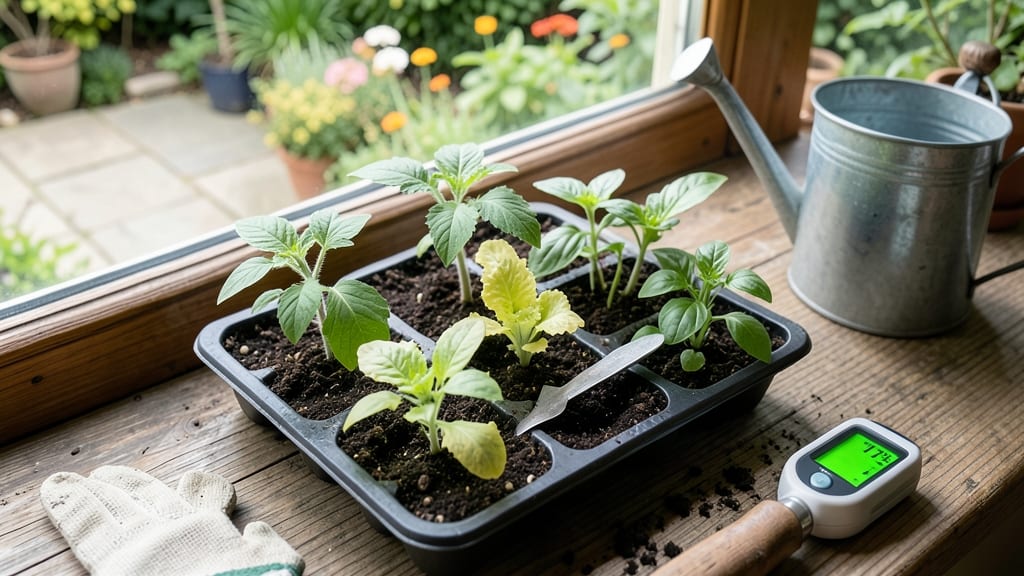
To plant garden plants successfully, timing is everything—get it wrong, and you risk stunted growth or wasted seeds, but nail it, and you’ll enjoy a thriving harvest all season long.
Timing your garden planting wrong can mean wasted seeds, stunted growth, or even total crop failure—but knowing your zone-specific deadlines ensures your zero-frost risk crops thrive from day one.
Whether you’re in a warm Southern climate or a cooler Northern zone, the right planting window makes all the difference.
In USDA Zone 6a, for example, most General Garden Plants 🌱 should go in the ground after your last frost date—around April 15—but heat-sensitive crops like tomatoes need even earlier starts.
Below, I’ll break down the best months to plant by zone, share backup deadlines for late starters, and explain how to adjust for your microclimate—so you can avoid common mistakes and maximize your garden’s potential.
Zone-by-zone planting deadlines for zero-frost risk crops
Timing your garden planting wrong can mean wasted seeds, stunted growth, or even total crop failure—but knowing your zone-specific deadlines ensures your zero-frost risk plants thrive from day one. Heat-sensitive crops like tomatoes, peppers, and cucumbers need precise timing to avoid bolting or poor yields.
Let’s break down the USDA zone-by-zone deadlines so you can plant with confidence, no matter where you live in the U.S.
Your last frost date is the critical benchmark for planting warm-season crops. In Zone 3, this might be early May, while in Zone 10, you’re planting year-round.
Each zone has a 6-8 week window after the last frost to get seeds in the ground before summer heat peaks. For example, tomatoes in Zone 5 need to be planted by June 1 to mature before fall frost, while Zone 8 gardeners can extend planting until July 15.
Here’s a zone-by-zone summary of your planting deadlines for zero-frost risk crops, including adjustments for heat-sensitive varieties like eggplants and okra. Use this as your go-to guide to avoid common mistakes like planting too early (risking frost damage) or too late (missing the harvest window).
In Zones 3-4, where winters are harsh, focus on early spring planting (after May 15) to beat the last frost. Tomatoes and peppers need 60-70°F soil to germinate, so use a soil thermometer to check before sowing.
If your soil is too cold, opt for transplants instead of seeds—they’ll establish faster once temperatures rise.
For Zones 5-6, you have a longer window (until late June), but heat-sensitive crops like eggplant and okra must be planted by June 15. If you miss this deadline, try shade cloth or drip irrigation to protect seedlings from bolting (premature flowering).
In my Zone 6 garden, I’ve had success planting cucumbers in early June under row covers to extend the season.
Gardeners in Zones 7-8 can push planting later, but July 15 is the cutoff for tomatoes and peppers to mature before fall. Use fast-maturing varieties (like ‘Early Girl’ tomatoes) to maximize yields. I’ve also found that succession planting every 2 weeks keeps the harvest going until September.
For Zones 9-10, where frost is rare, plant year-round, but avoid peak summer heat (August) for leafy greens like lettuce.
Pro tip: Adjust for microclimates. If you live in a frost pocket (like a valley), plant 1-2 weeks later than your zone’s average. Conversely, urban heat islands can push planting 1-2 weeks earlier.
Always monitor soil temperature—it’s more critical than air temperature for seed germination. A cheap soil thermometer ($10) is a game-changer for precision planting.
Remember, backup deadlines exist for late starters. If you miss the ideal window, try container gardening (which warms up faster) or extend your season with row covers or cold frames.
For example, in Zone 5, you can still plant bush beans in early July for a late-summer harvest. The key is flexibility—adjust based on your local conditions, not just the zone map.
By following these zone-specific deadlines, you’ll avoid the #1 gardening mistake: planting too early or too late. Whether you’re in freezing Zone 3 or tropical Zone 10, these guidelines ensure your zero-frost risk crops get the perfect start.
Now grab your gloves and get planting—your tomatoes won’t harvest themselves! 🌱
How to adjust planting timing for your microclimate
Your garden's microclimate—those tiny temperature and weather variations—can drastically change when you plant. A coastal garden might have milder winters, while urban heat islands can delay frost.
Even high-altitude areas experience colder soils despite similar USDA zones. Understanding these nuances lets you avoid planting too early or too late, saving seeds and effort.
Start by identifying your garden's unique conditions. Is it nestled in a frost pocket? Does it sit in full sun all day? Does the soil stay cold longer than your neighbors'? These factors often override general planting guides.
For example, tomatoes planted too early in cold soil rot, while spinach bolted in summer heat. Adjusting timing based on your local microclimate ensures healthier, more productive plants.
⚠️ callout warning
Planting warm-season crops like peppers before soil hits 60°F causes rot. Skipping soil temperature checks (use a thermometer!) risks failure. Coastal gardeners often plant 2 weeks earlier than inland zones. Urban areas can be 5-10°F warmer than rural spots—adjust deadlines accordingly.
Use soil thermometers to confirm readiness—warm-season crops need soil at 60°F+, while cool-season crops thrive at 40-50°F. Check temperatures in the morning for accuracy. In high-altitude gardens, soil warms slower; plant 1-2 weeks later than zone guidelines suggest.
For coastal regions, milder winters may allow earlier spring planting—but watch for delayed last frosts in spring.
Extend your growing season with row covers or cold frames. These tools add 4-8°F of warmth, letting you plant 2-4 weeks earlier in spring or 2-3 weeks later in fall.
For example, spinach can grow through light frosts under row covers, while cucumbers tolerate cooler soils when protected. Even urban balconies benefit from mini cold frames to push season limits.
Watch for frost pockets—low areas where cold air settles. These spots frost 2-5 days earlier than higher elevations. If your garden sits in one, delay planting or use frost cloths to protect seedlings.
Conversely, south-facing walls absorb heat, creating microclimates where you can plant 1-2 weeks earlier. Observe your garden for 3 years to spot patterns.
For urban gardeners, pavement and buildings create heat islands. Plant heat-tolerant varieties like Okra or Swiss chard, and water deeply in the early morning to combat stress. In coastal gardens, salt spray can damage plants—choose salt-tolerant species like sea kale or beach grass.
Adjust your planting calendar based on these observations, not just your USDA zone.