
Planting
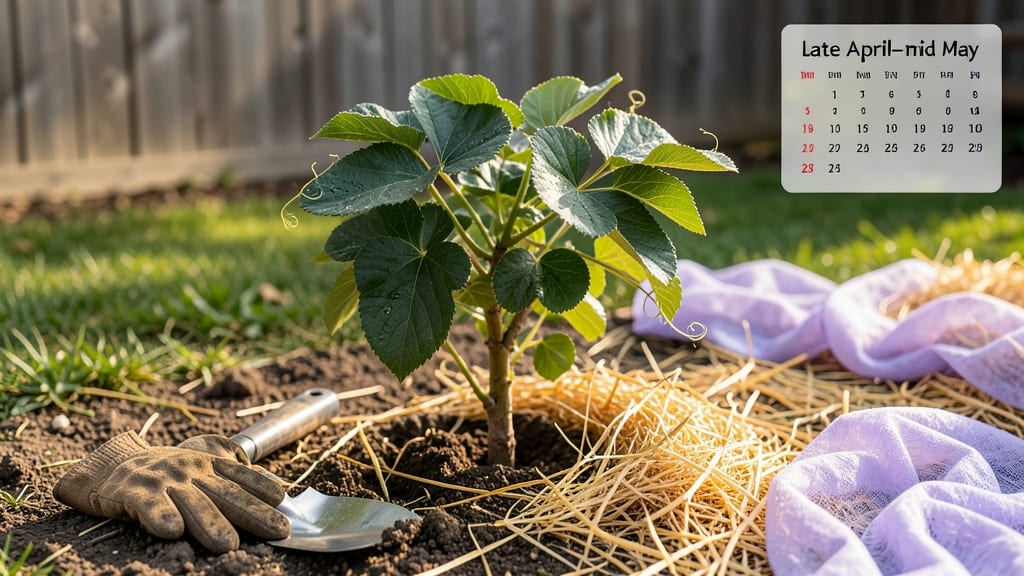
Planting a garden in Wisconsin means timing it just right to beat the late frosts and stretch your harvests as long as possible.
Wisconsin’s unpredictable spring frost and short growing season demand precise timing to maximize your garden’s potential—plant too early, and you risk losing your hard work to late frosts; too late, and you’ll miss peak harvests.
Whether you’re sowing cool-season crops like lettuce or waiting for the soil to warm up for tomatoes, knowing the exact window for your USDA 4b-5b zone is the key to a thriving garden.
Below, I break down the best planting dates by month, how to adjust for Wisconsin’s microclimates, and the fastest way to get your General Garden Plants 🌱 off to a strong start.
Wisconsin planting zones: when to start seeds indoors vs. direct sowing outdoors
Wisconsin’s USDA Plant Hardiness Zones 4b-5b create a unique challenge for gardeners, with Southern Wisconsin (Zone 5b) enjoying slightly longer growing seasons than Northern Wisconsin (Zone 4b). Understanding these zones helps you time seed starting indoors and direct sowing outdoors for optimal success.
Whether you're growing tomatoes, marigolds, or herbs, precise timing prevents frost damage and maximizes harvests.
In Southern Wisconsin, the average last frost date falls around April 25-30, while Northern Wisconsin typically sees its last frost May 10-15. These dates shift your indoor seed starting and outdoor transplanting windows significantly.
For example, peppers and eggplants need a long indoor head start, while lettuce and spinach can often be direct-sown just weeks before the last frost.
| Task | Southern WI (Zone 5b) | Northern WI (Zone 4b) | Notes |
|---|---|---|---|
| Start cool-season crops indoors | Late February - Early March | Early March - Mid-March | Lettuce, spinach, kale, broccoli |
| Start warm-season crops indoors | Mid-March - Early April | Late March - Early April | Tomatoes, peppers, basil, marigolds |
| Direct sow hardy vegetables outdoors | Early April - Mid-April | Late April - Early May | Peas, radishes, carrots, spinach |
| Transplant seedlings outdoors | Mid-May - Early June | Late May - Mid-June | Tomatoes, peppers, herbs, flowers |
| Direct sow warm-season crops outdoors | Mid-May - Early June | Late May - Early June | Beans, cucumbers, squash, zucchini |
| Fall planting window (cool-season crops) | Late July - Early August | Mid-August - Early September | Kale, broccoli, lettuce, radishes |
For Southern Wisconsin gardeners, starting tomato seeds indoors in mid-March gives them a head start before transplanting around May 15. In contrast, Northern Wisconsin gardeners should begin tomato seeds 2-3 weeks later to avoid early frost risks.
Use row covers or cold frames to extend your planting window by 2-3 weeks in both regions.
When direct sowing outdoors, prioritize cold-hardy crops like peas and radishes in early April (Southern WI) or late April (Northern WI). These plants tolerate light frosts and grow quickly.
Avoid planting warm-season crops like cucumbers or melons until soil temperatures consistently stay above 55°F (13°C), usually mid-May or later.
Herbs like basil and cilantro also have distinct timing needs. Basil should never face frost—start it indoors in early April (Southern WI) or mid-April (Northern WI) and transplant after the last frost. Cilantro, however, bolts in heat, so direct sow it in early spring or late summer for a fall harvest.
Pay attention to soil temperature, not just air temperature. Use a soil thermometer to confirm 50°F (10°C) for cool-season crops and 60°F (16°C) for warm-season crops before planting. In Northern Wisconsin, soil may take longer to
Best vegetables and flowers to plant by month in Wisconsin (with frost-resistant picks)
Wisconsin gardeners know timing is everything—especially when frost can strike anytime before May 15. The key to a bountiful harvest lies in planting cold-hardy varieties at the right time and using succession planting to stretch your season.
Whether you're growing tomatoes, zucchini, or marigolds, each month offers unique opportunities to maximize your garden's potential.
For spring planting, focus on frost-resistant crops like peas, spinach, and radishes, which can handle Wisconsin’s chilly soils. By June, warm-season favorites like tomatoes and peppers will thrive, but only if planted after the last frost.
Meanwhile, flowers like marigolds and nasturtiums add color while repelling pests—plant them early to establish roots before summer heat arrives.
- 1
- 2
- 3
- 4
- 5
- 6
Don’t forget succession planting—this technique lets you squeeze in multiple harvests of fast-growing crops like radishes or bush beans. For example, plant a new row of lettuce every 3 weeks from May through July to enjoy fresh greens all summer.
Similarly, marigolds and nasturtiums can be interplanted with vegetables to deter pests naturally.
For flowers, prioritize annuals like marigolds and perennials like coneflowers, which thrive in Wisconsin’s climate. Plant bulbs like tulips in fall for early spring blooms. And if you’re short on space, try container gardening with herbs or compact vegetables like bush beans.
With this month-by-month guide, you’ll avoid the heartbreak of frost damage and enjoy a garden that’s productive from spring to fall. Happy planting! 🌿