
Planting
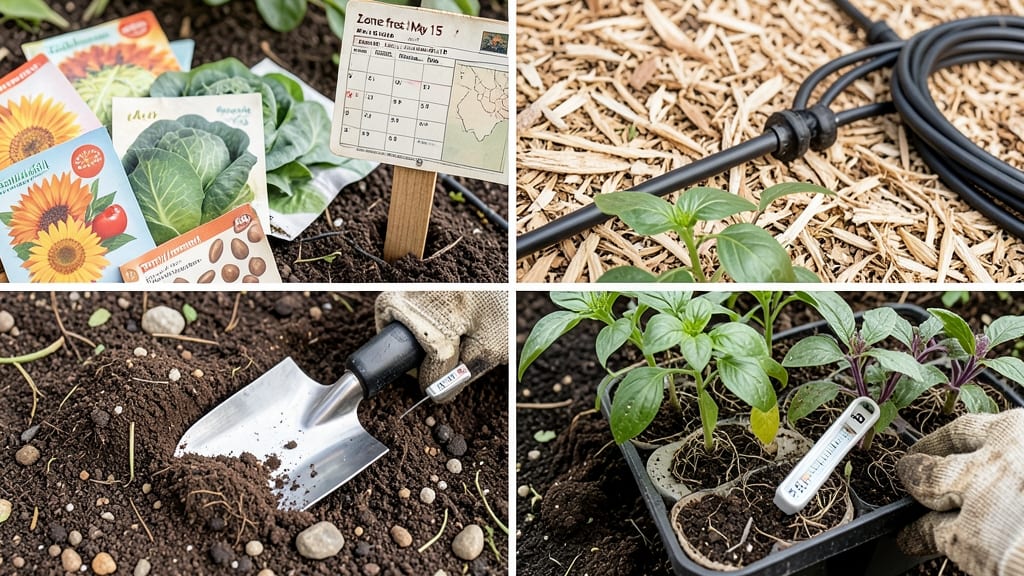
Planting a garden in Colorado at the right time means avoiding frost-killed seedlings or missing peak harvests—timing is everything for zero frost risk crops like tomatoes and peppers.
Colorado’s unpredictable frost dates can make or break your garden—plant too early, and your tender crops will freeze; too late, and you miss peak harvests. Mastering the perfect planting windows for Colorado’s diverse microclimates ensures your tomatoes, peppers, and greens thrive without risk.
From the Front Range’s cooler springs to the Western Slope’s earlier last frosts, each region has its own schedule. Whether you’re in Denver, Colorado Springs, or Grand Junction, knowing your USDA zone and local frost dates is the key to a bountiful harvest.
Below, I break down the exact month-by-month deadlines for cool-season and warm-season crops, plus adjustments for high-altitude gardens and drought-prone areas.
Colorado planting zones explained: frost dates by region (USDA 4-7)
Colorado’s USDA hardiness zones 4–7 create dramatic differences in frost dates, forcing gardeners to adapt planting schedules by region. The Front Range (Denver, Fort Collins) typically sees last frosts in mid-May, while the Western Slope (Grand Junction) warms up 2–3 weeks earlier.
Meanwhile, the Eastern Plains (Pueblo, Lamar) often experience later frosts due to higher elevations and colder nights. Understanding these patterns helps you avoid frost damage to heat-loving crops like tomatoes and peppers.
For warm-season crops, timing is everything—plant too early, and a late frost will kill seedlings. Too late, and you’ll miss peak harvests.
Colorado State University’s frost date data shows that Denver (Zone 5) averages its last frost around May 15, while Colorado Springs (Zone 5) may see frost as late as May 22.
Meanwhile, Grand Junction (Zone 6) often reaches frost-free conditions by April 20, giving gardeners a head start. These differences highlight why local frost records should guide your planting calendar.
Here’s how to use frost dates: Count back 2–4 weeks from your last frost date to prepare soil and start seeds indoors. For example, if your last frost is May 15, begin planting tomatoes and peppers by mid-April under row covers or in a greenhouse. This buffer ensures your seedlings are ready when temperatures stabilize. Always check Colorado Climate Center updates for year-to-year variations.
| Region | USDA Zone | Avg. Last Frost | Plant Warm Crops After | Notes |
|---|---|---|---|---|
| Front Range (Denver, Boulder, Fort Collins) | 5 | May 10–15 | May 20–25 | High elevation delays; use row covers for early starts. |
| Colorado Springs Area | 5–6 | May 15–22 | May 25–June 1 | Dry climate; water deeply after planting. |
| Western Slope (Grand Junction, Fruita) | 6–7 | April 15–20 | April 25–May 5 | Longer growing season; plant early varieties. |
| Eastern Plains (Pueblo, Lamar) | 5–6 | May 5–10 | May 15–20 | Wind exposure; use windbreaks for seedlings. |
| High Altitude (Aspen, Leadville) | 4–5 | June 1–15 | June 20–July 1 | Short season; focus on cold-hardy varieties. |
The Western Slope’s warmer climate (Zones 6–7) lets gardeners plant peppers and tomatoes as early as late April, while high-altitude areas (Zones 4–5) may not be frost-free until June.
This variance means succession planting is key—start seeds indoors in March for early crops, then follow up with direct sowing after your last frost. For example, in Denver, plant cool-season crops (spinach, kale) in early spring and warm-season crops (beans, cucumbers) after May 20.
Microclimates add another layer of complexity. Urban areas like Denver can be 5–10°F warmer than rural zones due to the heat island effect, while mountain valleys (e.g., Parker) may experience earlier frosts. Always scout your yard for frost pockets—low-lying areas or north-facing slopes where cold air settles. If you’re unsure, use frost-sensitive plants like basil or petunias as early warning systems; if they die overnight, delay planting.
For tomatoes and peppers, aim to transplant seedlings 1–2 weeks after your last frost when soil temperatures reach at least 60°F. Use black plastic mulch to warm the soil faster, especially in Zone 5 areas.
In Grand Junction, you might plant early varieties by April 20, while Denver gardeners should wait until May 25. Always check Colorado State University Extension for localized frost alerts—their Colorado Climate Center provides real-time updates to help you adjust.
First frost dates also dictate when to harvest or protect late-season crops. In Zone 5, expect the first frost September 15–October 1, so plan to harvest peppers and squash before then or use row covers to extend the season. In Zone 6 (Grand Junction), you might enjoy fall harvests until November 1. Knowing these dates helps you time plantings for continuous harvests—start cool-season crops (lettuce, radishes) 6–8 weeks before your first frost for a fall garden.
If you’re new to Colorado gardening, start small with frost-hardy crops like kale, carrots, and peas in early spring. These tolerate light frosts and buy you time to establish your garden.
For warm-season crops, container gardening is a lifesaver—pots warm up faster and can be moved indoors if frost threatens. My personal trick?
Use clear plastic domes over seedlings to trap heat and protect them from late spring frosts, which are common even after the "official" last frost date.
Remember: **Colorado
Zero-frost-risk planting calendar: month-by-month deadlines for Colorado gardens
Colorado’s short growing season and variable frost dates demand precision timing. Unlike coastal regions, our high-altitude microclimates create dramatic differences—Boulder’s last frost can arrive 2 weeks later than Fort Collins.
The key? Planting 30 days before your area’s average last frost date ensures zero risk to tender crops like tomatoes and peppers.
For cool-season crops (spinach, kale, broccoli), aim for 60 days before your first expected frost. Warm-season plants (beans, cucumbers, squash) need soil temperatures above 60°F—a threshold reached 2–4 weeks earlier in Denver than in Grand Junction.
Use these month-by-month deadlines to align your planting with Colorado’s unique climate patterns.
- 1 March 1–15: Start cool-season crops indoors (lettuce, peas). Harden off 6 weeks before last frost date.
- 2 April 1–30: Plant hardy greens (spinach, kale) outdoors 4–6 weeks before last frost. Use frost cloth for high-altitude areas.
- 3 May 1–15: Warm up soil with black plastic mulch 2 weeks before planting tomatoes/peppers. Monitor soil thermometer (target: 60°F+).
- 4 May 16–31: Plant warm-season crops (beans, cucumbers) after last frost. Succession plant every 2 weeks for continuous harvests.
- 5 June 1–15: Direct-sow heat-loving crops (okra, sweet potatoes). Mulch heavily to retain moisture in dry Colorado soils.
- 6 July–August: Plant fall greens (radishes, turnips) 8–10 weeks before first frost. Use shade cloth for late-season heat protection.
High-altitude adjustments are critical: In Boulder (USDA Zone 6a), wait until May 20 for warm-season crops, while Fort Collins (Zone 5b) can plant 2 weeks later. Always check local frost data from CSU Extension—their 30-year averages account for Colorado’s unpredictable weather patterns.
Extend your season with 30-day pre-planting prep: Test soil pH (6.0–7.0 ideal), add compost, and install drip irrigation. For high-altitude gardens, row covers can push planting dates 2–3 weeks earlier without risk. Start your cool-season crops indoors in February to maximize harvests before winter sets in.
Pro tip: Use succession planting for beans and lettuce—sow new seeds every 2 weeks to ensure a steady supply. In drought-prone areas like the Western Slope, mulch 3–4 inches deep to lock in moisture. With these deadlines, you’ll avoid frost damage and maximize Colorado’s short growing season.