
Planting
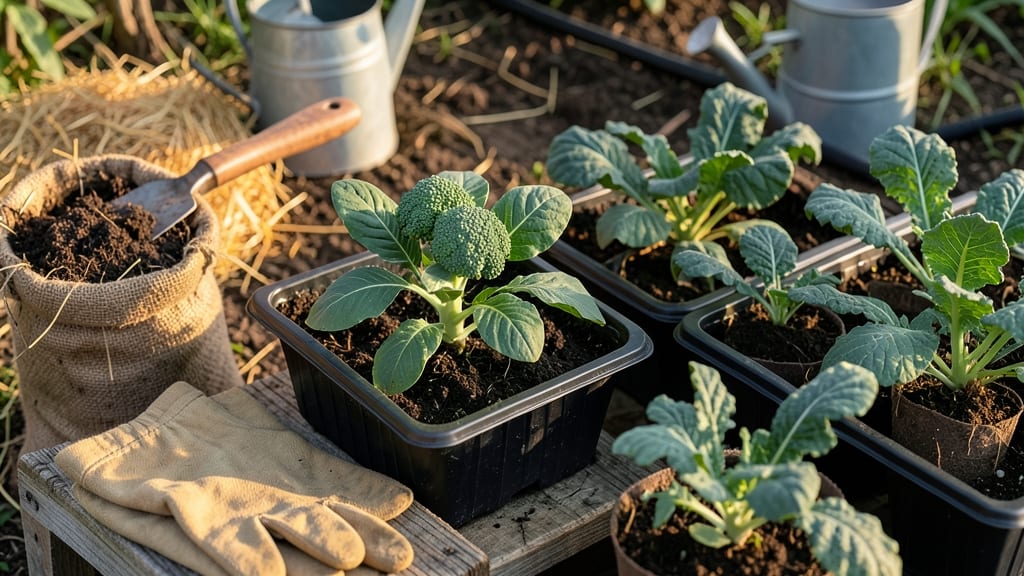
Planting a fall garden in Texas means timing your seeds and transplants to beat the first frost—usually between mid-November and January, depending on your zone.
Texas gardeners know the fall season is a golden opportunity to grow thriving crops—if you plant at the perfect time. Get your timing wrong, and you’ll risk frost damage or stunted growth before you even harvest.
In zones 8a-10b, the ideal window is late summer to early fall, but the exact dates shift from North Texas (where frosts arrive earlier) to South Texas (where mild winters stretch the season). A well-planned fall garden can yield leafy greens, root vegetables, and herbs even as temperatures dip.
Below, I break down the zone-specific deadlines, the best crops for your area, and the simple soil and watering tweaks that make all the difference in a Texas fall harvest.
Texas fall planting deadlines by hardiness zone (avoid frost damage)
Timing your fall garden in Texas means the difference between a bountiful harvest and frost-killed seedlings. The Lone Star State spans USDA zones 8a-10b, each with unique frost risks.
In North Texas (8a-9a), first frosts can hit as early as November 15, while South Texas (9b-10b) often enjoys frost-free growing until January. Missing these deadlines risks stunted growth or total crop failure.
For frost-sensitive crops like tomatoes, peppers, and basil, your last chance to plant is 6-8 weeks before your zone’s first frost. In Central Texas (9a), that’s mid-September for most varieties, but North Texas gardeners must start by early August to avoid winter chill.
Let’s break down your zone’s exact deadlines to maximize your harvest.
In North Texas (8a), where frosts arrive earliest, prioritize fast-maturing varieties like bush beans or cherry tomatoes.
These crops can reach harvest in 50-60 days, giving them time to mature before November’s chill. Dallas gardeners should also consider staggered plantings—sow a second batch of seeds in late August for a two-week harvest window before frost.
For Central Texas (9a), like Austin’s hill country, you’ve got a little more flexibility. Okra and sweet potatoes thrive when planted in late August, while leafy greens like kale can handle cooler temps.
Use row covers to push your harvest into early December if needed. Avoid planting frost-sensitive crops after September 15, or they’ll struggle to mature before winter.
In South Texas (9b-10b), where first frosts rarely arrive before January, you can extend your growing season dramatically. Houston gardeners often harvest peppers and herbs well into December, while San Antonio’s longer growing window allows for two full harvest cycles—one in fall and another in early spring.
Take advantage of this by planting slow-growing crops like broccoli or cauliflower in late September.
Pro tip: Monitor local frost alerts using tools like the National Weather Service or Texas A&M AgriLife
Best fall crops for Texas gardens and their planting schedules
Fall gardening in Texas offers a second chance to grow fresh produce without summer’s brutal heat. The key is selecting cold-hardy crops that thrive in 50-70°F temperatures and timing your plantings to avoid early frosts.
In Texas zones 8a-10b, you can enjoy harvests well into December with the right strategy.
Texas’s diverse climate means North Texas (8a) faces earlier frosts than South Texas (10a). For example, Dallas may see frost by mid-November, while Houston can garden until January. The secret to success? Staggered planting—sowing seeds every 2-3 weeks ensures a continuous harvest.
- 🌱 Late August: Start warm-season holdovers like tomatoes and peppers in North Texas (8a) to harvest before frost. South Texas (10a) can plant until mid-October.
- 🥬 Mid-September: Sow leafy greens (kale, spinach, lettuce) and root veggies (carrots, beets) for a 60-day harvest. Use row covers to extend season by 2-4 weeks.
- 🌿 Early October: Plant broccoli, cauliflower, and cabbage for a late-fall harvest. These thrive in cooler temps and tolerate light frosts (28°F).
- 🍃 Mid-October: Add herbs like cilantro and parsley for a fresh flavor boost. These bolt quickly in heat but love fall’s cooler air.
- 🌻 November: For South Texas (9a-10a), plant turnips and radishes—fast-growing crops that mature in 30-40 days.
To maximize your fall garden, focus on succession planting. For example, sow lettuce every 10 days from September to October. This ensures you always have fresh greens while older plants mature. Cold frames or low tunnels can push harvests even later, protecting crops from light frosts (28-32°F).
Don’t overlook herbs and microgreens—they’re perfect for fall. Cilantro and dill grow quickly in cool weather, while microgreens like radish or pea shoots mature in just 10-14 days. These are ideal for container gardens or small spaces.
For root vegetables, prioritize carrots, beets, and turnips. Loosen clay-heavy Texas soil with compost before planting to prevent forked roots. Water consistently—1 inch per week—to keep soil moist but not soggy.
Pro tip: Use mulch (straw or leaves) to insulate soil and retain moisture. This is especially critical in North Texas (8a), where nights can drop quickly. A 3-inch mulch layer keeps roots warm and reduces watering needs by 30%. 🌱