
Planting
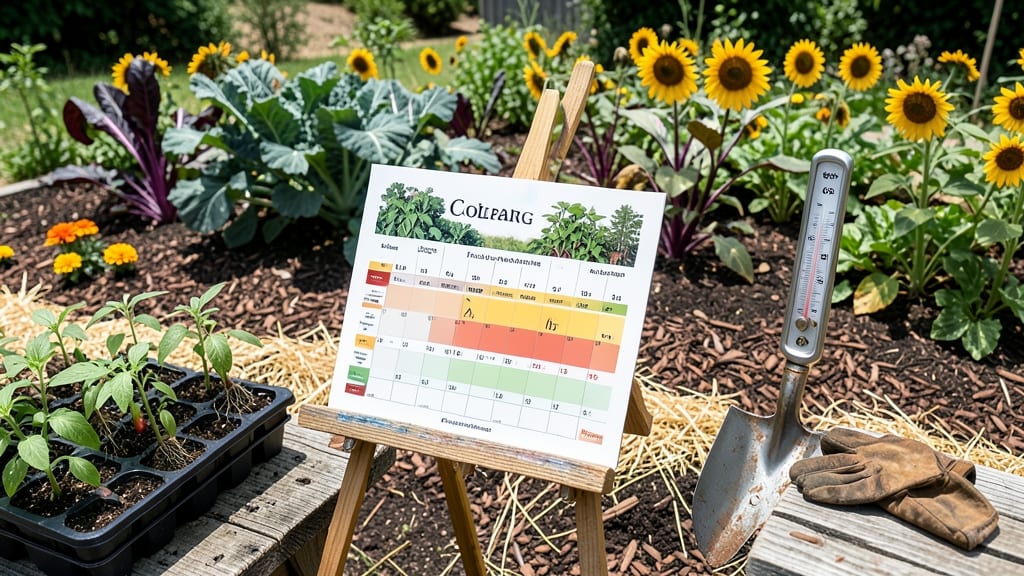
Planting your garden in Colorado at the right time means the difference between a thriving harvest and frost-nipped dreams 🌱 — and the exact window shifts wildly from the Front Range to the Western Slope.
Colorado’s dramatic elevation swings mean your tomatoes could freeze before fruiting if you plant too early, or bolt into flower if you wait too long. Even within the same county, a neighbor’s microclimate might be two weeks ahead of yours.
Below, I break down the precise planting deadlines for your elevation zone—whether you’re in Denver’s Zone 5, the high-altitude chill of Zone 4, or the warmer pockets of Zone 6.
You’ll learn how to time seeds indoors, when to direct-sow outdoors, and the one trick that lets you push your growing season by 30 days—without risking a late frost.
Colorado planting zones by elevation: when to start seeds indoors vs. direct-sow outdoors
Colorado’s elevation ranges from 3,300 feet on the Eastern Plains to over 14,000 feet in the mountains, creating wildly different planting windows.
At 5,000 feet (common in Denver), your last frost typically arrives April 15–May 1, while at 10,000 feet (like Aspen or Leadville), frosts linger until May 20–June 1. These shifts mean your tomatoes or peppers might thrive in one zone but shiver in another.
Understanding these zones helps you decide whether to start seeds indoors (for heat-lovers like jalapeños) or direct-sow outdoors (for cold-hardy kale or potatoes). Below, I’ll break down the key timelines for Colorado’s most common elevation bands—plus how to adjust for your local microclimate.
At 5,000 feet, you can push the envelope with heat-loving crops like jalapeños or watermelons by starting seeds indoors in early March. These plants need a long, warm season—typically 90–120 days—so timing is critical.
For example, if your last frost is April 30, sow pepper seeds by March 15 to ensure they’re ready for transplanting after the frost.
Conversely, cool-season crops like kale, spinach, and potatoes thrive when direct-sown as soon as the soil is workable—often 2–4 weeks before your last frost. At 10,000 feet, this might mean waiting until mid-May, but the payoff is hardier plants that tolerate late frosts.
For instance, Yukon Gold potatoes can handle 32°F soil temps, making them ideal for high-altitude gardens.
One of my biggest mistakes early on was treating all of Colorado like the Front Range.
In Zone 6 (e.g., Colorado Springs), you can direct-sow tomatoes by May 15, but in Zone 4 (e.g., Grand Junction), you’ll need to wait until June 1—or risk losing your plants to a late frost.
Always check local Almanac frost dates and adjust by 1–2 weeks based on your microclimate.
For high-altitude gardens (above 8,000 feet), focus on short-season varieties of heat-lovers. For example, ‘Early Girl’ tomatoes (60–70 days to maturity) are safer than ‘Beefsteak’ (85+ days).
Pair these with fast-maturing greens like ‘Early Wonder’ peas (55 days) to maximize your harvest before the first frost, which can hit as early as September 15 in mountain zones.
If you’re growing melons or squash, prioritize direct-sowing after your last frost—these plants hate transplants and bolt (flower prematurely) in cool soil. At 5,000 feet, aim for late May plantings, while at 10,000 feet, wait until early June.
Use black plastic mulch to warm the soil faster and extend the season by 2–3 weeks.
Don’t overlook fall planting, especially in lower elevations. In Zone 7–8 (e.g., Pueblo, Colorado Springs), you can direct-sow spinach or radishes as late as August 15 for a winter harvest. At higher elevations, stick to cold-hardy crops like gar
Microclimate hacks: how to extend Colorado’s growing season for earlier/later planting
Colorado’s unpredictable frost dates and elevation-driven microclimates can shrink your growing season—but smart gardeners use these tricks to push the limits. Whether you're in Denver’s urban heat islands or the high-desert plains, extending your season means more harvests and fewer wasted seeds.
The key? Understanding how to protect plants from wind and trap heat when nature tries to shut you down.
I’ve tested these methods in my own Zone 5b garden, and they’ve added 3-4 weeks to both spring and fall planting windows. For example, my tomatoes now thrive in containers moved under row covers until mid-May, while kale stays crisp through October with low tunnels.
The trade-off? Some methods require upfront investment, but the payoff—longer harvests and hardier plants—is worth it.
🌱 5 Proven Ways to Extend Your Colorado Growing Season
- Cold Frames: Add 10-15°F warmth to soil—perfect for early spinach and late carrots. Use clear plastic or glass to trap sunlight.
- Row Covers: Lightweight fabric blocks wind chill and insects. Stake securely to avoid tomato blight from trapped moisture.
- Windbreaks: Plant tall sunflowers or use bamboo fencing to shield delicate peppers and cucumbers from CO’s afternoon gusts.
- Black Plastic Mulch: Warms soil 5-8°F faster than bare earth—ideal for melons and squash in short seasons.
- Hoop Houses: Mini greenhouses extend fall planting by 6+ weeks. Vent on warm days to prevent fungal diseases.
Not all crops play nice with these hacks. Heat-lovers like peppers and eggplants need consistent warmth, so I only push them with row covers in Zone 6+. Meanwhile, cool-season crops like broccoli and lettuce thrive under cold frames even in Zone 4.
The risk? Overheating plants in black plastic mulch during 90°F days—always monitor soil temps with a thermometer.
Urban gardeners in Denver or Colorado Springs have an advantage: heat islands can add 2-3 weeks to your season. I’ve seen tomatoes ripen 10 days earlier in paved areas vs. rural plots. To maximize this, plant heat-tolerant varieties like ‘Heatmaster’ tomatoes and ‘Early Girl’ peppers.
For high-desert areas (Grand Junction, Fort Collins), focus on drought-resistant crops like Swiss chard and quinoa under low tunnels.
Timing is everything. Start cold frames in late March for early greens, but remove them by mid-June to avoid overheating. For fall, install row covers by September 1st to protect spinach and radishes from early frosts.
My biggest lesson? Document your microclimate—track temps, winds, and harvest dates for 2 years to refine your strategy. Last year, my Zone 5b garden produced tomatoes until Thanksgiving using these tricks!
Ready to test these hacks? Start with one method—like row covers for broccoli—and expand next year. The goal isn’t perfection; it’s pushing your garden’s limits without breaking the bank. Your future self (and your dinner table) will thank you. 🌱