
Tools
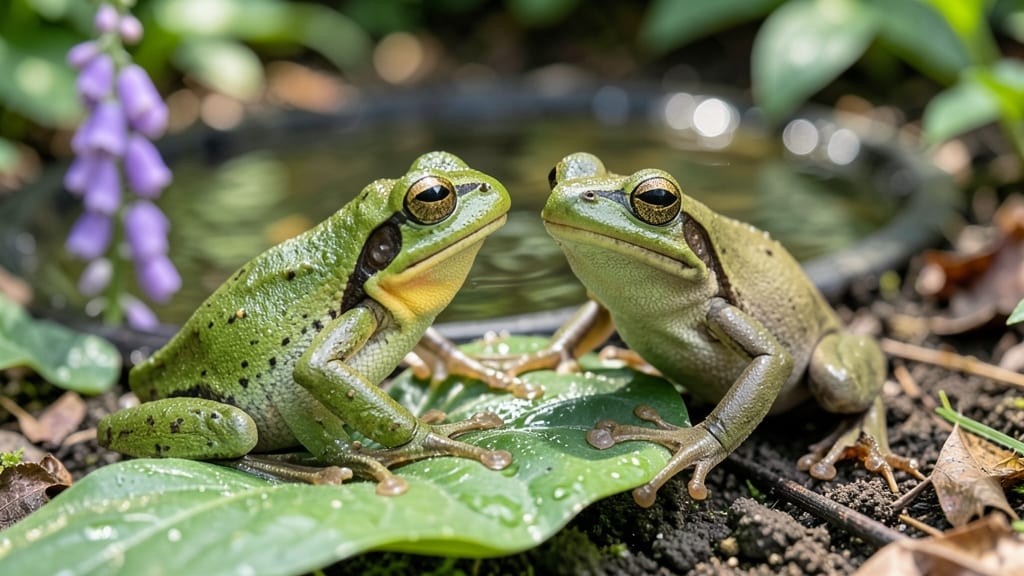
Are frogs in a garden good or bad? They're beneficial because they naturally control pests like slugs, beetles, and mosquitoes while being low-maintenance, though they might compete with birds for food or leave small droppings in planting areas.
Frogs act as natural pest controllers by feasting on insects that damage plants, like aphids and caterpillars. 🐸 Their presence often means fewer chemical pesticides are needed, creating a healthier ecosystem. However, their hunting habits might occasionally overlap with birds, and their droppings—though minimal—can sometimes appear in garden beds.
The key is balancing their benefits with these minor drawbacks by designing a habitat that supports them without causing disruptions.
To maximize their advantages, consider adding shallow water sources or dense ground cover where they can hide and hunt. This approach turns frogs from occasional visitors into regular, helpful residents who keep your garden thriving with minimal effort.
💡 In This Article
- How Frogs Control Garden Pests Naturally
- Creating a Frog-Friendly Garden Environment
How frogs control garden pests naturally
Frogs are nature's pest control specialists, primarily targeting insects that wreak havoc in gardens. Their diet includes slugs, beetles, mosquitoes, and flies, which they hunt with remarkable efficiency. A single frog can consume 50-100 insects per hour, especially during warm evenings when these pests are most active.
Their sticky tongues can strike with 0.07 seconds of reaction time, making them faster than many garden predators. 💫
The seasonal impact of frogs is significant—spring and summer bring peak activity when insect populations explode. Studies show gardens with frog populations experience 30-50% fewer pest-related plant damages compared to gardens without them.
Their hunting doesn't stop at insects; they also target soft-bodied pests like caterpillars and snails, which are particularly destructive to vegetables and flowers. This natural control reduces the need for chemical pesticides, creating a healthier ecosystem for both plants and beneficial insects.
What makes frogs particularly effective is their hunting strategy. They use a combination of visual cues, sound detection, and ambush tactics. Many species prefer to sit motionless near water sources, waiting for prey to come within striking distance.
Their presence often indicates a balanced ecosystem where other predators like birds and lizards also thrive. Unlike some garden solutions, frogs don't require any maintenance—they simply need the right environment to establish themselves.
However, their impact isn't always perfectly balanced. While they're excellent at controlling pests, they may occasionally compete with birds for food, particularly during droughts when insect populations decline. Their diet can shift to include smaller birds' eggs or hatchlings in extreme cases, though this is rare in well-balanced gardens.
The key is understanding that frogs are part of a larger food web—their presence supports the entire garden ecosystem while providing targeted pest control.
One fascinating aspect of their pest control is their role in mosquito reduction. Frogs are particularly effective at consuming mosquito larvae in standing water, which can reduce adult mosquito populations by up to 90% in some cases.
This makes them invaluable allies for gardeners who also want to minimize mosquito breeding grounds. Their natural hunting habits create a ripple effect throughout the garden, promoting biodiversity without human intervention.
The ecological benefits extend beyond pest control. Frogs serve as an indicator species—their presence suggests a healthy environment with clean water sources and abundant prey. Their croaking calls at night also contribute to the garden's natural soundtrack, signaling a thriving ecosystem.
For gardeners seeking sustainable solutions, frogs represent one of the most effective and low-maintenance options available.