
Shrubs
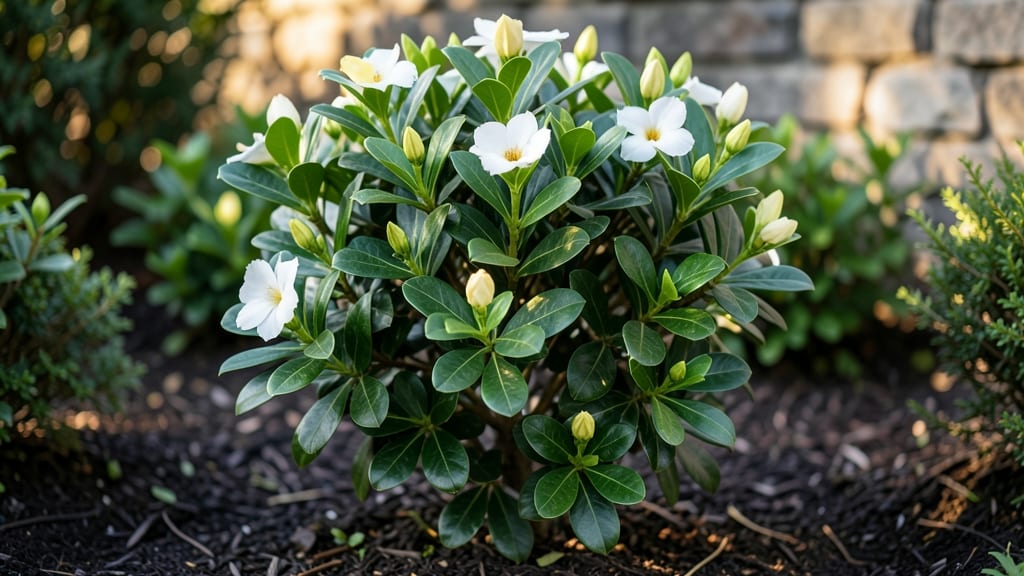
A frost-proof gardenia hedge thrives in colder climates by selecting cold-hardy varieties like Gardenia jasminoides 'Kleim's Hardy' (Zone 7) or 'Radicans' (Zone 8), combined with winter mulching and wind protection to survive light freezes.
A frost-proof gardenia hedge isn't just about picking the right plants—it's about creating the perfect growing conditions to help them brave winter. 🌿 Cold-hardy varieties like 'Kleim's Hardy' can handle temperatures down to 5°F, but they still need protection from harsh winds and freezing soil.
I've seen gardeners in Zone 6 successfully grow these hedges by combining winter mulching with burlap wraps around the base, which adds an extra layer of insulation. The key is to start preparing in early fall, giving the plants time to adjust before the first frost hits.
What sets these hardy gardenias apart is their ability to rebloom after a cold snap, unlike their tropical cousins that often struggle with temperature drops. This makes them a fantastic choice for gardeners who want that classic gardenia fragrance without the constant worry about winter damage.
Just remember—even the toughest varieties need well-draining soil and regular care throughout the growing season to build their resilience for winter.
💡 In This Article
- Cold-Hardy Gardenia Varieties for Hedges
- Winter Care Strategies for Frost-Resistant Gardenia Hedges
Cold-hardy gardenia varieties for hedges
The secret to growing gardenias in colder climates lies in selecting varieties specifically bred for frost resistance. Unlike traditional tropical gardenias that typically thrive only in Zones 9-11, cold-hardy varieties like Gardenia jasminoides 'Kleim's Hardy' can survive down to 5°F (-15°C), making them perfect for Zones 7-8.
This variety produces 2-inch white blooms with a strong, sweet fragrance from late spring through summer, similar to its tropical cousins but with much tougher stems and foliage.
Another excellent option is 'Radicans', which handles 10°F (-9°C) temperatures and grows as a compact shrub reaching 3-4 feet tall. Its glossy dark green leaves provide year-round interest, while its blooms appear slightly later than 'Kleim's Hardy'—typically in June through August.
For gardeners in Zone 8, 'August Beauty' is another top choice, offering larger 3-inch flowers that bloom from July to frost, extending the flowering season compared to earlier varieties.
What makes these cold-hardy gardenias different is their genetic adaptation to cooler temperatures. Their cell membranes contain higher levels of unsaturated fats, which remain fluid at lower temperatures—preventing the cellular damage that kills tropical varieties.
This adaptation allows their roots to continue functioning even when soil temperatures drop to 35°F, a threshold where tropical gardenias would suffer irreversible damage.
When comparing these varieties to tropical gardenias, you'll notice several key differences. Tropical gardenias have thinner, more delicate stems that can't support heavy snow or ice, while cold-hardy varieties develop thicker, woody stems that can withstand 1-2 inches of snow accumulation.
Their foliage also tends to be slightly smaller and tougher, reducing the risk of wind damage during winter storms. The fragrance intensity remains comparable, though some gardeners report a slightly more citrusy note in the cold-hardy varieties.
For hedge formation, 'Kleim's Hardy' and 'Radicans' are ideal choices because they naturally grow in a bushy, rounded shape when pruned regularly. Plant them 3-4 feet apart to allow for mature width of 4-5 feet, creating a dense, fragrant barrier.
Their slower growth rate compared to tropical varieties means you'll need to be patient—full hedge maturity typically takes 3-5 years—but the winter resilience makes it worthwhile.
One important consideration is that while these varieties are frost-resistant, they still require protection from prolonged sub-freezing temperatures (below 5°F) and harsh winds. The key difference is that they'll recover from brief cold snaps, whereas tropical gardenias would suffer permanent damage.
This makes them far more reliable for gardeners in marginal climates where winter temperatures fluctuate.