
Tools
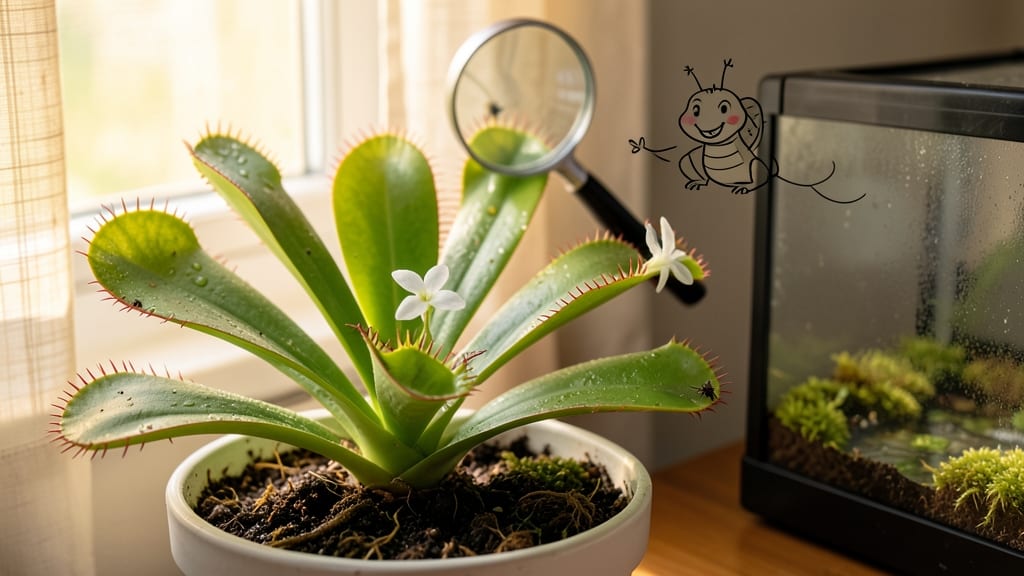
Fun facts about gardening reveal nature's hidden quirks, like sunflowers tracking the sun daily (heliotropism), tomatoes being botanically classified as fruits, and marigolds being bees' favorite flowers for their pest-repelling properties. These surprising truths transform your garden into a living science experiment.
Gardening isn't just about green thumbs—it's a playground of botanical surprises. 🌱 Did you know that some plants communicate underground through fungal networks called "wood wide web"? Or that carnivorous plants like Venus flytraps can digest insects in just 10 minutes?
These behaviors aren't just fascinating; they can actually improve your garden's health. For example, planting sunflowers facing east maximizes their energy absorption, while marigolds naturally deter pests without chemicals. Even weeds have tricks—dandelions can grow up to 12 inches in a single day under ideal conditions!
What makes these facts even more valuable is how they translate into practical gardening strategies.
Understanding plant behaviors helps you create more efficient layouts, choose companion plants that support each other, and troubleshoot problems before they start. 💫 For instance, knowing that beans fix nitrogen in the soil explains why they're the perfect companion for struggling tomatoes.
The more you dig into these hidden truths, the more your garden becomes a self-sustaining ecosystem rather than just a decorative space.
💡 In This Article
- Science-Backed Secrets Behind Plant Behaviors
- Unexpected Plant Myths and Misconceptions Debunked
Science-backed secrets behind plant behaviors
Sunflowers' heliotropism isn't just a charming quirk—it's a solar-powered survival strategy. Young sunflower buds rotate 15-20 degrees per hour during daylight, tracking the sun from east to west. This behavior maximizes photosynthesis by increasing leaf exposure to sunlight by up to 40% per day.
The mechanism involves specialized stem cells that grow faster on the shaded side, creating a slow but deliberate movement. 🌻 What's fascinating is that mature sunflowers stop this daily dance and face east permanently, ensuring they capture morning sunlight when it's most intense.
Carnivorous plants like Venus flytraps use a three-stage digestion process that unfolds in minutes. When triggered by prey touching sensitive hairs twice within 20 seconds, the trap's lobes snap shut in 0.1 seconds—faster than a human blink.
Digestive enzymes then break down the insect's proteins, with the entire process completing in 10 minutes to 12 hours depending on the prey size. This rapid digestion explains why these plants thrive in nutrient-poor environments like bogs, where they can process up to 3-5 insects per month during peak season.
Plants communicate through a hidden network called the "wood wide web," where roots connect via mycorrhizal fungi. These fungal threads transfer nutrients, water, and even chemical warnings between plants.
For example, when a tree detects aphid attacks, it releases warning signals through the network that trigger neighboring plants to produce defensive chemicals. 🌱 This symbiotic relationship explains why some garden plants grow better when planted in groups—like the classic "three sisters" combination of corn, beans, and squash—which support each other's growth through this underground communication system.
The roots of some plants, like the desert shrub creosote bush, can live for 11,700 years—making them among the oldest living organisms on Earth. These ancient root systems connect genetically identical clones that spread via underground stems, creating what scientists call "genetically identical organisms" that share resources.
In your garden, you might notice similar behaviors in strawberry plants that spread via runners or asparagus crowns that persist for decades, demonstrating nature's long-term investment in survival strategies.
Even weeds have sophisticated survival tactics. Dandelions can grow 12 inches in just 24 hours under ideal conditions, thanks to their deep taproots that store water and nutrients. Their bright yellow flowers also serve as solar panels, converting sunlight into energy with 90% efficiency—far surpassing many cultivated crops.
This resilience explains why dandelions thrive in disturbed soils and why they're often the first plants to appear in spring, making them nature's original garden pioneers.
Understanding these behaviors transforms gardening from a hobby into a science. For instance, knowing that marigolds release limonene—a compound that repels nematodes—explains why they're called the "poor man's pesticide."
Similarly, recognizing that beans fix nitrogen in the soil helps you create natural fertilizer systems. 🌿 These insights turn your garden into a dynamic ecosystem where every plant plays a role in the bigger picture of growth and survival.