
Fertilization
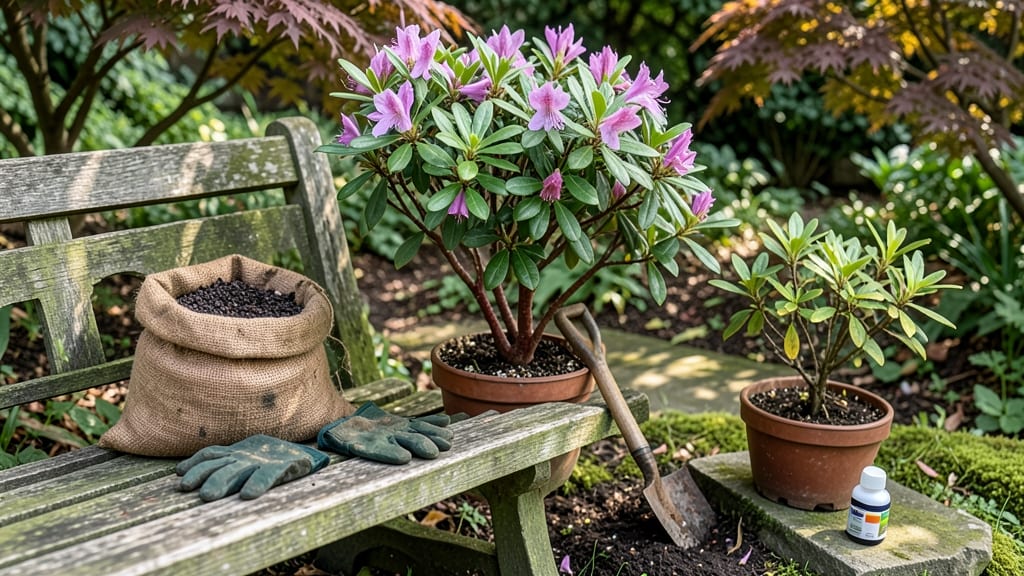
Incorporating coffee grounds in gardening soil boosts nitrogen levels, enhances water retention, and draws earthworms—but must be used carefully to prevent excessive acidity or fungal growth. Apply sparingly and compost first for optimal results.
Coffee grounds work as a natural fertilizer because they're packed with nitrogen, a key nutrient plants crave for leafy growth. 🌱 The grounds also break down slowly, releasing nutrients over time while improving soil structure.
However, their acidity means you should mix them into compost first or use them sparingly—about 1/4 to 1/2 cup per plant—to avoid harming sensitive plants like azaleas or blueberries. For best results, sprinkle them lightly around the base of plants or work them into the top inch of soil.
What sets coffee grounds apart is their ability to attract beneficial worms and microbes, which further enrich the soil. I've seen firsthand how adding them to my vegetable garden led to healthier plants and fewer pests.
Just remember: fresh grounds can attract mold if overused, so balance is key—especially in containers where drainage is limited.
💡 In This Article
- How Coffee Grounds Transform Soil Chemistry
- Best Practices for Applying Coffee Grounds to Gardens
How coffee grounds transform soil chemistry
Coffee grounds act as a slow-release fertilizer because they contain about 2% nitrogen by weight—roughly twice what compost typically offers. When buried in soil, microbial activity breaks down the grounds through a process called decomposition, converting complex organic matter into plant-accessible nutrients like ammonium (NH₄⁺) and nitrate (NO₃⁻).
This transformation happens best in warm, moist conditions where microbes thrive, typically within 2-4 weeks depending on soil temperature.
The grounds also improve soil structure by adding organic matter that enhances water retention—holding up to 30% more moisture than bare soil—while their coarse texture creates tiny air pockets that boost aeration.
This dual effect mimics the benefits of compost, but with the added bonus of attracting earthworms, which further aerate the soil as they tunnel through it. 🌱 The fine particles also help bind soil aggregates, reducing compaction that often occurs with heavy clay or sandy soils.
However, the acidity of coffee grounds—typically ranging from pH 5.5 to 6.5—requires careful management. While this acidity benefits acid-loving plants like hydrangeas or rhododendrons, it can harm others like tomatoes or peppers if overapplied.
The key is balancing: mixing grounds with compost or lime can neutralize excess acidity while still providing nitrogen. For example, adding 1 part coffee grounds to 3 parts compost creates an ideal blend that maintains soil pH while delivering nutrients.
Microbial activity is where the magic happens. Coffee grounds contain melanoidins, compounds formed during roasting that act as a food source for beneficial bacteria and fungi. These microbes then break down the grounds further, creating a self-sustaining nutrient cycle.
Studies show that soils amended with coffee grounds can see a 20-30% increase in microbial biomass within 6-8 weeks, leading to healthier root systems and better nutrient uptake for plants.
One often-overlooked benefit is the coffee grounds' ability to suppress harmful pathogens. The high carbon-to-nitrogen ratio (about 10:1) creates an environment where beneficial microbes outcompete disease-causing fungi, reducing risks like root rot or powdery mildew.
This is why gardeners often see fewer pests and stronger plant growth when using coffee grounds—it's not just about nitrogen, but the entire ecosystem shift they trigger.
For container gardens, the benefits are even more pronounced. Coffee grounds help prevent soil from drying out quickly, which is critical for potted plants where water evaporates faster.
A 1-inch layer of grounds mixed into the top 3 inches of soil can maintain moisture levels 25% longer than unamended soil, making them ideal for herbs like basil or parsley that prefer consistent humidity.