
Tools
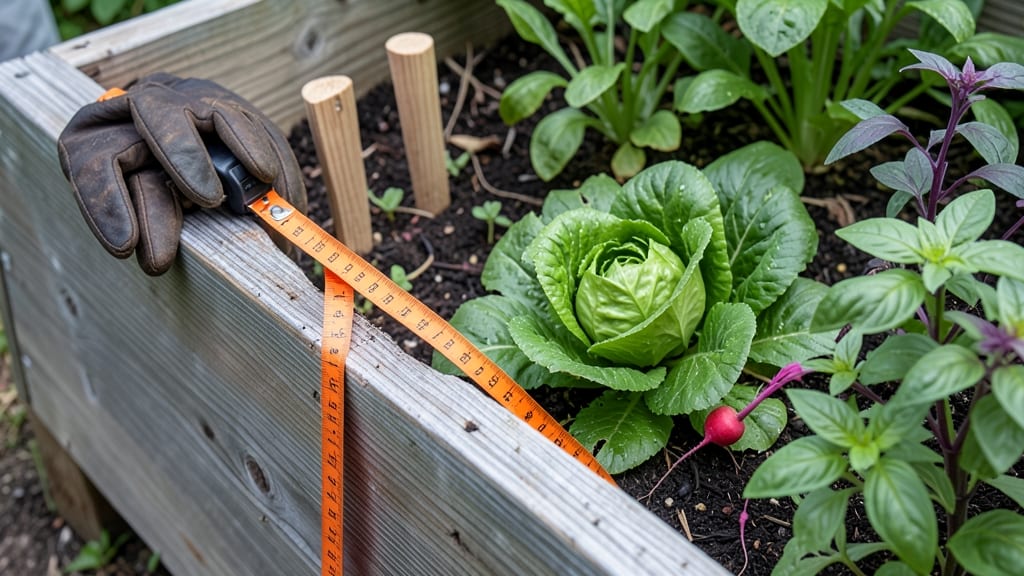
Determining the ideal garden bed size balances accessibility, plant spacing, and root depth: keep widths at 3–4 feet for easy reach, lengths between 8–12 feet for efficient use of space, and depths of 6–12 inches for most vegetables—though raised beds should go deeper for root crops like carrots.
Your garden bed's dimensions directly impact how easily you can tend to plants and how well they grow.
A 3–4 foot width lets you reach the center without stepping into the bed, reducing soil compaction and making maintenance easier. 🌱 Meanwhile, lengths of 8–12 feet provide enough growing space while keeping the bed manageable for most gardeners.
For depth, standard 6–12 inches works for leafy greens and herbs, but root vegetables like potatoes or carrots need 12–18 inches to thrive in raised beds.
Pro tip: If you're working with limited space, consider vertical gardening or narrower beds—just ensure you can still access the center comfortably. The key is finding that sweet spot where your plants have room to spread while you can maintain them without strain.
💡 In This Article
- Optimal Garden Bed Dimensions for Plant Growth and Accessibility
- Garden Bed Size Rules by Plant Type and Layout Styles
Optimal garden bed dimensions for plant growth and accessibility
The 3–4 foot width standard for garden beds isn't arbitrary—it's rooted in human ergonomics. When you stand with arms extended, this width lets you reach the center of the bed without stepping inside, which prevents soil compaction from your weight.
Studies show that stepping on garden soil compresses it by up to 30%, reducing root growth and water absorption. The ideal width also aligns with how most people's arms span when standing comfortably—about 36 inches—giving you just enough room to work without strain. 🌿
Length becomes a balancing act between space efficiency and practicality. Beds that are 8–12 feet long work because they provide ample growing area while still being manageable for most gardeners to tend.
Longer beds (like 16 feet) force you to reach farther, increasing the risk of soil compaction or uneven watering.
The 4x8-foot bed is particularly popular because it fits perfectly within standard lumber dimensions for raised beds while offering a 32-square-foot growing area—enough for a family's vegetable needs without overwhelming the gardener.
Depth matters just as much as width and length, especially for root development. Standard 6–12 inches of soil works perfectly for leafy greens, herbs, and shallow-rooted vegetables like lettuce or radishes. However, root crops like carrots or potatoes need 12–18 inches of depth to grow fully.
In raised beds, you can easily achieve this by layering soil amendments, while in-ground beds may require amending the native soil to improve drainage and fertility over the full depth. 🌱
Here's what happens when dimensions go wrong: Beds wider than 4 feet force you to step inside, compacting soil and making maintenance difficult. Beds shorter than 8 feet waste space and make efficient planting layouts nearly impossible.
Depths under 6 inches restrict root growth, while depths over 18 inches can lead to waterlogging unless you have excellent drainage. The sweet spot balances accessibility, plant needs, and soil health.
Consider this real-world example: A 4x8-foot raised bed filled with 12 inches of soil can grow enough tomatoes, peppers, and herbs for a family of four. The width lets you reach all plants easily, the length provides enough space for companion planting, and the depth supports robust root systems.
This setup also allows for proper mulching and water retention, reducing maintenance while maximizing yield. 💫
For those with limited space, narrower beds (2–3 feet) can work if paired with vertical gardening techniques. However, you'll need to create multiple beds to achieve the same growing area as a single 4-foot-wide bed.
The trade-off is worth it for small yards or urban gardens where space is at a premium, but always prioritize your ability to reach the center of the bed comfortably. 🌿