
Tools
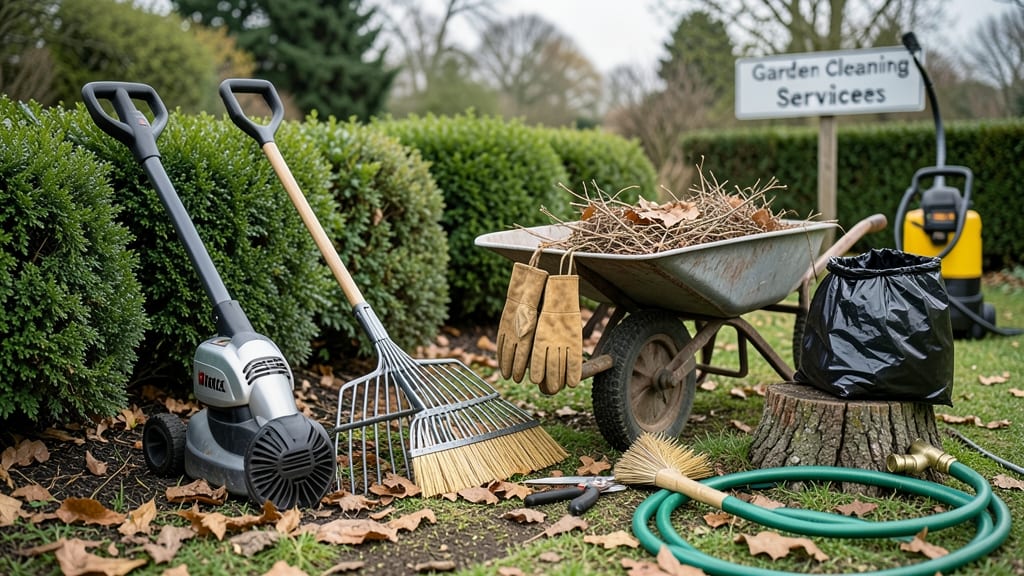
Garden cleaning services transform outdoor spaces by clearing away debris, pruning vegetation, and maintaining tools, creating a healthier environment for plants while preparing areas for seasonal changes. Prioritize certified providers who use sustainable methods and offer clear pricing to avoid surprises.
These services go beyond basic tidying—they focus on plant health by removing dead foliage and thatch that can harbor pests or diseases. 🌿 A thorough cleaning also improves drainage and airflow, which are critical for preventing fungal growth.
I’ve seen firsthand how a well-maintained garden not only looks better but also thrives year-round with fewer issues like overgrowth or invasive weeds taking over.
When selecting a provider, don’t overlook certifications for eco-friendly practices, like using biodegradable cleaners or manual tools instead of gas-powered equipment. Transparent pricing—whether hourly or project-based—helps avoid last-minute surprises, and always ask about insurance coverage in case of accidental damage.
A reputable company will happily show you before-and-after examples of their work.
💡 In This Article
- Key Services Offered by Professional Garden Cleaning Providers
- How to Choose an Eco-Friendly and Trusted Garden Cleaning Company
Key services offered by professional garden cleaning providers
Professional garden cleaning services tackle more than just surface-level tidying—they perform targeted tasks that directly impact plant health. At the core, they remove organic debris like fallen leaves, which can smother grass and create ideal conditions for fungal growth.
A 1-2 inch layer of leaves left on lawns can block sunlight and moisture, causing brown patches that take weeks to recover. 🌿 The process often includes raking, leaf blowing, or vacuuming, depending on the debris type and yard size.
Pruning and trimming are equally critical. Overgrown hedges and shrubs not only look unkempt but can also harbor pests like aphids or spider mites in dense foliage. Professionals use sharp, sanitized tools to trim back 25-30% of overgrowth, promoting healthier air circulation and sunlight penetration.
This reduces stress on plants and prevents diseases like powdery mildew, which thrives in shaded, damp conditions. Seasonal deep cleaning—typically done in early spring or late fall—goes further by removing thatch buildup (dead grass layers) that can suffocate roots.
Equipment sanitization is another often-overlooked service. Tools like pruners, shears, and mowers collect bacteria and fungal spores from plant surfaces. Professionals clean and disinfect these with 70% isopropyl alcohol or eco-friendly sanitizers, preventing cross-contamination between plants.
For example, using the same shears on a diseased rose bush and then a healthy tomato plant can spread pathogens rapidly. This step is especially vital for organic gardens where chemical treatments aren't an option. 🌱
Seasonal tasks vary but often include winterizing (clearing gutters, storing equipment) and spring prep (soil aeration, mulch removal). Spring cleaning might involve removing winter mulch to allow soil to warm and rewetting compacted areas, while fall services focus on clearing fallen fruits or seeds that could sprout unwanted weeds.
The goal is always to create an environment where plants can thrive with minimal competition for resources.
What sets professional services apart is their attention to detail in these processes. For instance, they’ll identify and remove invasive species like kudzu or bindweed before they spread, or adjust irrigation systems to prevent water pooling that leads to root rot.
These targeted interventions save homeowners time and prevent costly plant losses down the line. 💪
Consider this: A garden that receives professional cleaning twice annually can see up to 40% less pest activity and 30% better plant growth compared to one cleaned only once a year. The investment in these services pays off in both aesthetics and plant longevity.