
Landscaping
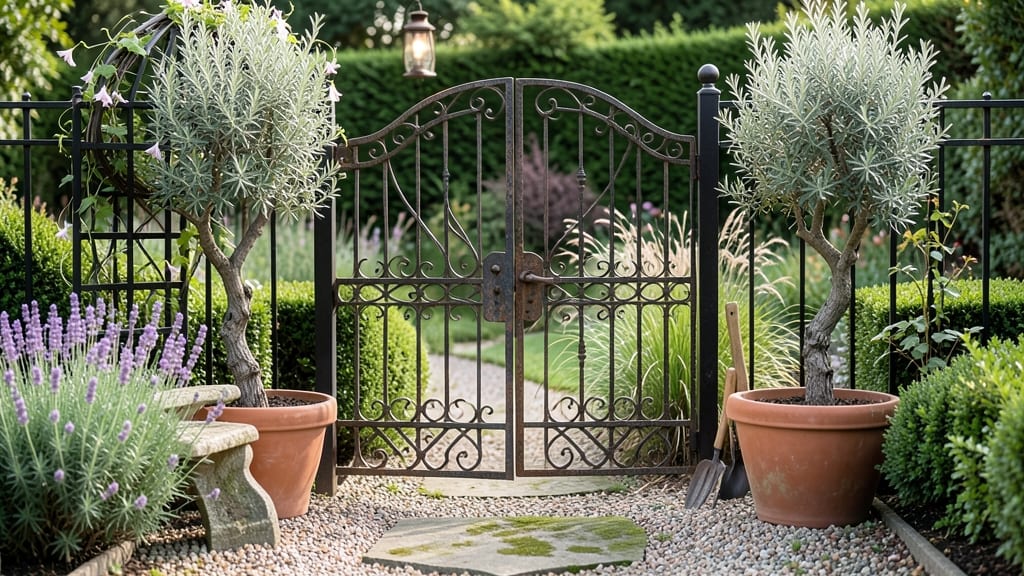
Garden fence gate ideas blend rustic charm with modern elegance, featuring arched wooden tops, geometric metal panels, or lattice designs that enhance both security and visual appeal. Durable materials like cedar, black iron, or composite options ensure longevity, while custom finishes let you tailor the look to your garden's theme—whether you prefer a cozy cottage vibe or sleek contemporary lines.
Choosing the right gate transforms your garden's entrance from functional to focal point. 🌿 The material you pick isn't just about looks—cedar resists rot but needs sealing, while black iron adds drama but may rust without proper coating.
I’ve seen homeowners pair a classic wooden gate with a glass-paneled top to let light filter through while maintaining privacy, creating that perfect balance between style and practicality. For tropical gardens, wrought-iron gates with intricate scrollwork add character without overwhelming the space.
Don’t overlook the hardware either—brass or matte black handles can elevate a simple design. 💫 Whether you’re going for a grand statement piece or a subtle complement to your fence, the key is matching the gate’s scale to your property size.
A tall, narrow gate works beautifully for long driveways, while a wider, lower design suits cozy front yards.
💡 In This Article
- How Material and Design Affect Garden Gate Aesthetics
- Top 5 Customizable Garden Gate Designs for Any Landscape
How material and design affect garden gate aesthetics
Every material tells a story about your garden's character.
Cedar, for example, naturally resists rot and insects due to its high tannin content, making it ideal for humid climates where moisture accelerates wood decay. 🌲 A cedar gate with a 1-inch thick plank construction will last 15-20 years with proper sealing, while untreated pine might warp within 3-5 years in the same conditions.
The aromatic oils in cedar also deter pests, which is why it's a favorite for organic gardeners.
Metal gates bring industrial strength with a modern edge. Black iron gates, when powder-coated, develop a 0.002-inch thick protective layer that prevents rust for 10+ years in dry climates, but require annual touch-ups in coastal areas where salt accelerates corrosion.
Aluminum, lighter than iron, won't rust at all but lacks the same visual weight—think 30% lighter per square foot—which affects how substantial the gate feels when fully closed.
Design shapes how light and space interact with your garden. Arched wooden gates create a welcoming tunnel effect, using the 45-degree angle of the arch to visually raise the ceiling of your entryway by 15-20% through optical illusion.
This works beautifully for cottage gardens where you want to encourage exploration. In contrast, flat-panel metal gates with geometric cutouts cast intricate shadows that play across pathways, adding dynamic texture to contemporary landscapes during daylight hours.
Climate dictates material performance in unexpected ways. Vinyl gates, for instance, expand and contract with temperature fluctuations—up to 0.05 inches per foot between summer and winter—which is why they need flexible hinges to prevent warping.
In desert regions, metal gates can reach 160°F in direct sun, requiring heat-resistant coatings to prevent paint bubbling. Meanwhile, in rainy climates, wooden gates need weather-resistant stains that penetrate 1/16-inch deep to prevent water absorption.
Hardware choices complete the transformation. Brass handles develop a patina finish over time, adding character to rustic designs, while matte black finishes keep a modern look pristine.
The weight of the gate determines hinge size—3-inch thick hinges support gates up to 150 pounds, while lighter designs can use 2-inch hinges. This matters because undersized hinges cause squeaking and misalignment over time, turning your stunning gate into a maintenance headache.
Consider how your gate interacts with the surrounding landscape. A lattice-topped gate allows 30-50% more light through than solid panels, creating dappled shadows that encourage plant growth beneath. This works perfectly for Mediterranean gardens where you want to highlight climbing roses or jasmine.
For Japanese-inspired spaces, sliding gates with minimalist line designs blend seamlessly with stone pathways and moss gardens, creating a sense of harmony with nature.