
Landscaping
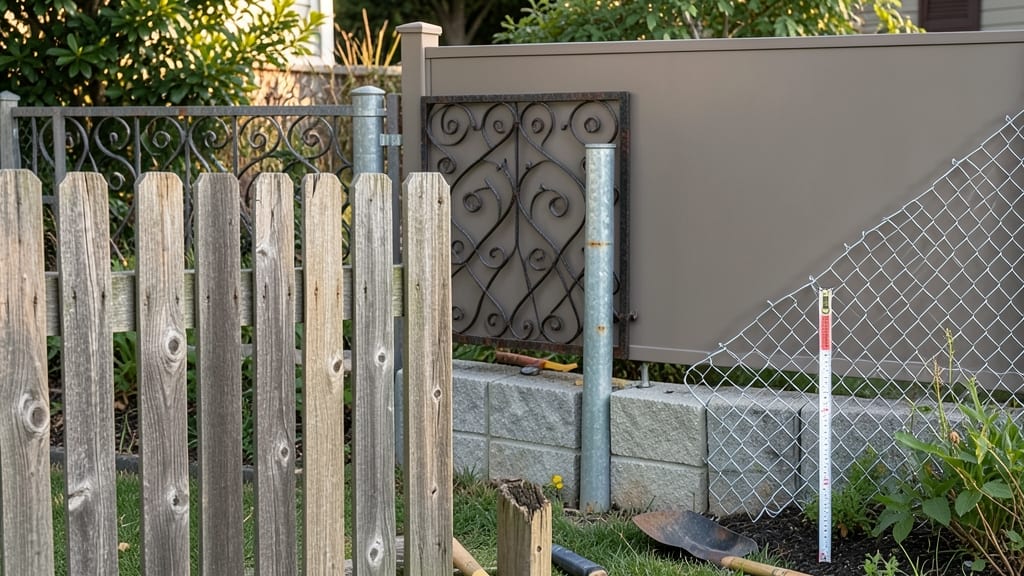
Determining garden fence height depends on local laws, with privacy fences typically allowed between 4 to 6 feet tall, while non-privacy fences often max out at 3–4 feet. Always verify HOA or zoning regulations before installation to prevent legal issues or neighbor conflicts.
Most homeowners focus on aesthetics when picking a fence, but local regulations often dictate the maximum allowable height. 🏡 For example, states like California and Florida tend to have stricter limits (usually 6 feet for privacy), while rural areas may permit taller fences for livestock or security.
The key is checking your county's zoning ordinances—some even require permits for heights over 4 feet. I've seen neighbors get into disputes when one installs a 7-foot fence without realizing it violates local codes, so always confirm before breaking ground.
Beyond legal limits, consider your specific needs—privacy fences often require 6 feet to block views, while 4-foot fences work well for pet containment or windbreaks. Materials also play a role: wood and vinyl typically max out at 6 feet, while metal fences can sometimes go taller if properly secured.
Always factor in your property's layout and how the fence will affect neighbors' light or views.
💡 In This Article
- State-by-State Garden Fence Height Regulations
- Choosing the Right Fence Height for Privacy and Aesthetics
State-by-state garden fence height regulations
Local zoning laws are the primary factor determining fence heights, with most counties adopting state guidelines as a baseline. For instance, California's Government Code Section 66494.1 allows privacy fences up to 6 feet tall, while non-privacy fences max out at 4 feet unless they serve agricultural purposes.
Florida follows similar rules, but rural areas often permit 8-foot fences for livestock containment—a common exception that can confuse homeowners unfamiliar with local variances. 🏛️
HOA covenants frequently impose stricter limits than state laws, often capping heights at 4 feet for aesthetic consistency. In suburban neighborhoods, I've seen HOAs reject 6-foot privacy fences even when state codes allow them, creating legal gray areas.
Always review your HOA's landscape guidelines—some require pre-approval for any fence over 3 feet, regardless of local zoning. Property lines also matter: fences must typically stay 6 inches from your neighbor's property, which can affect height calculations near boundaries.
Exceptions exist for security and agricultural needs. Many states permit 8-foot fences around pools or for crime prevention, provided they meet specific construction standards. In Texas, for example, the Texas Property Code allows 7-foot fences for livestock, but residential privacy fences still max out at 6 feet.
These variations mean homeowners must research both state and county ordinances—what's legal in one part of a state might be prohibited just miles away. 📜
Permits often become necessary for heights over 4 feet, adding another layer of bureaucracy. Some counties require engineering plans for fences exceeding 6 feet, especially in wind-prone areas. I've helped clients navigate permit processes where a 5-foot fence required approval due to its location near a floodplain.
Always check with your local building department—they can provide the most up-to-date regulations and avoid costly modifications after installation.
Neighbor disputes frequently arise when one property installs a fence taller than allowed. In some states, neighbors can request a court order to remove non-compliant fences, creating both legal and interpersonal challenges.
For example, a 7-foot fence in a 6-foot zone might seem harmless, but it could trigger complaints and inspections. Proactive communication with neighbors about your plans can prevent conflicts before they escalate. 🤝
Rural areas often have more lenient rules, with some counties allowing 8-foot fences for privacy or agricultural use. However, even in rural settings, state environmental laws may limit fence heights near wetlands or protected wildlife corridors.
Always verify with local agricultural extension offices—they can clarify exceptions for farmland fencing that might not apply to residential properties. This dual-layered approach ensures compliance while meeting practical needs.