
Tools
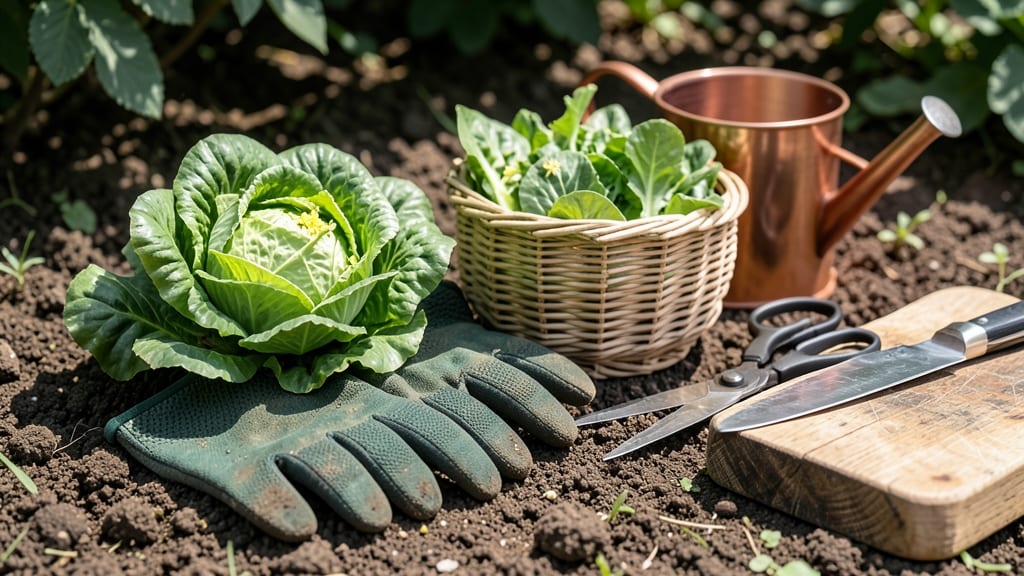
Creating a garden fresh salad starts with selecting ingredients at their flavor peak—harvest leafy greens in cool morning hours, snip herbs just before serving, and choose firm vegetables like cucumbers and tomatoes with vibrant stems. Proper storage techniques will maintain their crispness and taste for up to a week.
Timing and technique are everything when building a garden fresh salad from homegrown ingredients. 🌱 The morning hours are ideal for harvesting leafy greens because their moisture content is highest, ensuring crispness.
For herbs like basil or parsley, waiting until the last possible moment before chopping preserves their volatile oils that carry the most flavor. The key with vegetables is firmness—press gently on tomatoes and cucumbers; if they yield slightly, they're ready.
Proper storage separates the difference between a vibrant salad and a wilted one: use airtight containers for greens with paper towels to absorb moisture, while herbs thrive wrapped in damp paper towels in the fridge. This simple prep work transforms your homegrown ingredients into restaurant-quality salads.
What many home gardeners overlook is that environmental factors like sunlight exposure and soil quality directly impact flavor development. For instance, tomatoes grown in full sun develop deeper sweetness, while peppers left on the vine too long become tough and bitter.
Understanding these nuances lets you plan your harvest schedule around weather patterns and growth stages, ensuring every ingredient contributes its best qualities to your salad.
💡 In This Article
- Signs of Peak Ripeness in Garden Salad Ingredients
- Best Storage Methods to Keep Garden Salads Crisp
Signs of peak ripeness in garden salad ingredients
Leafy greens like romaine or butter lettuce reach their crispest state when harvested just before their natural sugars peak, typically in the early morning hours when temperatures are coolest.
The ideal time is between 6:00 AM and 9:00 AM, when moisture levels are highest and leaves are still turgid (firm). Look for vibrant color—romaine should be bright green with no yellowing, while butter lettuce should have crisp, unwilted outer leaves.
The stems should snap cleanly when bent, not break easily, indicating they're still hydrated. 💛 What most home gardeners miss is that overripe greens (with yellowed edges) develop bitter compounds as they convert sugars to starches, ruining that fresh garden taste.
Herbs like basil and cilantro have a much narrower window for peak flavor, which is why you should harvest them just before using.
Basil leaves should be a deep, glossy green with no brown stems, while cilantro should have a bright, almost electric green color and a fresh, slightly peppery aroma.
The key indicator is the aroma—crush a few leaves between your fingers; if they release a strong, vibrant scent, they're at their peak. Temperature matters too: herbs grown in 60-75°F soil produce the most volatile oils that carry their signature flavors.
If your garden gets hotter, harvest more frequently to prevent the plants from bolting (flowering), which makes leaves tough and bitter.
For tomatoes and cucumbers, firmness is the best indicator of ripeness. Press gently on a tomato—it should yield slightly but not feel mushy. The stem end should still be green, not fully ripe yet, as this is where the tomato absorbs the most flavor compounds.
Cucumbers should have a bright green skin with no yellowing, and when you press near the stem, the skin should feel slightly firm but not hard. The science here involves ethylene gas: tomatoes produce more ethylene as they ripen, which breaks down cell walls and makes them softer.
Harvesting at the right stage means you get that perfect balance of sweetness and acidity without the mealy texture of overripe produce. 🌱
Peppers and other salad vegetables follow similar rules but with slight variations. Bell peppers should be fully colored (green, red, or yellow) with smooth, glossy skin. The stem should still be attached firmly, and the pepper should feel heavy for its size.
For cherry tomatoes, look for clusters where at least 70-80% of the tomatoes are uniformly colored—this ensures consistent flavor. The key difference with peppers is their thinner skin, which makes them more sensitive to temperature fluctuations.
If nighttime temperatures drop below 50°F, peppers develop a bitter compound called capsinoids, which can ruin their sweet flavor.
Environmental factors like sunlight and soil temperature play a huge role in flavor development. Tomatoes grown in full sun (at least 6-8 hours daily) develop 30-50% more sugar than those in partial shade, thanks to increased photosynthesis.
Similarly, cucumbers grown in 70-85°F soil produce more cucurbitacins, the compounds that give them their crisp texture. Pay attention to these details, and you'll notice a dramatic difference in the flavor and texture of your homegrown salad ingredients compared to store-bought. 💫
One advanced tip is to harvest leafy greens in stages. For example, with romaine, you can cut the outer leaves first, allowing the inner leaves to mature while still keeping the plant productive. This method extends your harvest window by 2-3 weeks compared to cutting the whole head at once.
For herbs, pinching off the top sets encourages bushier growth, ensuring you get more flavorful leaves over time. These small adjustments can make a big difference in the quality of your garden fresh salads. ✨