
Blooming
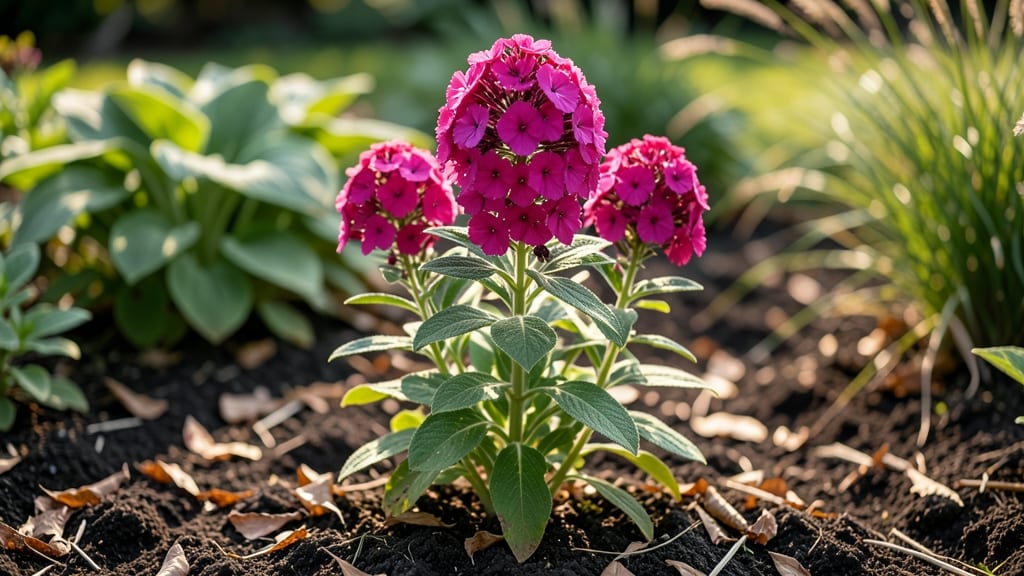
The garden phlox bloom time shines brightest in late summer—typically from July through August—when the days grow shorter but still warm, and with the right care, those clusters of 🌸 can last for weeks.
If you’ve ever planted garden phlox only to be disappointed by short-lived, sparse blooms, you’re not alone—timing and care make all the difference in unlocking their full floral potential.
In USDA Zone 6a and beyond, phlox thrives in cooler climates, but even in warmer regions, choosing the right variety and giving it the perfect spot can shift bloom time by weeks.
Below, I’ll break down the exact months to expect bright, abundant blooms, how sunlight and soil affect timing, and the simple tricks to keep your phlox flowering longer than ever.
Natural garden phlox bloom time: seasonal stages & climate Zones
Garden phlox (Phlox paniculata) is a summer staple that rewards patient gardeners with clusters of fragrant blooms—but timing is everything. Understanding its natural bloom cycle and climate zone adaptations ensures you’ll enjoy vibrant flowers from mid-July through September.
Unlike annuals, phlox thrives as a perennial in zones 3-9, making it versatile for most U.S. gardens, from cool Maritime climates to hot Southern summers.
Phlox blooms are triggered by daylight length, not temperature alone. As days shorten in late summer, your plants shift from vegetative growth to flowering mode. This photoperiod response explains why phlox in Zone 5 might bloom 2 weeks earlier than identical varieties in Zone 8.
The key? Balancing sun exposure, soil moisture, and pruning practices to sync with your local climate.
Here’s how to match your phlox’s bloom window to your region—plus seasonal care tips to maximize those show-stopping clusters.
| USDA Zone | Bloom Window | Daylight Trigger | Regional Notes |
|---|---|---|---|
| 3-4 (Cold) | Late July–August | 14+ hours daylight | Shortest bloom season; mulch heavily for winter protection. |
| 5-6 (Temperate) | Mid-July–September | 13-15 hours daylight | Classic "summer phlox" zone; stake tall varieties to prevent flopping. |
| 7-8 (Warm) | June–August (early) | 12-14 hours daylight | Longest daylight = earliest blooms; water deeply in heat. |
| 9 (Hot) | July–September (late) | 11-13 hours daylight | Provide afternoon shade to prevent bud drop; mulch to retain moisture. |
In Zones 3-4, phlox’s bloom window shrinks to just 4-6 weeks due to shorter days, but you can extend it by deadheading spent blooms and fertilizing lightly in early June.
The 14+ hours of daylight these regions experience in midsummer act as a natural trigger, pushing phlox into flowering mode. For Zones 5-6, where most gardeners live, the mid-July to September window aligns perfectly with peak summer color needs.
Southern gardeners in Zones 7-9 often see phlox bloom earlier but more briefly because the 12-14 hour daylight threshold is crossed sooner. To combat this, plant late-blooming varieties like 'David' or 'Lipstick', which thrive in heat and extend the show into late August.
In Zone 9, afternoon shade becomes critical—without it, buds may abort due to heat stress.
Phlox’s bloom cycle follows a predictable pattern: bud formation in late spring, color development in June, and peak bloom in July-August. The first flush of flowers typically lasts 3-4 weeks, but with proper deadheading (removing faded blooms), you can coax secondary blooms for another 2-3 weeks.
This works because phlox is a short-day plant—it responds to decreasing daylight by shifting energy from leaves to flowers.
For extended blooms, time your spring pruning carefully. Cut back 1/3 of the plant height in early May to encourage bushier growth and more flowering stems. Avoid pruning after June 15, as this can delay or reduce blooming.
In drought-prone areas, deep watering once weekly (1 inch total) keeps stems sturdy and buds plump—underwatering leads to small, weak flowers.
One common misconception is that phlox blooms only once. In reality, continuous deadheading (snipping off spent blooms) can trigger 3-4 bloom cycles per season. The secret? Remove flowers just as they fade, not after they’ve turned brown.
This prevents seed formation and signals the plant to produce new side shoots. Pair this with a light fertilizer application (10-10-10) in early July to support the second bloom wave.
If your phlox blooms sparingly or not at all, check these three culprits: too much shade (phlox needs 6+ hours of sun), over-fertilizing with nitrogen (which promotes leafy growth over flowers), or poor soil
How to extend garden phlox bloom time: pruning, fertilizing & deadheading tips
Garden phlox is one of those showstopper perennials that can transform your summer garden—but only if you give it the right care. The key to longer, more abundant blooms lies in three simple practices: pruning, fertilizing, and deadheading.
Skipping even one can mean shorter bloom seasons and fewer flowers. Let’s dive into the exact techniques that’ll keep your phlox in full glory from early summer through fall.
First, let’s tackle the biggest misconception: pruning phlox isn’t just about cutting back—it’s about timing. Many gardeners wait until the blooms fade to prune, but that’s too late. The real secret is cutting back in early spring by about one-third of the plant’s height.
This encourages bushier growth and sets the stage for more flower stems. For varieties like ‘David’ or ‘Blue Paradise’, this early prune can extend your bloom time by 3-4 weeks.
Next up: fertilizing. Phlox is a hungry plant, and feeding it right is non-negotiable for long bloom times. Start with a balanced fertilizer (10-10-10) when you plant in early spring, then feed again in early summer.
Organic options like composted manure or fish emulsion work wonders, but synthetic fertilizers can give a quick boost too. The key is consistency—feed every 4-6 weeks during the growing season, but stop by mid-summer to avoid late-season growth that won’t harden off before frost.
Deadheading is where most gardeners drop the ball, and it’s the easiest way to double your bloom time. Phlox is a self-seeding annualizer, meaning it’ll keep producing flowers as long as you remove spent blooms.
Pinch or snip off faded flowers right at the base (not just the top of the stem) to encourage new buds. For continuous blooms, deadhead every 2-3 days during peak flowering.
Pro tip: Use a pair of small floral shears for precision—this prevents damage to healthy stems and keeps your phlox looking tidy.
But here’s what kills bloom time: overcrowding and poor soil. Phlox needs 12-18 inches of space to breathe, and well-draining soil to thrive. If your plants are too close together, they’ll compete for nutrients and light, leading to fewer blooms.
Amend your soil with compost or peat moss at planting time, and mulch around the base to retain moisture and suppress weeds. Never let phlox sit in soggy soil—this invites root rot and shortens the plant’s lifespan.
Finally, watch out for these common mistakes that shorten bloom time: waiting too long to deadhead, fertilizing in fall, or pruning at the wrong time. Another pitfall? Ignoring pests like aphids or Japanese beetles. These critters can defoliate your phlox, weakening it and reducing flowering.
Spray with neem oil or insecticidal soap at the first sign of trouble. With these tips, your garden phlox will bloom longer, brighter, and more reliably every season.
Ready to put these tips into action? Grab your shears, check your soil, and give your phlox the care it deserves—your summer garden will thank you with weeks of vibrant color! 🌸