
Tools
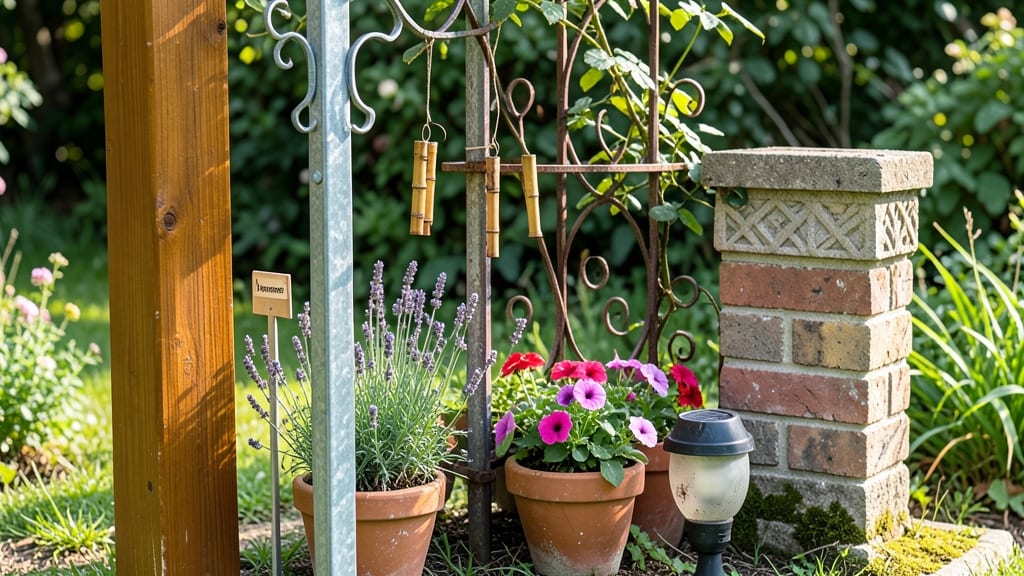
When brainstorming garden post ideas, consider options from classic wooden stakes to modern metal or composite supports, plus creative DIY solutions like stacked bricks or driftwood for an organic look. Your choice should balance aesthetics with climate resistance and maintenance ease.
Garden post ideas go beyond basic functionality—they set the tone for your outdoor space. 🌿 Wooden posts like cedar or redwood offer natural charm but require sealing to prevent rot, while metal or composite options provide long-term durability with minimal upkeep.
For a unique touch, consider repurposed materials like slate tiles or even vintage lanterns as decorative supports. The key is matching your post material to both your garden's style and local weather conditions—think about how much rain or sun your yard gets before making a decision.
Beyond materials, installation matters just as much. Proper depth (typically 18-24 inches below ground) and secure anchoring (using concrete or gravel) prevent posts from shifting over time. If you're creating a trellis or plant support system, space posts 4-6 feet apart for optimal plant growth.
For heavy climbers like wisteria, consider adding cross-bracing for extra stability. Remember, the right combination of material and installation ensures your garden posts stay upright and beautiful for years to come.
💡 In This Article
- Best Materials for Garden Posts by Durability and Style
- DIY Garden Post Installation Tips for Stability and Longevity
Best materials for garden posts by durability and style
The choice of material for your garden posts directly impacts their lifespan and how they age in your landscape. Cedar and redwood are classic options because their natural oils resist rot and insects, making them ideal for humid climates where moisture is a concern.
A 6x6-inch cedar post can last 10-15 years with proper sealing, while redwood’s rich color fades gracefully over time, blending into natural surroundings. In contrast, pressure-treated pine offers affordability but requires regular staining to prevent graying and splintering, especially in sunny areas where UV exposure accelerates deterioration.
Metal posts, often made from galvanized steel or aluminum, provide unmatched durability—some can last 20-30 years without rusting if properly coated. The sleek, modern look of metal works well in contemporary gardens, but it can feel stark against organic plantings.
Composite materials, which blend wood fibers with plastic, strike a balance: they resist rot, insects, and warping while mimicking wood’s natural appearance. For a high-end look, consider brass or copper posts, which develop attractive patinas over time but require more maintenance to prevent corrosion in wet climates.
Natural stone options like slate or granite add timeless elegance and require almost no upkeep, though they’re heavier and more expensive to install. DIY enthusiasts often turn to repurposed materials like bricks, concrete blocks, or driftwood for a rustic aesthetic.
Driftwood, for example, adds organic texture but may need treatment to prevent fungal growth in damp soil. The key is matching your material to your garden’s climate—wood thrives in dry areas, while metal or stone excels in wetter regions where rot is a risk.
Consider how each material interacts with your garden’s ecosystem. Wooden posts, for instance, provide natural perches for birds and habitat for beneficial insects, while metal posts offer a cleaner, more sterile surface.
If you’re growing climbing plants like clematis or roses, lighter materials like cedar or composite may be easier to work with than heavy stone. For trellises, metal or composite posts can support heavier vines without bending, while wooden posts might require additional bracing over time.
The maintenance factor often decides long-term satisfaction. Cedar and redwood need resealing every 2-3 years, while metal posts may require occasional touch-ups to prevent rust. Composite and stone options demand almost no upkeep beyond occasional cleaning.
Think about how much time you’re willing to invest—some materials save you effort in the long run, while others offer more hands-on customization opportunities.
For a truly unique touch, consider mixed materials. For example, you might use a stone base for stability with a wooden top section for a natural look, or pair metal posts with wooden slats for a modern-rustic hybrid design.
The possibilities are limited only by your creativity—and your garden’s specific needs.