
Size
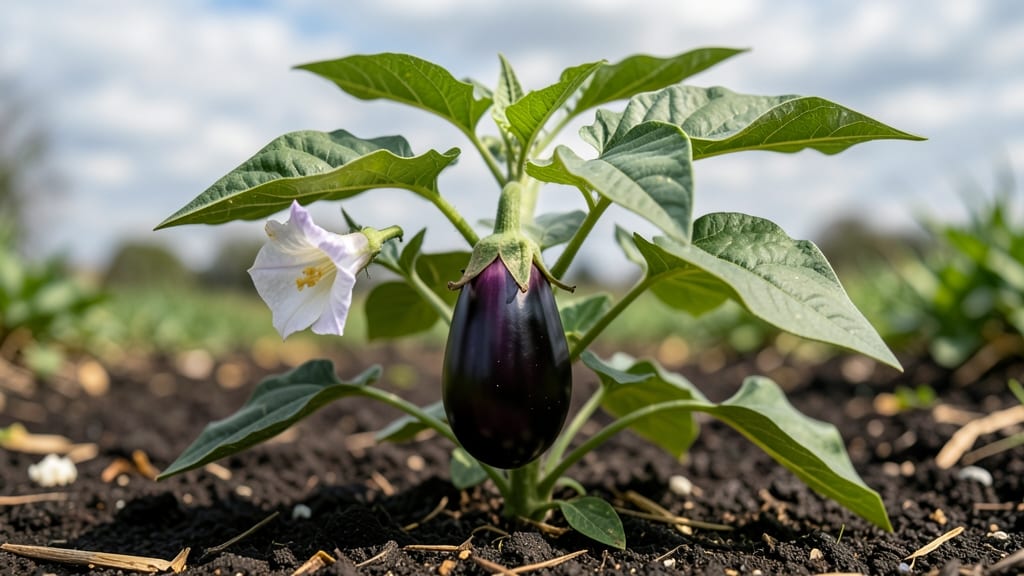
Growing egg stock from garden scraps transforms kitchen waste into a nutrient-rich broth that enhances your garden's soil health.
This method turns eggshells—packed with calcium—into a natural fertilizer while creating a flavorful stock for cooking. 🌱 The baking step sterilizes shells, preventing bacterial growth, while simmering with vegetable scraps extracts minerals that improve soil structure and plant vitality.
You'll also reduce landfill waste while adding value to your garden's ecosystem.
For best results, combine shells with onion skins, carrot peels, or celery ends—common garden scraps that complement the calcium boost. The resulting stock can be used directly as a liquid fertilizer or poured into compost piles to accelerate decomposition.
This dual-purpose approach makes it a sustainable choice for both kitchen and garden.
💡 In This Article
- Why Eggshells Boost Garden Stock Nutrition
- Step-by-Step Egg Stock Recipe for Gardeners
Why eggshells boost garden stock nutrition
Eggshells are essentially 95% calcium carbonate, the same mineral found in limestone and seashells. When you bake them at 200°F for 10-15 minutes, you're not just sterilizing them—you're converting the calcium into a more bioavailable form.
The heat breaks down the organic matrix, leaving behind a fine, porous structure that dissolves more easily during simmering. This process releases calcium, magnesium, and trace minerals into your stock, creating a nutrient profile similar to commercial liquid fertilizers but without synthetic additives.
The real magic happens during the 30-60 minute simmer with vegetable scraps. The acidic environment from ingredients like onion skins or tomato peels helps dissolve the calcium carbonate into calcium ions (Ca²⁺), which plants can absorb directly.
Studies show that calcium improves cell wall strength in plants, reducing issues like blossom end rot in tomatoes or tip burn in lettuce. Unlike commercial fertilizers that often contain only one or two primary nutrients, eggshell stock provides a balanced mineral cocktail that supports overall plant health.
What makes this method particularly effective is how it addresses soil pH balance. Calcium helps neutralize acidic soils, creating an optimal growing environment for most vegetables.
For example, if your soil pH is below 6.5, adding eggshell stock can gradually raise it toward the ideal range of 6.0-7.0 for most garden crops.
The slow-release nature of the minerals also means you won't get the sudden pH spikes that can damage plant roots when using quick-acting amendments.
Consider this comparison: A single large eggshell contains about 2.2 grams of calcium—enough to provide a measurable boost to a gallon of compost tea or soil amendment. That's roughly equivalent to 1/4 teaspoon of crushed limestone, but with the added benefit of organic matter from the vegetable scraps.
The texture of the crushed shells also adds physical structure to compost, improving aeration and moisture retention in your garden beds.
For gardeners concerned about sustainability, eggshell stock represents a closed-loop system. What would otherwise be kitchen waste becomes a valuable resource that enriches your garden while reducing your environmental footprint.
The process requires no additional chemicals, and the byproducts (like leftover shell fragments) can be returned to the soil as a slow-release calcium source. It's a perfect example of how small-scale food production can integrate seamlessly with gardening practices.
One advanced technique worth noting is the "double-extraction" method. After your initial simmer, save the vegetable scraps and shells, then add fresh water for a second 20-minute simmer. This second batch captures additional minerals that didn't dissolve in the first round, maximizing your nutrient yield.
The resulting liquid can be used immediately or stored in the fridge for up to 5 days or frozen for longer-term use.