
Tools
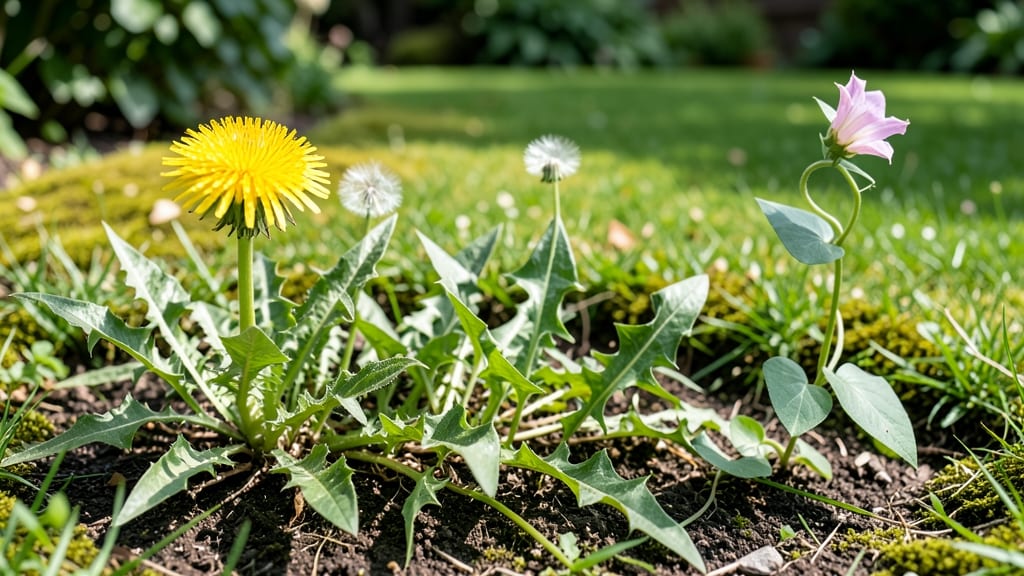
UK garden weeds like nettles, dandelions, bindweed, and chickweed adapt to the region's varied weather, thriving in lawns, borders, and even cracks in paving. Tackling them organically means using targeted methods like hand-pulling with tools, applying mulch layers, or spraying homemade vinegar solutions to cut roots while protecting soil health.
UK gardens face unique challenges from weeds like ground elder and creeping buttercup, which spread aggressively thanks to the country's mild, rainy climate.
These plants exploit damp soil and mild winters, making them harder to control than in drier regions. 🌱 The key to organic removal is consistency—regularly checking for new shoots and using the right tools, like a Dutch hoe for deep-rooted weeds, prevents them from taking over.
Mulching with straw or cardboard also smothers growth while improving soil over time.
What sets UK weed control apart is the focus on preventative care. Healthy soil with plenty of organic matter naturally discourages weeds, while companion planting—like pairing herbs with vegetables—creates a competitive environment.
For stubborn weeds, a mix of white vinegar and dish soap (applied carefully) can work wonders without harming your plants or the ecosystem.
💡 In This Article
- Common UK Garden Weeds and Their Growth Patterns
- Effective Organic Weed Control Techniques for UK Gardens
Common UK garden weeds and their growth patterns
UK gardens host some of the most persistent weeds in Europe, thanks to the country's mild, rainy climate and diverse soil types. Take ground elder (Aegopodium podagraria), a rampant spreader with triangular leaves that forms dense mats.
Its roots grow aggressively up to 3 feet deep, making it nearly impossible to eradicate without persistent manual removal or smothering techniques. Similarly, creeping buttercup (Ranunculus repens) thrives in damp lawns, spreading via underground runners that can stretch 10 feet per season if left unchecked.
The UK's average annual rainfall (760-1,270mm) creates perfect conditions for weeds like horsetail (Equisetum arvense), a primitive plant that grows in dense, reed-like clumps. Horsetail spreads via creeping rhizomes and thrives in disturbed soil, often popping up after gardening or construction.
Its hollow stems release silica into the soil, which can weaken plant roots over time. 🌧️ In contrast, dandelions dominate lawns because their deep taproots (up to 15 inches long) access moisture and nutrients that shallow-rooted grasses can't reach.
Seasonal growth patterns also play a critical role. Most UK weeds germinate in spring (March-May) when soil temperatures rise above 10°C (50°F).
However, bindweed (Convolvulus arvensis) grows year-round in southern England, while chickweed (Stellaria media) thrives in cooler months, often appearing as a green carpet in shaded areas. The UK's mild winters (rarely below freezing) allow many weeds to survive dormancy, emerging stronger in spring.
What makes UK weed control particularly challenging is how these plants exploit the country's acidic soils (pH 4.5-6.5). For example, heather (Calluna vulgaris) dominates acidic moorland, while bramble (Rubus fruticosus) thrives in nutrient-rich garden borders.
The key to organic management is understanding these ecological niches—smothering acidic-loving weeds with lime-rich mulch can disrupt their growth cycles while improving soil for desired plants.
Consider these growth patterns when planning removal strategies. Weeds like ground elder and bindweed require weekly inspections during their active growth phases (spring to autumn), while horsetail demands immediate action—its silica production accelerates when stems reach 12 inches tall.
The UK's unpredictable weather means some years will see 20-30% more weed growth due to excess rainfall, so flexibility in your approach is essential.
One often-overlooked factor is how weeds compete with native plants. For instance, creeping thistle (Cirsium arvense) can reduce biodiversity by outcompeting wildflowers for sunlight. Organic methods focus on reducing competition rather than elimination, creating a balanced ecosystem where beneficial insects and microbes thrive alongside your garden plants.