
Tools
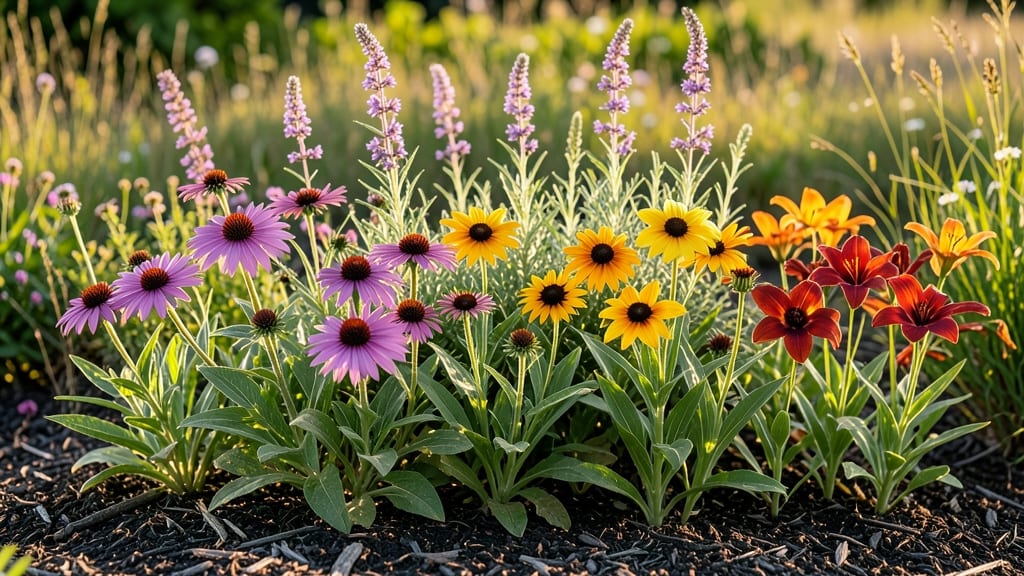
Garden Zone 7 offers mild winters and extended growing seasons with 150-200 frost-free days, making it ideal for year-round gardening. Perfect for hardy plants like roses, peonies, blueberries, and citrus, while tropical species will struggle in its cooler months.
This temperate climate zone is a gardener's dream because it balances warmth and coolness perfectly. 🌿 With average last frost dates around March 15-April 15 and first frosts between October 15-November 15, you can push your growing season further than many other regions.
The key is understanding your specific subzone (7a or 7b) and how local microclimates—like hillsides or urban heat islands—can extend or shorten your frost-free window.
For best results, focus on perennial workhorses that thrive in this range, such as hydrangeas and lavender, while adding seasonal blooms like zinnias or marigolds for color.
The soil in Zone 7 often benefits from organic matter to retain moisture during summer heatwaves, and mulching becomes your best friend for temperature regulation.
💡 In This Article
- Understanding Garden Zone 7 Climate and Frost Patterns
- Top Perennial and Seasonal Plants for Thriving in Zone 7 Gardens
Understanding garden Zone 7 climate and frost patterns
Garden Zone 7 spans a diverse climate range with average winter lows between 0°F and 10°F (depending on subzone) and summer highs often exceeding 90°F. This balance creates a unique growing environment where plants experience 150-200 frost-free days, allowing for extended seasons.
The key difference between Zone 7a (-10°F to 0°F) and 7b (0°F to 10°F) lies in their cold tolerance thresholds—just a 10°F shift can determine which plants survive winter. 🌡️
First and last frost dates vary significantly by region within Zone 7.
In the northern reaches (like Pennsylvania or Virginia), you might see last frosts around April 15 and first frosts by October 20, while southern areas (such as Georgia or South Carolina) can extend frost-free periods to 220 days.
Microclimates—like south-facing slopes or urban areas with heat retention—can push these dates even further. For example, a hillside might warm up 5-7°F faster than a valley, allowing early planting of frost-sensitive crops like tomatoes.
The humidity in Zone 7 also plays a critical role. Coastal areas experience more consistent moisture, while inland regions can suffer from summer droughts. This affects everything from fungal diseases in perennials to the need for mulching to retain soil moisture.
For instance, hydrangeas thrive in Zone 7's humidity but may require extra care in drier inland pockets to prevent leaf scorch during summer's 95°F+ heatwaves. 💧
Understanding these patterns helps you time plantings precisely. For example, cool-season crops like broccoli should be sown 6-8 weeks before the last frost, while warm-season plants like peppers need soil temperatures above 60°F to germinate.
Using row covers or cold frames can extend the season by 2-4 weeks in both directions, giving you a near-year-round growing window. The USDA's Plant Hardiness Zone Map provides a baseline, but local weather stations and gardeners' observations often refine these estimates.
One common mistake is assuming all of Zone 7 behaves identically. For example, citrus trees (like Meyer lemons) thrive in the milder 7b subzones but may struggle in colder 7a areas unless protected.
Similarly, blueberries—another Zone 7 staple—require acidic soil (pH 4.5-5.5) to prevent nutrient deficiencies, a detail often overlooked in general Zone 7 advice. Testing your soil and adjusting with amendments like sulfur or peat moss can make the difference between thriving plants and stunted growth. 🌱
For precision planning, track your local frost dates for 3-5 years to account for yearly variations. Many gardeners in Zone 7 use frost clocks or online tools like the Old Farmer's Almanac to fine-tune their schedules.
Remember, even within a single county, a north-facing yard might experience frost 2 weeks earlier than a south-facing one due to shade and wind patterns. This level of detail transforms Zone 7 from a "good growing area" into a gardener's playground. ✨