
Planting
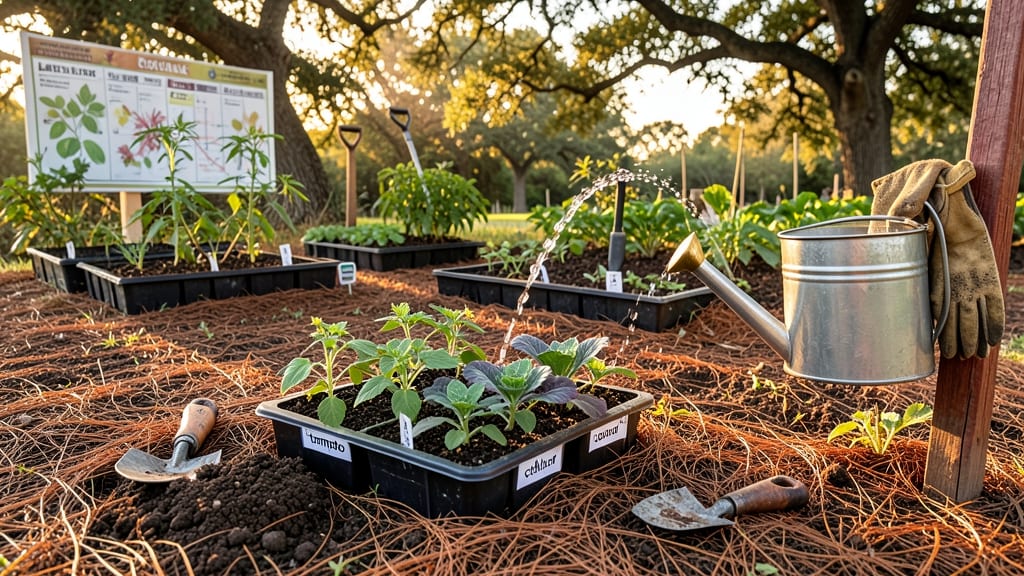
Planting a garden in South Carolina at the right time means the difference between a thriving harvest and a sad pile of seeds 🌱—and the window is narrower than you think.
South Carolina’s warm climate and diverse microclimates make it a gardener’s paradise—but planting too early or late can mean wasted seeds and stunted growth.
From Charleston’s coastal heat to the Upstate’s cooler nights, last frost dates shift by weeks, and soil warmth matters more than the calendar. Get it wrong, and you’ll watch your okra bolt or your azaleas struggle.
Here’s exactly when to plant—broken down by region, crop type, and microclimate—so you can skip the guesswork and start growing with confidence.
South Carolina’s last frost dates by region: when to plant cool-season vs. warm-season crops
South Carolina’s last frost dates vary dramatically from the coastal lowcountry to the Upstate mountains, creating a gardener’s challenge. Charleston’s average last frost occurs around February 15, while Greenville’s can linger until March 20.
Understanding these regional differences means the difference between thriving tomato plants and sad, frost-nipped seedlings.
For cool-season crops like lettuce and broccoli, timing is everything—plant too late, and they’ll bolt in the heat. Warm-season crops like peppers and okra need soil temperatures above 60°F to thrive. Let’s break down the optimal planting windows for each region, so you can start your garden with confidence.
In Charleston’s coastal zone, the longer growing season lets you plant spinach as early as October 15 and still harvest through March.
The warmer coastal air also means tomatoes and peppers can go in the ground by March 15, giving you a head start on the rest of the state.
Moving inland to Columbia, the Midlands’ cooler nights delay planting by about two weeks. Here, broccoli and kale thrive when sown by September 30, and warm-season crops like okra need to wait until April 1 for soil warmth to cooperate.
The Upstate’s higher elevation creates a shorter growing season, especially in Greenville and Spartanburg.
Gardeners here must plant cool-season crops by September 15 to avoid early frost in November. Peppers and eggplants won’t tolerate the cooler soil until April 15, making container gardening a smart choice for extending the season.
For warm-season crops, always check soil temperature with a soil thermometer—60°F is the minimum for tomatoes, but 70°F+ is ideal for peppers and squash. In cooler inland areas, consider black plastic mulch to warm the soil faster and give your plants a jumpstart.
Don’t forget about microclimates! A south-facing garden warms up faster than a shady spot, while urban heat islands can push last frost dates 1-2 weeks earlier. Use these regional guidelines as a starting point, then adjust based on your specific location and local weather patterns.
Pro tip: Start seeds indoors 6-8 weeks before your last frost date for warm-season crops. For cool-season crops, direct-sow as soon as the soil is workable (usually 60°F
How to adjust planting timing for South Carolina’s microclimates: coastal heat vs. mountain cool
South Carolina’s microclimates can shift planting windows by 3-4 weeks—whether you’re gardening in Charleston’s coastal heat or the Upstate’s cooler mountain valleys. Even within 50 miles, your last frost date might change dramatically, affecting when to plant tomatoes, broccoli, or azaleas.
The key? Adjusting for elevation, proximity to water, and urban heat islands.
For example, Greenville’s higher elevation often sees frost 2-3 weeks later than Charleston, while Columbia’s urban sprawl can trap heat, delaying spring planting.
Meanwhile, coastal gardens near the ocean may need earlier sowings for heat-loving crops like okra or sweet potatoes, while inland areas can push cool-season crops like kale or spinach later into fall.
Coastal Areas (Charleston, Beaufort)
Plant warm-season crops (tomatoes, peppers) 2-3 weeks earlier than inland zones. Use row covers for spring starts to protect from unpredictable coastal breezes.
Piedmont (Columbia, Rock Hill)
Adjust for urban heat islands—plant cool-season crops (lettuce, broccoli) 1 week later than rural areas. Soil warms faster in pavement-heated zones.
Upstate (Greenville, Spartanburg)
Wait until May 15 for tomatoes and peppers—cooler nights delay growth. Use cold frames to extend fall harvests for kale and carrots.
Mountains (Caesars Head, Table Rock)
Plant cool-season crops as late as June 1—frost risk lingers until October 31. Prioritize hardy perennials like rhubarb or asparagus for reliability.
Extend your growing season with season extenders. In coastal areas, use shade cloth to protect delicate greens from scorching summer sun, while Upstate gardeners benefit from low tunnels to trap heat in fall.
A cold frame can add 4-6 weeks to your harvest window—perfect for spinach or radishes in winter.
Pro tip: Check soil temperature before planting—warm-season crops like cucumbers need 65°F+ soil, while cool-season crops thrive at 50-60°F. A soil thermometer ($10 at garden centers) is your best friend for microclimate adjustments.
In urban gardens, paved surfaces can raise soil temps by 10°F+, so test multiple spots!
Don’t forget native plants like azaleas or blueberries—they’ve already adapted to your local microclimate! These perennials thrive with minimal timing fuss, making them ideal for beginner gardeners or high-elevation zones where frost risk is higher. Pair them with seasonal veggies for a low-maintenance but high-reward garden.
Your planting schedule isn’t set in stone—adjust weekly based on weather forecasts and soil conditions. For example, if June brings unexpected rain, delay tomato planting until the soil dries to avoid blossom-end rot.
With these microclimate tweaks, you’ll turn South Carolina’s climate quirks into your garden’s superpower. 🌱