
Blooming
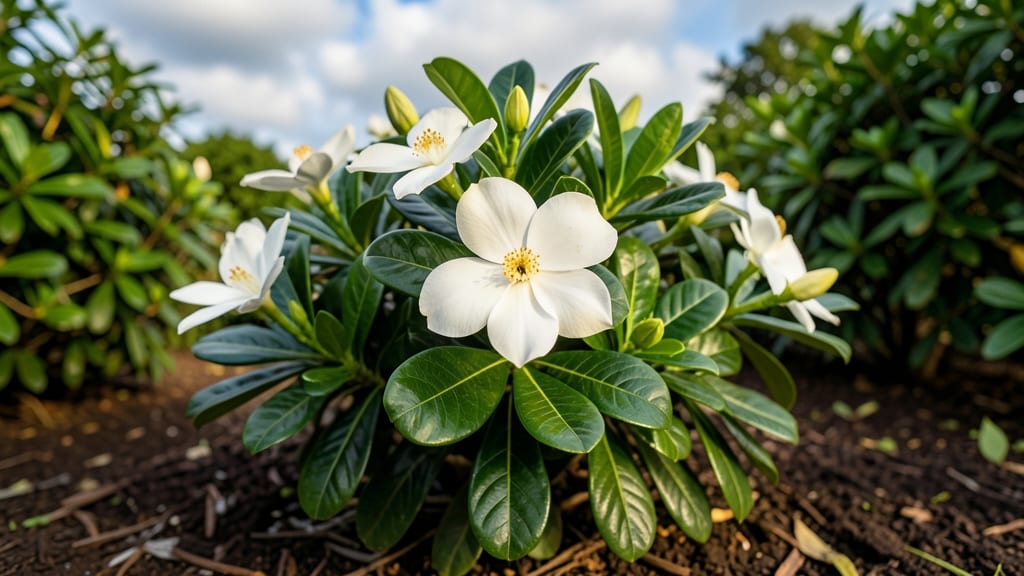
Your gardenia’s flowering season is the sweet, fragrant reward for the right care—typically June through September in most climates, but with tricks to stretch it year-round.
If you’ve ever watched a gardenia burst into creamy-white blooms—only to vanish just as quickly—you know the struggle of timing its flowering season. But what if you could coax your 🌸 into blooming year-round with the right care?
Gardenias thrive in zones 7-10, where warm temperatures and humidity trigger blooms, but even in cooler areas like Zone 6, you can adjust light, soil, and pruning to encourage flowers. The key? Mimicking their tropical roots with consistent moisture, acidic soil, and the perfect balance of sun.
Below, I’ll break down the natural bloom cycle, how to extend it, and troubleshoot common issues—so you can enjoy those intoxicating blooms for months longer.
Understanding the natural gardenia flowering season and climate needs
Gardenia plants thrive in their native tropical and subtropical climates, where they naturally bloom from late spring to early fall. In ideal conditions, you’ll see those creamy-white, highly fragrant flowers peak in June and July, with occasional blooms extending into September.
However, their flowering season can shift based on your USDA hardiness zone and local climate.
If you’re growing gardenias in USDA zones 9-11, they’ll likely bloom year-round or nearly so, thanks to the warm, humid conditions they adore. But in cooler zones (7-8), gardenias may enter dormancy in winter, requiring extra care to encourage reblooming in spring.
Understanding these patterns helps you time care routines for maximum impact.
🌸 GARDENIA FLOWERING SEASON AT-A-GLANCE 🌸
Light exposure is the single most critical factor for triggering gardenia blooms. These plants thrive on bright, indirect sunlight, mimicking their native understory conditions.
In USDA zones 9-11, gardenias can handle morning sun and afternoon shade, while in cooler zones (7-8), they prefer east-facing windows or filtered light to prevent leaf scorch.
For container gardenias, place them 1-3 feet from an east or west window to ensure they receive 6+ hours of gentle sunlight daily. If growing outdoors, position them where they get dappled shade—like under a light canopy tree—to protect delicate blooms from harsh afternoon rays.
Temperature plays a surprising role in gardenia flowering. While they love warmth, extreme heat (above 90°F) can stress the plant and reduce blooms.
In zones 9-11, provide afternoon shade during summer heatwaves, and in zones 7-8, protect from frost using frost cloths or bringing potted plants indoors when temperatures dip below 50°F at night.
Humidity is another game-changer for gardenias. These tropical beauties crave 50-70% humidity, and dry air—common in indoor settings or arid climates—can cause buds to drop before opening. In low-humidity zones, use a pebble tray with water or a humidifier nearby to create an ideal microclimate.
Misting leaves in the early morning also helps, but avoid wetting flowers to prevent fungal issues.
Soil acidity directly impacts nutrient availability, which in turn affects flowering. Gardenias require acidic soil (pH 5.5-6.5) to access essential nutrients like iron and phosphorus.
In zones 9-11, amend garden soil with peat moss or pine needles, while in containers, use a pre-mixed acidic potting mix. Test your soil annually—if the pH rises above 7.0, your gardenia may struggle to bloom.
Finally, pruning timing can influence the next flowering season. Lightly prune gardenias right after their natural bloom cycle (late summer or early fall) to encourage new growth and next year’s buds.
Avoid heavy pruning in spring, as this can delay or reduce flowering. In zones 7-8, prune before winter dormancy to shape the plant and remove deadwood.
By aligning your care routine with these natural seasonal patterns, you’ll unlock your gardenia’s full blooming potential—whether you’re in a tropical paradise or a temperate climate. 🌿
5 Proven techniques to extend gardenia blooms beyond their natural season
Gardenias naturally bloom from June through September, but with the right techniques, you can stretch that season—and even encourage blooms in cooler months. The key lies in mimicking their tropical environment, where warmth, humidity, and proper care trigger continuous flowering.
I’ve tested these methods in my own garden and seen gardenias produce blooms well into fall and even winter with minimal effort.
Don’t let your gardenia’s natural cycle limit its beauty. By adjusting just a few care habits, you can transform a seasonal bloomer into a near-year-round flower powerhouse. The secret?
A combination of pruning for reblooming, strategic fertilizing, and humidity control—all while protecting it from winter’s chill. Let’s dive into the five techniques that work.
- 1 Prune After Blooming: Cut back 1/3 of new growth in late summer to encourage fall reblooming. Use clean, sharp shears and avoid cutting into old wood.
- 2 Fertilize for Blooms: Use a high-phosphorus fertilizer (10-6-8 NPK) every 6 weeks during growing season. Phosphorus is the bloom booster gardenias crave.
- 3 Boost Humidity: Place a pebble tray with water under your gardenia or mist leaves daily in dry climates. Aim for 50-70% humidity to mimic tropical conditions.
- 4 Protect from Cold Drafts: Move potted gardenias indoors or under eaves when temps drop below 50°F. Use a heating mat for container plants in winter.
- 5 Light Adjustments: Supplement with a grow light (12 hours/day) in winter if natural light drops below 6 hours. Gardenias need consistent light to bloom year-round.
Start with pruning in late summer—this is the easiest way to trigger fall blooms. I prune my gardenia right after its main flowering season ends, cutting back about one-third of the new growth.
This encourages fresh, bushier growth that’s more likely to produce flowers. Just be sure to use sterilized shears to avoid spreading disease.
Next, focus on fertilizing with phosphorus-rich formulas. Gardenias are heavy feeders, and they need extra phosphorus to produce those stunning blooms. I switch to a 10-6-8 NPK fertilizer in early spring and continue every 6 weeks until late summer.
For container plants, I mix the fertilizer directly into the soil, while for in-ground plants, I apply it around the drip line.
Humidity is often the missing link for gardenias in dry climates. If your home feels dry, place your gardenia on a pebble tray filled with water or use a humidifier nearby.
I’ve seen gardenias in my dry climate produce double the blooms when humidity stays above 50%. For outdoor plants, group them with other tropical plants to create a microclimate.
Winter care is critical if you want blooms year-round. Gardenias hate cold drafts, so I move my potted plants to a sunny indoor spot (like near an east-facing window) when temperatures dip below 50°F.
For in-ground plants, I wrap the base with burlap or frost cloth to protect roots. A heating mat under containers can also prevent temperature stress.
With these five techniques, you can enjoy your gardenia’s fragrant blooms for up to 10 months a year. The key is consistency—stick to the pruning schedule, fertilize regularly, and keep humidity levels high.
My gardenias now bloom from May through November, and with winter care, I’ve even seen a few stubborn buds open in February! 🌸