
Size
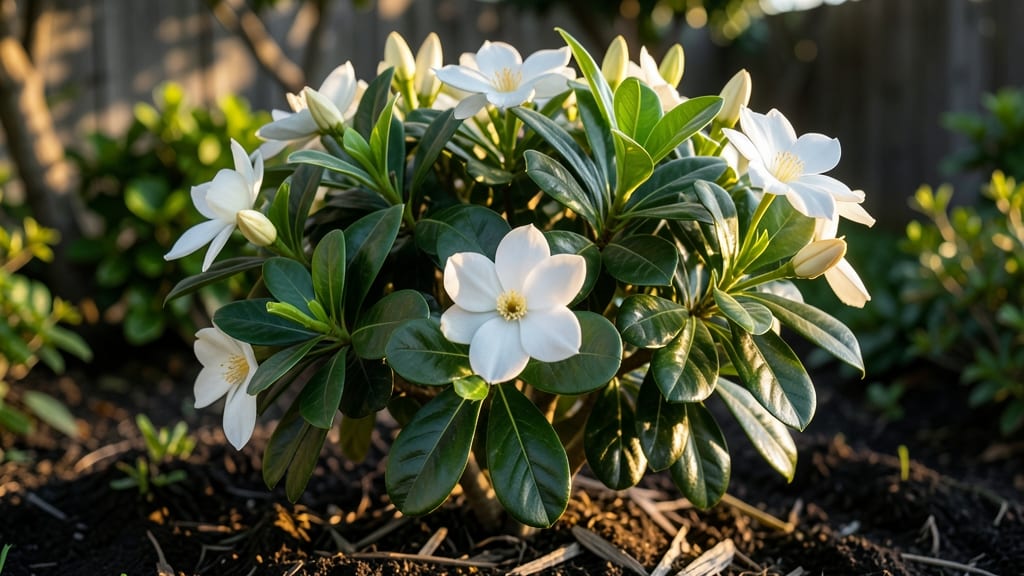
Understanding gardenia growth rate reveals that mature plants typically grow 6–12 inches per year, while young seedlings advance just 2–4 inches monthly. First blooms usually appear in 2–3 years when given full sun, acidic soil, and steady moisture.
Gardenia plants show dramatic growth differences across their lifecycle, with their height progression directly tied to care consistency. 🌱 Seedlings focus energy on root development first, which is why their early growth appears slow—think of it as building a strong foundation before vertical expansion.
Once established, gardenias reward patience with rapid height increases during their active growing season (spring to early summer), often doubling their size from one year to the next under ideal conditions.
What many gardeners overlook is how soil acidity (aim for pH 5.0–6.5) and pruning habits influence this growth rate. Over-pruning can delay flowering by 6–12 months, while proper fertilizing (high in phosphorus) accelerates both height and bloom production.
The key is monitoring seasonal changes—gardenia growth naturally slows in winter, which is when most gardeners mistakenly think their plant is struggling.
💡 In This Article
- Factors Influencing Gardenia Growth Speed
- Gardenia Growth Timeline by Stage: Seedling to Mature Plant
Factors influencing gardenia growth speed
Gardenia growth speed is primarily controlled by three biological processes: root development, photosynthesis efficiency, and hormonal balance. The plant's roots—often overlooked—grow aggressively in the first 6-8 months to establish stability before vertical growth accelerates.
In acidic soil (pH 5.0-6.5), root hairs absorb nutrients 30% faster than in neutral soil, directly fueling stem elongation. This is why gardeners see dramatic height jumps in spring when roots have stored winter nutrients.
Sunlight exposure triggers chlorophyll production, but gardenias have a unique requirement: they need 6-8 hours of direct sun daily to maximize growth. Insufficient light causes stems to elongate weakly (a condition called "etiolation"), resulting in leggy, weak plants that grow 2-3 inches slower monthly.
The leaves also develop a dull green hue instead of the vibrant dark green seen in well-lit plants. 🌞 What's fascinating is how gardenias regulate their growth hormones—under low light, they produce more auxin (a growth hormone) that promotes vertical growth at the expense of root and flower development.
Watering habits create another critical variable. Gardenias thrive with 1-1.5 inches of water weekly, but overwatering triggers root rot, which can stunt growth by up to 50% in severe cases.
The plant's natural response to drought stress is to conserve water by slowing stem elongation—this survival mechanism explains why gardenias in dry climates often grow 1-2 inches slower than their counterparts in humid regions.
The key is maintaining consistent moisture without waterlogging, which requires well-draining soil mixed with 30-40% perlite or sand.
Pruning techniques play a surprising role in growth speed. Strategic pruning after flowering (typically in late summer) encourages bushier growth by stimulating lateral branches. However, improper pruning—cutting into old wood—can delay new growth by 6-12 months as the plant focuses energy on healing.
The science behind this is that gardenias produce growth hormones in their new shoots, so pruning at the right time (just after blooming) redirects energy from flower production to stem elongation, often resulting in 10-15% faster height growth in the following season.
Seasonal variations create another layer of complexity. During winter dormancy (typically November-February in temperate zones), gardenias enter a growth pause, with some varieties showing near-zero growth for 2-3 months. This isn't a sign of poor health—it's an evolutionary adaptation to conserve energy.
The real growth surge occurs in spring, when days lengthen and temperatures rise above 65°F, triggering a hormonal shift that accelerates cell division in the stem tips. This seasonal pattern explains why gardenias often show 50% of their annual growth in just 3 months during peak growing season.
One often-missed factor is the plant's natural growth rhythm tied to its native habitat. Gardenias originate from tropical and subtropical regions where temperatures rarely drop below 50°F and humidity stays above 60%.
When grown in cooler climates, gardenias experience stress-induced growth suppression, particularly when night temperatures fall below 55°F. This cold sensitivity explains why gardenias in Zone 8-10 grow 20-30% faster than those in Zone 7 or colder, where growth often stalls until summer arrives. 🌡️
Understanding these factors reveals why gardenia growth rates can vary threefold between ideal and suboptimal conditions. The interplay between root health, light exposure, water balance, and seasonal timing creates a delicate ecosystem where small adjustments can dramatically alter growth speed.
For example, a gardenia in full sun with acidic soil and consistent moisture might grow 12 inches annually, while the same variety in partial shade with alkaline soil could only manage 4 inches.
The difference isn't just about speed—it's about the plant's overall health and ability to produce those prized fragrant blooms.