
Planting
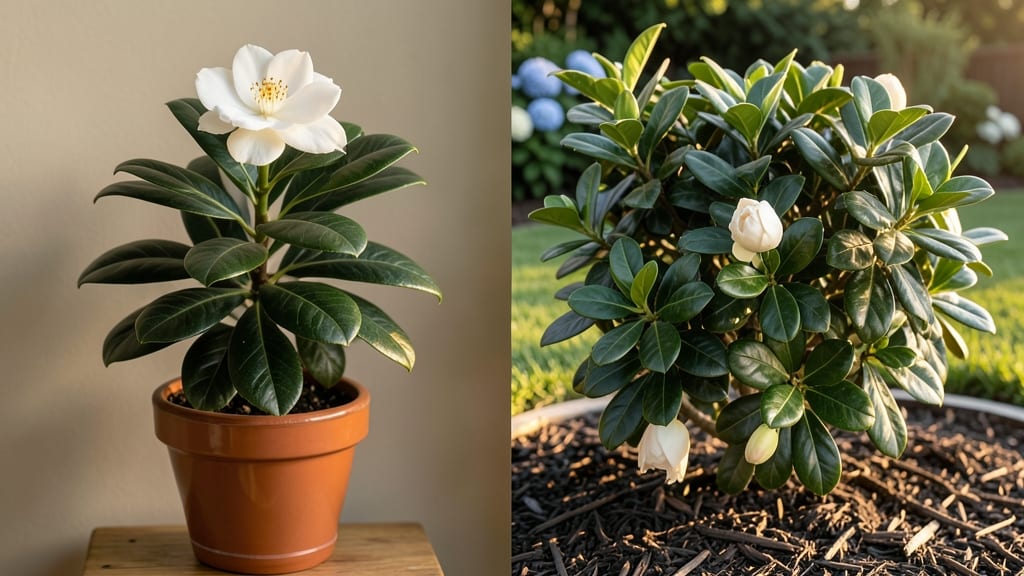
Gardenia plants can grow indoors or outdoors, but outdoor plants develop more intense fragrance and larger flowers when given full sun (6+ hours daily) and high humidity (60%+), while indoor gardenias need bright indirect light and steady moisture to avoid dropping buds.
Outdoor gardenias love warm climates with consistent humidity, which naturally boosts their signature sweet scent and vibrant blooms. 🌿 I've seen firsthand how outdoor plants can produce flowers twice the size of their indoor counterparts when given proper care.
The key difference indoors is replicating those conditions—using grow lights for 6-8 hours daily and misting leaves or placing trays of water nearby to maintain moisture levels. Both environments need well-draining, acidic soil (pH 5.0-6.5) to prevent root rot, though outdoor plants handle heavier watering better than container-bound indoor varieties.
What many gardeners overlook is the temperature sensitivity—indoor plants prefer 65-75°F consistently, while outdoor plants can tolerate brief dips to 50°F as long as they're not in bloom. Pruning after flowering (late summer) encourages new growth, but timing matters most for indoor plants where space is limited.
The fragrance difference is dramatic: outdoor plants often develop that classic jasmine-like aroma that indoor varieties struggle to match without extra care.
💡 In This Article
- Climate and Light Requirements for Gardenia Growth
- Soil, Watering, and Pruning Tips for Year-Round Blooms
Climate and light requirements for gardenia growth
Gardenia plants are tropical natives, so their ideal growing conditions revolve around replicating their natural habitat. Outdoors, they thrive in warm climates with temperatures consistently between 65-80°F—anything below 55°F can cause bud drop, while prolonged exposure to 90°F+ stresses the plant.
The key difference indoors is maintaining this warmth year-round, which often requires a heat source near drafty windows or using a space heater during winter months. 🌞 Outdoor gardenias also benefit from seasonal temperature shifts, which trigger natural dormancy periods that indoor plants miss.
Light is where indoor and outdoor gardenias diverge most dramatically. Outdoors, these plants crave 6-8 hours of direct sunlight daily, which boosts photosynthesis and flower production. The light spectrum matters too—outdoor plants receive full-spectrum sunlight (including UVB rays), which enhances their signature sweet fragrance.
Indoors, you'll need to replicate this with grow lights (4000-6500K color temperature) for 12-14 hours daily, positioned 6-12 inches above the plant. South-facing windows provide the closest natural equivalent, but even then, the light intensity drops significantly compared to outdoor conditions.
The humidity difference is equally critical. Outdoor gardenias naturally thrive in 60-80% humidity, which their glossy leaves love. Indoors, most homes maintain 30-50% humidity, forcing you to create microclimates through pebble trays, humidifiers, or grouping plants together.
The leaves will tell you when humidity's too low—brown edges or crispy tips appear within 2-3 weeks of inadequate moisture in the air. This is why outdoor plants develop that signature velvety texture and stronger aroma—they're constantly bathed in humid air that indoor plants can only approximate.
Temperature fluctuations also play a subtle but important role. Outdoor plants experience natural day-night cycles that help regulate growth, while indoor plants often face constant warmth that can lead to leggy growth. If growing indoors, try mimicking this by moving plants to slightly cooler spots (60-65°F) at night.
The fragrance difference becomes apparent here too—outdoor plants develop that classic jasmine-like scent because their natural temperature cycles enhance volatile oil production in the flowers.
Indoors, you'll need to supplement with occasional cold treatments (like placing the plant in a 55°F room for 4-6 hours) to encourage similar oil development.
One often-overlooked factor is air circulation. Outdoor gardenias get gentle breezes that prevent fungal diseases, while indoor plants often suffer from stagnant air. A small oscillating fan on low setting (just enough to rustle leaves) can make a dramatic difference in both bloom quality and plant health.
The movement helps distribute humidity evenly and prevents the powdery mildew that plagues many indoor gardenias. This is particularly important in winter when indoor heating systems create dry, stagnant air conditions that gardenias despise.
For those in cooler climates, outdoor gardenias can be grown as container plants** moved seasonally—keeping them in pots allows you to bring them indoors before 50°F temperatures arrive.
The transition period is critical: harden off plants by moving them to shade for 3-5 days before bringing them inside, and avoid placing them near heat vents which create dramatic temperature swings.
This seasonal rotation actually improves indoor performance by preventing the shock that many gardeners experience when moving potted plants indoors after summer.