
Advice
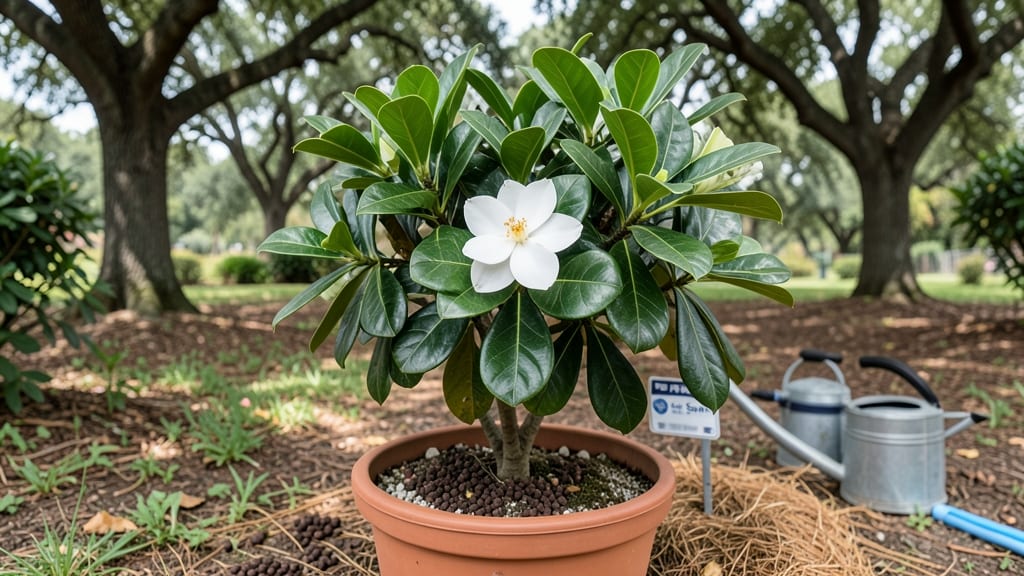
Gardenia plants are not pet-safe—their leaves, flowers, and stems contain toxic compounds like saponins and gardenin that can cause vomiting, diarrhea, and oral irritation in pets if ingested. Keep them out of reach of cats, dogs, and small animals.
Gardenia plants pose serious risks to pets because their toxic compounds disrupt digestive systems and can even affect the nervous system. 🐾 Even small amounts of chewed leaves or ingested pollen may trigger drooling, lethargy, or loss of appetite in animals.
The severity depends on the pet's size—larger dogs might show milder symptoms, while cats or small pets could experience more pronounced reactions. I always recommend removing gardenias from homes with curious pets or opting for safer alternatives like spider plants or roses.
If you suspect your pet has ingested gardenia, contact your vet immediately. Monitoring for symptoms like vomiting or weakness is critical, as prompt treatment can prevent complications. The ASPCA lists gardenia as toxic, so it's worth double-checking any new plants before bringing them indoors.
💡 In This Article
- Toxic Compounds in Gardenias and Their Effects on Pets
- Safe Alternatives to Gardenias for Pet-Friendly Gardens
Toxic compounds in gardenias and their effects on pets
Gardenia plants contain two primary toxins that pose risks to pets: saponins and gardenin. Saponins create soapy-tasting compounds that irritate the mouth and gastrointestinal tract, while gardenin—a glycoside—disrupts cellular function when metabolized.
These compounds are concentrated in the leaves and stems, but even pollen from the flowers can cause reactions when ingested. The plant's waxy coating also makes it appealing to pets, increasing the risk of accidental consumption.
The severity of symptoms depends on the amount ingested and the pet's size. A 10-pound cat consuming even 1-2 leaves might experience mild drooling and vomiting, while a 50-pound dog could handle slightly larger quantities before showing signs.
Neurological effects like lethargy or tremors can occur in severe cases, particularly with repeated exposure. The ASPCA's toxicology database classifies gardenia as a moderate toxicity level plant, meaning it requires veterinary attention if ingested.
Saponins work by creating foam in the digestive tract, which triggers vomiting as the body's natural response to clear irritants. Gardenin, on the other hand, interferes with cellular respiration, potentially leading to weakness or collapse in extreme cases.
The combination of these compounds makes gardenias particularly dangerous compared to plants that contain only one type of toxin. 💛 For example, lilies contain only calcium oxalate crystals, while gardenias' dual-toxin system creates a more complex reaction in pets.
Visual cues can help pet owners identify potential risks. Gardenias have glossy, dark green leaves with white, fragrant flowers that often attract curious pets. The plant's height—typically 3-6 feet—means leaves are often within reach of cats and small dogs.
Even if your pet doesn't eat the plant, simply brushing against gardenia stems can transfer pollen to their fur, which they might later ingest while grooming.
Age and health status also play crucial roles in how pets react. Puppies, kittens, and senior pets with compromised immune systems are at higher risk for severe reactions. Their smaller body size means even minimal exposure can have disproportionate effects.
For instance, a 2-month-old kitten might show symptoms from ingesting just half a leaf, while an adult cat could tolerate slightly more before showing signs of distress.
If you notice your pet chewing gardenia leaves or flowers, act immediately. Rinse their mouth with water and contact your veterinarian or a pet poison hotline like the ASPCA Poison Control Center (888-426-4435).
Early intervention can prevent complications, as some pets may develop secondary issues like dehydration from prolonged vomiting. 🐾 Always keep gardenias—and any other toxic plants—completely inaccessible to pets to prevent accidental exposure.