
Planting
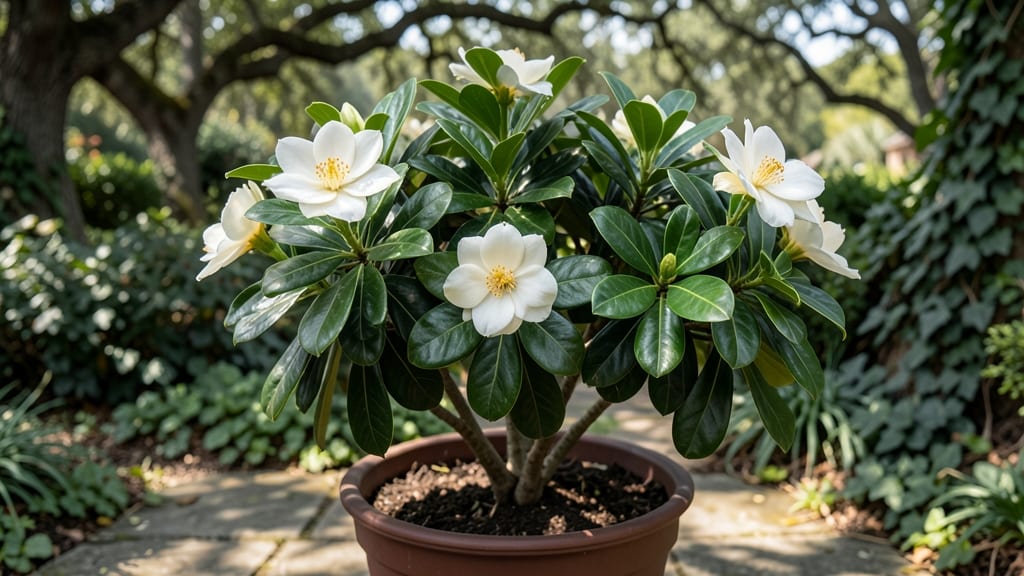
For gardening in Zone 5, gardenia plants need cold-hardy varieties like Gardenia jasminoides 'Kleim’s Hardy' or 'Radicans,' which can withstand temperatures as low as 10°F (-12°C) when properly mulched and sheltered. Protecting them from harsh winds and preventing winter waterlogging is essential for their survival.
Cold-hardy gardenias are specifically bred to handle Zone 5's unpredictable winters, where temperatures can plunge dramatically. 🌬️ The key to their success lies in their deep root systems, which store nutrients and moisture to sustain the plant through frost.
Unlike tropical gardenias, these varieties bloom later in the season, avoiding early spring frosts that could damage new growth. I've found that combining winter mulch with a protective burlap wrap around the plant creates a microclimate that mimics their native subtropical conditions.
What sets these varieties apart is their ability to rebound quickly in spring, often producing fragrant blooms within weeks of the last frost. The trade-off? They may require slightly more attention to soil pH and consistent moisture during the growing season compared to their tropical cousins.
For best results, I recommend planting them in well-draining soil with afternoon shade during summer's heat.
💡 In This Article
- Cold-Hardy Gardenia Varieties for Zone 5 Climates
- Winter Care Checklist for Zone 5 Gardenias
Cold-hardy gardenia varieties for Zone 5 climates
Cold-hardy gardenias like Gardenia jasminoides 'Kleim’s Hardy' and Gardenia radicans have evolved unique adaptations to survive Zone 5 winters. Their deep, fibrous root systems extend 2-3 feet below the soil, creating a natural insulation layer that protects against temperature fluctuations.
These roots also store carbohydrates during summer growth, which the plant metabolizes slowly through winter to sustain vital functions. 🌱 Unlike tropical gardenias that die back to the ground in cold climates, these varieties maintain some above-ground growth, allowing them to rebound faster in spring.
The key genetic difference lies in their leaf structure. Cold-hardy gardenias develop thicker, waxier leaves with a higher cuticle layer that reduces water loss and prevents frost damage.
For example, 'Radicans' has leaves that are 20-30% thicker than tropical varieties, with a waxy coating that reflects sunlight and reduces heat absorption during winter. This adaptation is similar to how evergreen trees survive cold climates.
Another advantage is their delayed blooming cycle—these varieties typically bloom in late June to August, avoiding the dangerous early spring frosts that can destroy new growth.
Growth habits also differ significantly. Cold-hardy gardenias grow more compactly, reaching 3-5 feet in height and width, compared to tropical varieties that can sprawl up to 8 feet. This compact form makes them easier to protect during winter with simple techniques like burlap wraps or low walls.
Their branches are also more flexible, able to bend under snow load without breaking—something tropical gardenias cannot handle. The trade-off is slightly smaller flowers, but the fragrance remains just as intense, often described as a cross between jasmine and gardenia.
When selecting varieties, consider your specific microclimate. In colder parts of Zone 5 (like 10°F (-12°C) areas), 'Kleim’s Hardy' excels due to its extra-hardy roots. For slightly milder zones (15°F (-9°C)), 'Radicans' offers better disease resistance.
Both varieties benefit from planting in slightly acidic soil (pH 5.0-6.5), which mimics their native subtropical conditions while still allowing them to tolerate the colder winters. The right variety can mean the difference between a plant that struggles and one that thrives through your first Zone 5 winter.
What most gardeners don't realize is how these varieties' growth patterns actually work in their favor. Their delayed blooming means they miss the late spring frosts that often kill tropical gardenias. Instead, they produce their most vibrant flowers during summer's warmest months, when the plants are at peak health.
This timing also coincides with pollinators' peak activity, increasing the chances of successful fertilization and next year's blooms. 🌸 The result is a gardenia that not only survives winter but often outperforms tropical varieties in terms of fragrance and bloom quantity.