
Light Requirements
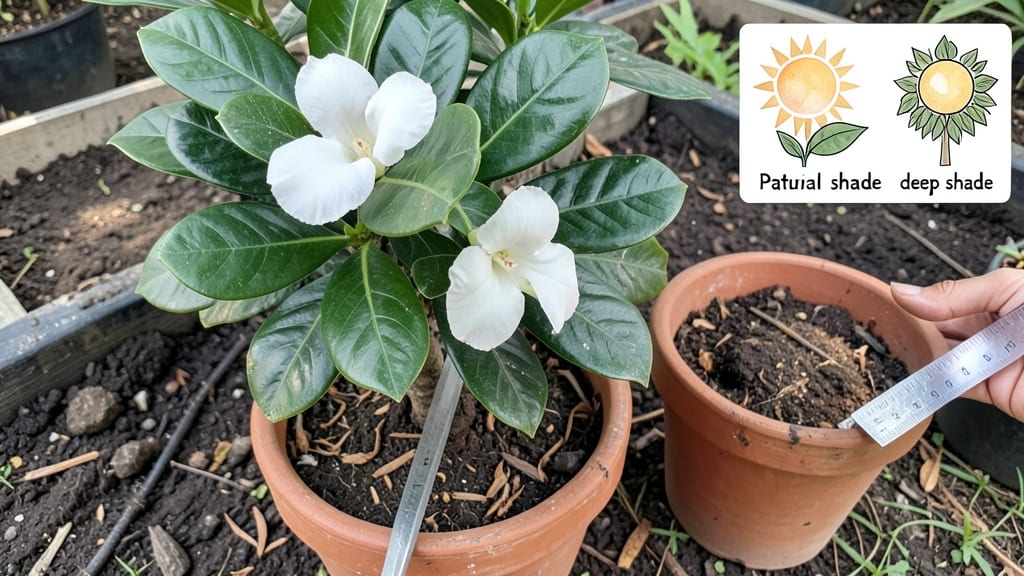
Gardenia sunlight requirements are all about finding that sweet spot between too much and too little—too much scorches the leaves, while too little leaves you with sparse blooms and leggy stems.
Struggling to keep your gardenia blooming? The secret might be simpler than you think—sunlight exposure plays a critical role in their health, yet most gardeners get it wrong. Discover the exact sunlight requirements that transform struggling gardenias into fragrant, flower-filled stars.
These 🌸 delicate shrubs thrive in partial shade, needing just 4-6 hours of morning sun paired with afternoon shade to protect their glossy leaves. Too much direct sun can cause leaf burn, while insufficient light weakens growth and reduces those coveted white blooms.
Below, I’ll break down how to position your gardenia for success, adjust exposure by season, and spot the warning signs when sunlight is off—so you can enjoy lush, fragrant gardenias year after year.


How many hours of sunlight do gardenias need for optimal growth?
Gardenias thrive in bright, indirect light with partial shade, but getting the balance right can feel tricky. These tropical beauties need 4-6 hours of morning sun daily, but too much afternoon sun can scorch their delicate leaves.
Understanding their sunlight needs by growth stage—whether you're nurturing a seedling or a mature shrub—is the key to keeping them blooming year after year.
The ideal sunlight exposure varies based on your climate. In temperate zones, gardenias do best with dappled shade from trees or a morning sun spot. Meanwhile, in tropical climates, they can tolerate slightly more direct light, especially if they're acclimated gradually.
The trick is to mimic their natural understory habitat, where they receive filtered sunlight without harsh afternoon rays.
| Growth Stage | Sunlight Needs | Regional Adaptation | Warning Signs |
|---|---|---|---|
| Seedlings | 2-3 hours indirect light | Temperate: East-facing window; Tropical: Light shade cloth | Leggy stems, pale leaves |
| Mature Plants | 4-6 hours morning sun | Temperate: Partial shade; Tropical: Dappled sunlight | Brown leaf edges, leaf drop |
| Flowering Stage | Bright indirect light (no direct sun) | All regions: East or north exposure | Fewer blooms, bud drop |
To measure sunlight exposure accurately, use the sunlight intensity scale. Gardenias prefer a 40-60% sunlight intensity, which translates to dappled shade or morning sun. Install a sunlight meter or observe your garden throughout the day.
Note when shadows move and adjust your gardenia’s position accordingly. For example, a spot under a deciduous tree provides perfect conditions, as the leaves filter harsh afternoon rays during summer.
In temperate climates, gardenias often struggle with afternoon sun during summer months. If you notice yellowing leaves or crispy edges, it’s a sign of sunburn. Move your plant to a shadier spot immediately.
Conversely, if your gardenia isn’t blooming, it might be getting too little light. Gradually increase exposure by a few hours each week to avoid shocking the plant.
For indoor gardenias, place them near an east-facing window where they receive soft morning light. If natural light is insufficient, supplement with a grow light for 6-8 hours daily. Avoid placing them in south-facing windows, where direct sun can cause leaf scorch.
Rotate the pot every few weeks to ensure even growth and prevent the plant from leaning toward the light source.
Seasonal adjustments are crucial. In spring and fall, gardenias can handle slightly more direct sunlight, while in summer, they need extra protection from intense rays. Use a lightweight shade cloth (30-50% shade) if your gardenia is exposed to harsh afternoon sun.
In winter, reduce watering but keep them in the brightest spot available to maintain their energy for the next blooming season.
Watch for subtle signs of sunlight stress. Wilting leaves or drooping flowers often indicate underwatering combined with insufficient light. On the other hand, brown patches or leathery leaves are clear signals of too much sun.
Prune affected leaves to encourage new growth and adjust the plant’s position accordingly. With the right balance, your gardenia will reward you with abundant, fragrant blooms all season long.
Pro tip: If you’re unsure about your garden’s sunlight conditions, conduct a simple test. Place a white piece of paper near your gardenia for a few hours. If the paper shows clear shadows with some soft light filtering through, it’s likely the perfect spot for your gardenia.
This method helps you visualize how light behaves in your space without needing specialized tools.
Remember, gardenias are not low-light plants, but they hate intense afternoon sun. The goal is to create a gentle, consistent light environment that mimics their natural habitat.
With these sunlight guidelines, you’ll be well on your way to growing a thriving, blooming gardenia that fills your garden with its intoxicating fragrance.
Best practices for positioning gardenias in partial shade gardens
Positioning your gardenia correctly in partial shade can mean the difference between lush blooms and sparse foliage. These tropical beauties thrive in bright, indirect light, but their exact needs depend on your local climate and garden layout.
I’ve found that even a few hours of direct afternoon sun can scorch delicate leaves, while too little light stunts growth.
Start by identifying spots that receive morning sun and afternoon shade. East-facing windows or areas under dappled tree canopies are ideal—they provide gentle light without harsh midday rays.
If your garden lacks natural shade, consider installing light-colored reflective surfaces like mulch or gravel to bounce extra light onto the plant.
Here’s a quick comparison to help you decide between morning and afternoon shade:
- ✅ Gentle light
- ✅ Less heat stress
- ✅ Better for blooms
- ✅ Protects from intense sun
- ✅ Reduces leaf scorch
- ❌ May limit photosynthesis
Humid climates
Dry or hot areas
Adjust your gardenia’s exposure seasonally—in summer, move it to a spot with more shade (like under a patio awning), while winter’s milder light lets you shift it closer to south-facing windows for extra brightness.
I’ve also seen gardeners use sheer fabric screens to filter harsh light during peak sun hours.
For container gardenias, place them near east-facing windows where they’ll receive 4-6 hours of morning light. If your home lacks ideal windows, a south-facing balcony with afternoon shade (like a lattice screen) works too. Just avoid placing them in deep shade—they’ll grow leggy and fail to bloom.
Pro tip: Observe your gardenia’s leaves for clues. If they’re yellowing or crispy, it’s getting too much sun. If growth slows and buds drop, it needs more light. With the right spot, your gardenia will reward you with fragrant blooms all season.
🌿