
Planting
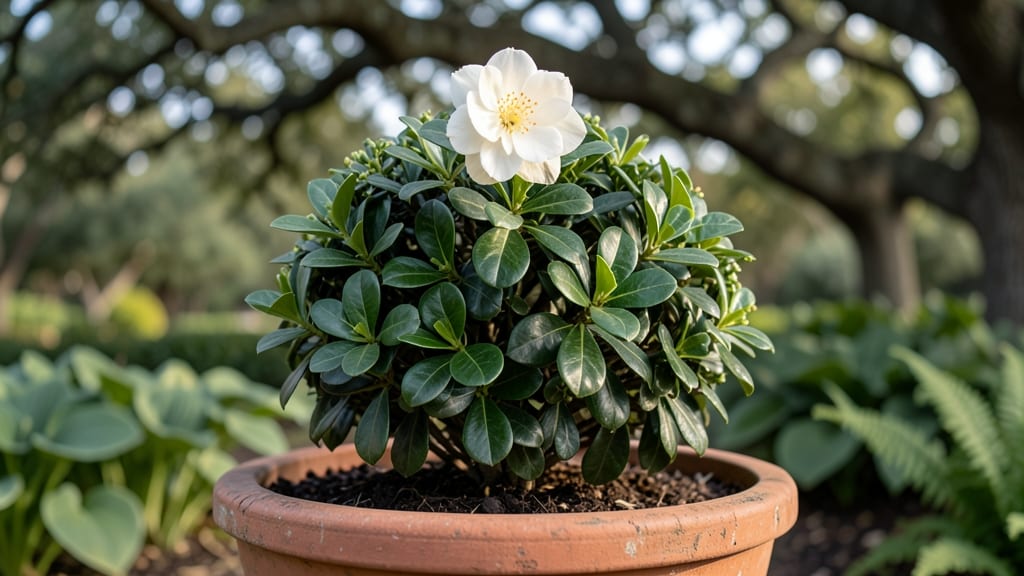
A gardenia topiary plant thrives with careful shaping through late winter or early spring pruning, where you trim just above leaf nodes to maintain its elegant form. Regular dead bloom removal and balanced fertilization keep the plant lush, fragrant, and blooming consistently throughout the year.
Gardenia topiary plants reward patience with their glossy leaves and intoxicating blooms, but their sculpted beauty starts with smart pruning. 🌿 The key is timing—late winter or early spring lets you shape the plant before new growth begins, while avoiding the blooming season prevents cutting off potential flowers.
I always use sterilized shears to make clean cuts at a 45-degree angle above leaf nodes, which encourages stronger regrowth. Light, balanced fertilization (like a 10-10-10 mix) every 6-8 weeks keeps the plant healthy without overstimulating leafy growth at the expense of flowers.
What sets gardenia topiary apart is its dual focus: maintaining shape and encouraging blooms. Unlike some topiary plants that prioritize foliage, gardenias need a delicate balance—too much pruning can reduce flowering.
I recommend starting with a loose, natural form if you're new to topiary, then gradually refining the shape over multiple seasons. Regular deadheading (removing spent blooms) also signals the plant to produce more flowers, while mulching helps retain moisture in their tropical roots.
💡 In This Article
- When and How to Prune Gardenia Topiary for Optimal Growth
- Step-by-Step Guide to Shaping Gardenia Topiary Like a Pro
When and how to prune gardenia topiary for optimal growth
Gardenia topiary plants follow a natural growth cycle where late winter or early spring (just as buds begin to swell) is the ideal time to prune. This timing aligns with the plant's dormancy period, allowing it to redirect energy toward new growth rather than recovering from stress.
The science behind this involves the plant's hormonal response: pruning stimulates the production of auxin, a growth hormone that promotes cell elongation and branching. Cutting at this stage ensures the plant has 6-8 weeks before summer heat to establish new leaves and buds for the blooming season.
When shaping, always cut just above a leaf node (the bump where leaves and branches meet) at a 45-degree angle. This angle prevents water from pooling on the cut, reducing rot risk.
The node contains dormant buds that will grow into new shoots—preserving these nodes is critical for maintaining density. For example, if you're creating a formal spherical shape, make incremental cuts of about 1/3 of the branch length each year to avoid over-pruning.
Gardenias respond poorly to drastic cuts, which can lead to sparse foliage and fewer blooms.
Seasonal care plays a vital role in sustaining growth. After pruning, apply a light layer of mulch (2-3 inches) to retain moisture and regulate soil temperature, which is especially important in hot climates where gardenias thrive.
Fertilize with a balanced, acidic fertilizer (like 8-3-9 with micronutrients) every 6-8 weeks during the growing season, but reduce feeding in late summer to prepare the plant for dormancy. Over-fertilizing can lead to excessive leaf growth at the expense of flowers, which is a common mistake with gardenia topiary.
Deadheading (removing spent blooms) is another key technique to encourage continuous flowering. The plant's energy is naturally drawn to seed production after blooming, so pinching off faded flowers redirects this energy toward new buds.
Use clean, sharp shears to avoid damaging the stem, and always cut back to a leaf node. This method can extend the blooming season by 4-6 weeks compared to unpruned plants.
The fragrant, creamy-white blooms are a reward for this careful maintenance—each flower can last 7-10 days on the plant when properly cared for.
Understanding the plant's growth habits helps avoid common pitfalls. Gardenias grow at a moderate rate of 6-12 inches per year, so patience is key when shaping. For instance, a young gardenia topiary might take 2-3 years to reach a mature, dense form if pruned conservatively.
Additionally, gardenias are sensitive to cold drafts and temperature fluctuations, so pruning in sheltered areas (like a patio covered with a frost cloth) can prevent shock.
The goal is to mimic the plant's natural growth patterns while guiding its form—think of it as sculpting with living material that responds to your cuts.
One advanced technique is "selective thinning," where you remove entire branches to open up the center of the topiary and improve air circulation. This reduces humidity-related issues like powdery mildew, which can affect gardenias in humid climates.
For example, if your topiary is growing too dense, target branches that are growing inward or crossing others. Always step back to assess the shape—gardenia topiary should look full but not crowded, with a natural taper from base to top. 🌸