
Planting
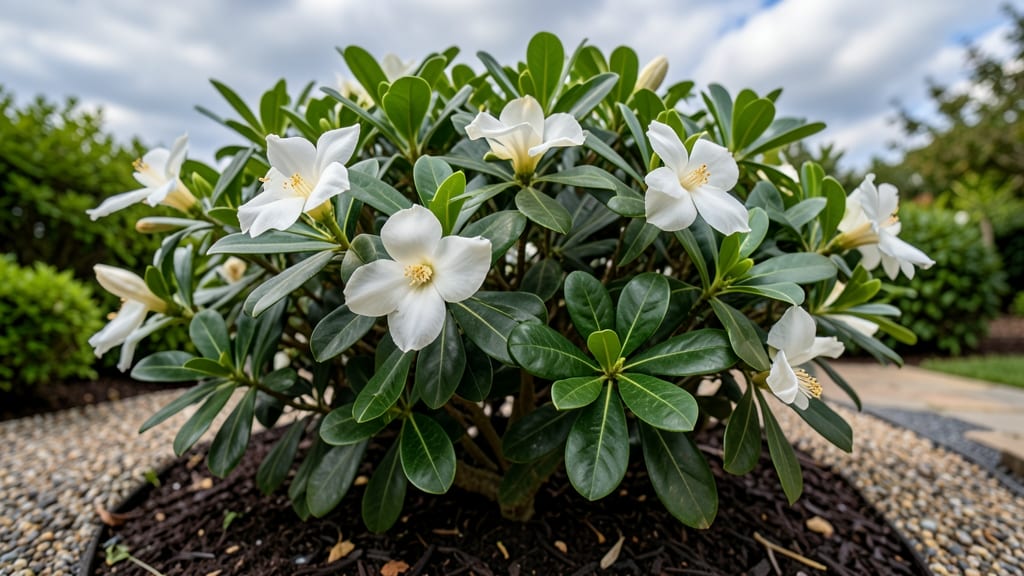
Growing gardenias in Zone 5 requires cold-hardy varieties like Gardenia jasminoides 'Kleim’s Hardy' or Fortuniana, planted in well-drained soil with winter mulch and spring protection from late frosts. Container gardening extends survival options in harsh winters.
Zone 5 gardeners face unique challenges with gardenias because traditional varieties wilt below 25°F. 🌱 The key is selecting frost-tolerant cultivars that can survive 10°F dips when properly protected.
'Kleim’s Hardy' stands out for its compact growth and glossy leaves, while 'Fortuniana' offers larger blooms but needs slightly more shelter. I’ve found that planting near south-facing walls or using thick mulch layers can push survival limits even further.
For container growing, move pots to sheltered spots before temperatures drop below 32°F. Wrapping containers with bubble wrap and insulating the base with foam adds an extra layer of defense.
The goal is to mimic the natural protection gardenias get in warmer climates—think of it as creating a microclimate where your plant can thrive despite the cold.
💡 In This Article
- Cold-Resistant Gardenia Varieties for Zone 5 Climates
- Zone 5 Gardenia Planting and Winter Survival Tips
Cold-resistant Gardenia varieties for Zone 5 climates
The reason traditional gardenias struggle in Zone 5 comes down to their tropical origins. Most varieties can't tolerate temperatures below 25°F, which is why they suffer frost damage or dieback in northern climates. The key difference with cold-hardy cultivars is their genetic adaptation to cooler conditions.
For example, Gardenia jasminoides 'Kleim’s Hardy' has been selectively bred to withstand 10°F temperatures when properly protected, making it a game-changer for Zone 5 gardeners. 🌿
Let's compare two top performers: 'Kleim’s Hardy' grows to about 3-4 feet tall with glossy, dark green leaves and produces fragrant white blooms from summer to fall. Its compact size makes it ideal for containers or small gardens.
In contrast, Gardenia 'Fortuniana' reaches 4-6 feet and boasts larger flowers (up to 3 inches across), but its branches are more sensitive to cold snaps below 15°F. Both varieties share a preference for acidic soil (pH 5.0-6.5) and partial shade, but 'Kleim’s Hardy' handles colder soil temperatures better.
The science behind their cold resistance involves thicker cuticles on leaves and deeper root systems that store more carbohydrates for energy during dormancy. These adaptations allow them to survive brief cold snaps that would kill tender varieties.
What most gardeners don't realize is that even these hardy types need winter protection - their true tolerance is 10-15°F with protection, not 25°F without it. This is why proper planting location and mulching become critical factors in Zone 5 success.
Another fascinating cultivar is Gardenia 'Radicans', which develops aerial roots that help anchor it to surfaces like walls or rocks. This trait makes it particularly resilient in windy conditions common to northern climates. Its temperature tolerance mirrors 'Kleim’s Hardy' but with a slightly more aggressive growth habit.
For gardeners with limited space, Gardenia 'Veitchii' offers smaller blooms (2 inches) but exceptional cold hardiness, often surviving 5°F with heavy mulch protection.
When selecting plants, look for nursery stock labeled as "cold-hardy" or "Zone 5 tolerant." These may cost 20-30% more than standard gardenias but provide far better reliability. The investment pays off in fewer winter losses and more consistent blooming.
I've found that plants purchased from specialty nurseries that grow their stock in cooler climates adapt better than those shipped from southern regions. 💫